

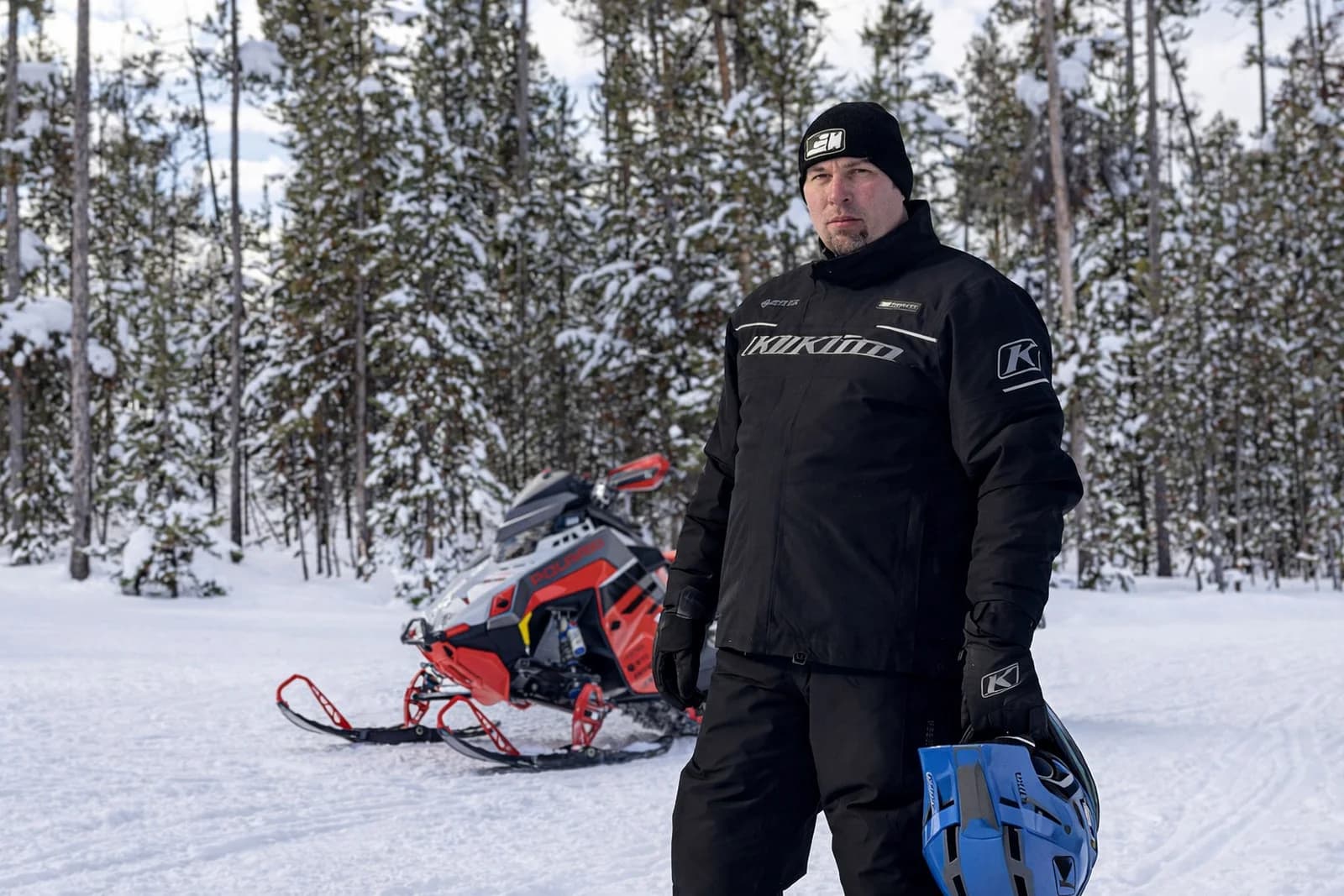

Over the past few years, a clear trend has emerged in my snowmobile riding apparel: putting KLIM gear to the test, a brand recognized for its performance in extreme winter conditions. Always keeping an eye on the latest trends in snowmobile clothing and paying attention to what other manufacturers offer, I remain open to innovation. However, for a third consecutive season, I have chosen to trust KLIM for my winter rides. For the 2026 snowmobile season, it’s a first: I will be wearing the KLIM Kaos setup, a model designed to deliver cold protection, weather resistance, and optimal comfort during trail rides.
Why I Choose KLIM Gear for Trail Snowmobiling
In recent seasons, I wore the Keweenaw and Rift. As a trail snowmobiler, warmth and insulation in snowmobile clothing remain my absolute priority. During long winter rides, nothing is more uncomfortable than feeling the intense cold of a Quebec winter. That is why I place great importance on the thermal insulation rating offered by any riding setup.
Based on my experience, a trail snowmobile jacket should offer a minimum of 200 g of insulation to ensure optimal thermal comfort. Below that threshold, adding quality insulating base layers becomes essential to achieve adequate cold protection. This approach explains why several fellow snowmobilers regularly consult me to learn about my experience with KLIM gear, especially during their first seasons with the brand.
KLIM Kaos Jacket: Thermal Insulation and 2026 Updates
This season, the KLIM Kaos jacket is about to face its most important test: real-world trail conditions and my own riding environment. Although I haven’t tried it yet, I’m looking first at the improvements to the previous version, which seem tailored for long-term snowmobile trail use.
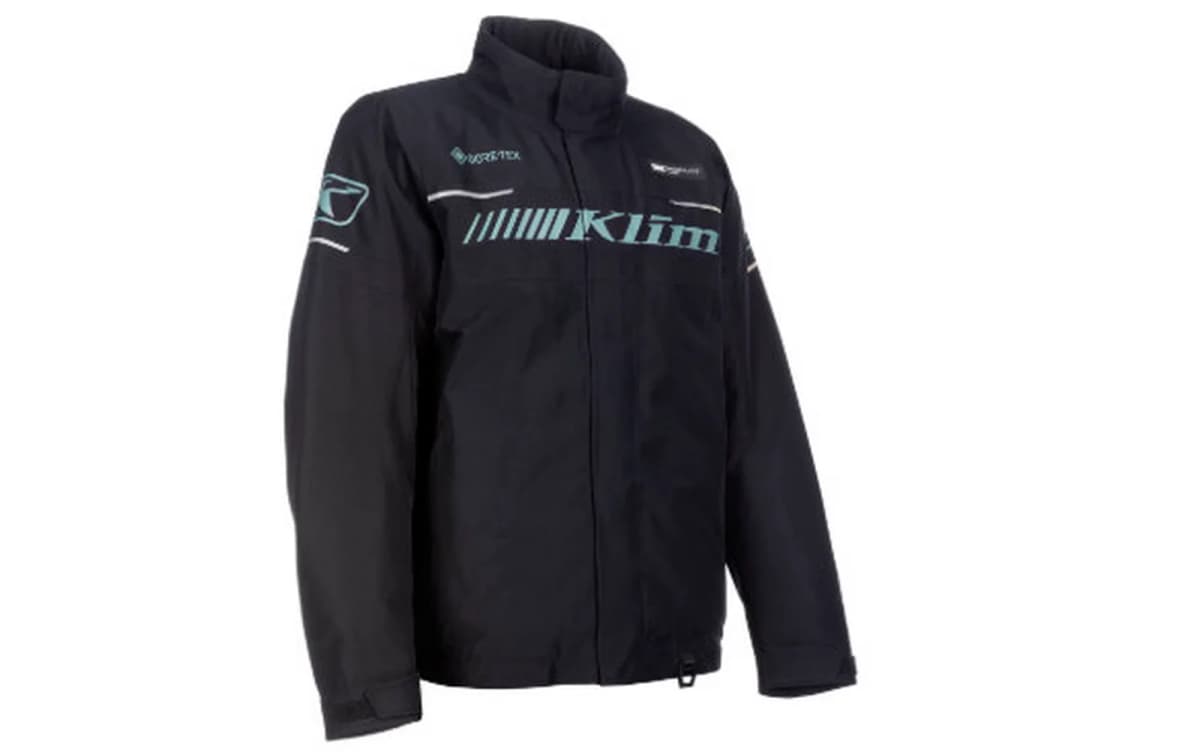
On paper, heat management particularly stands out. The insulation distribution promises a better balance between thermal comfort and freedom of movement, a crucial factor during long winter rides where the cold can quickly set in. The revised fit also suggests improved ergonomics on the sled, especially around the arms and shoulders, where fatigue often appears after several hours of riding.
I also expect the KAOS to stand out for its wind and moisture protection, two determining factors when conditions become harsher. Breathability and the jacket’s ability to manage temperature fluctuations will be key elements I will monitor closely. On paper, the KLIM Kaos looks promising; it now remains to be seen how it performs once confronted with miles of riding, cold temperatures, and real trail conditions.
KLIM Kaos Bib: Protection and Comfort for Snowmobile Gear
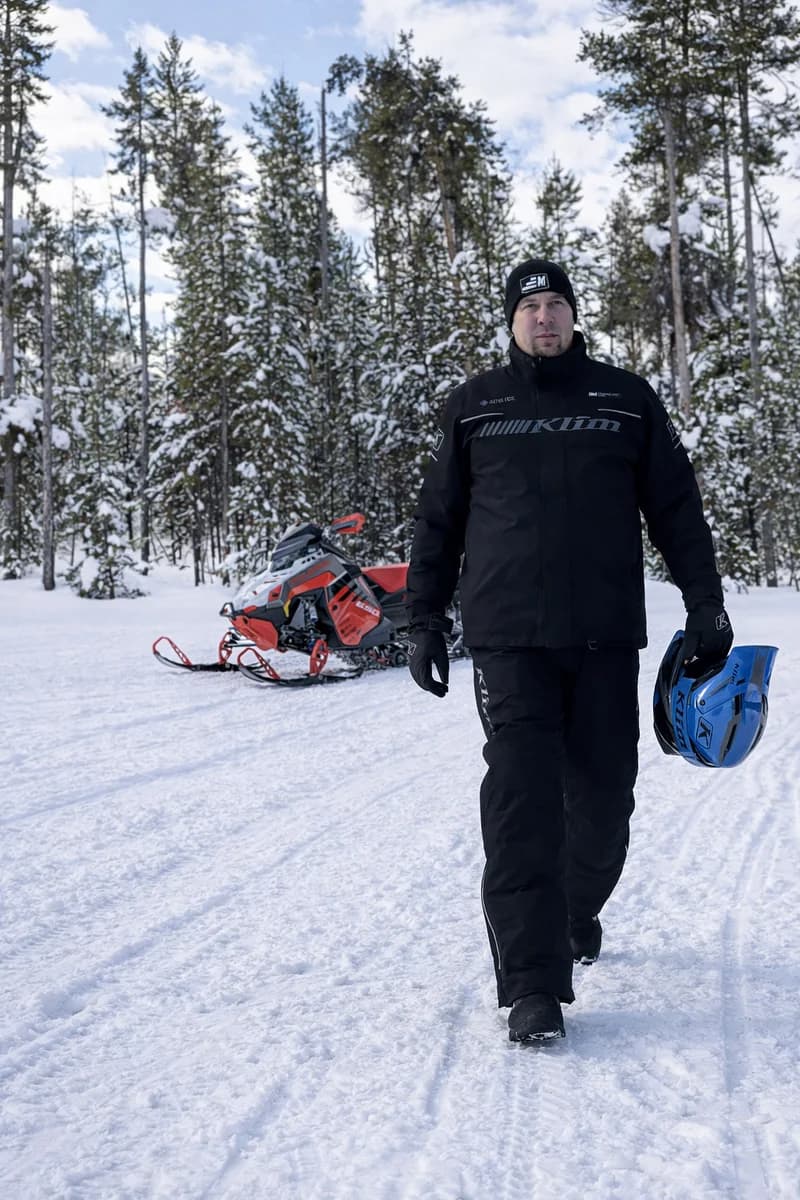
This season, the KLIM Kaos bib draws my attention as a key piece of trail snowmobile gear. Although I have not yet tested it, I anticipate improvements over the previous version, including enhanced thermal insulation and a more ergonomic fit adapted to riding movements. On paper, the bib promises superior protection against wind, snow, and moisture, while remaining breathable during intense effort. It is a model that I hope will deliver warmth, comfort, and freedom of movement during long days on the trails.
The Trail: The Ultimate Test!
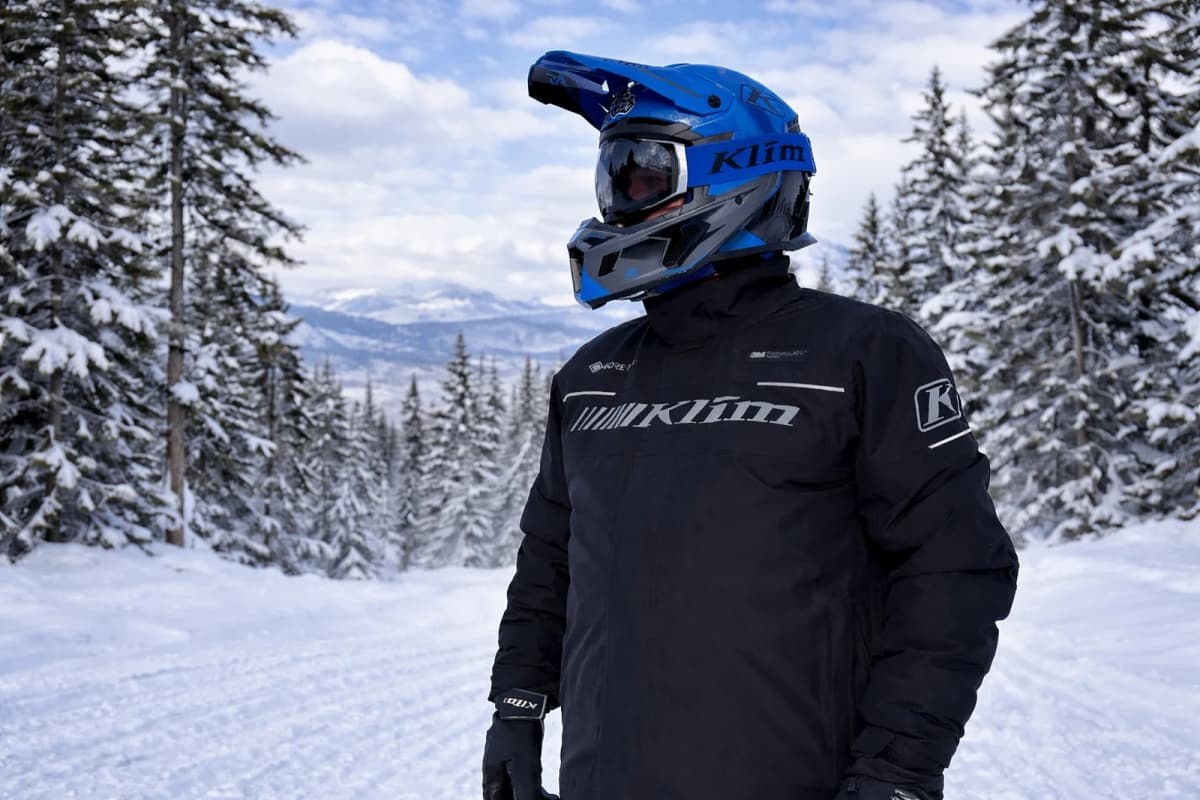
This upcoming field test of the KLIM Kaos gear represents an important step in evaluating its true value on the trails in authentic snowmobiling conditions. Over the miles, I will pay close attention to warmth, comfort, moisture management, and freedom of movement, essential criteria for any trail rider. The theoretical impressions are promising, but only real-world experience will confirm whether the KAOS setup meets expectations. Stay tuned for my honest and practical conclusions, aimed at helping guide your future snowmobile clothing purchases.