


In mid-December, several players in the industry received a document that was anything but trivial: a notice of intention to make a proposal to creditors for Widescape. Put simply, this is a restructuring process overseen by a licensed insolvency trustee, aimed at buying time and negotiating a settlement with creditors rather than hitting a wall immediately.
For enthusiasts, owners, and dealers who took a chance on this different kind of product, the question is the same: what does this actually mean… and what’s coming next?
Why Widescape attracted so much attention
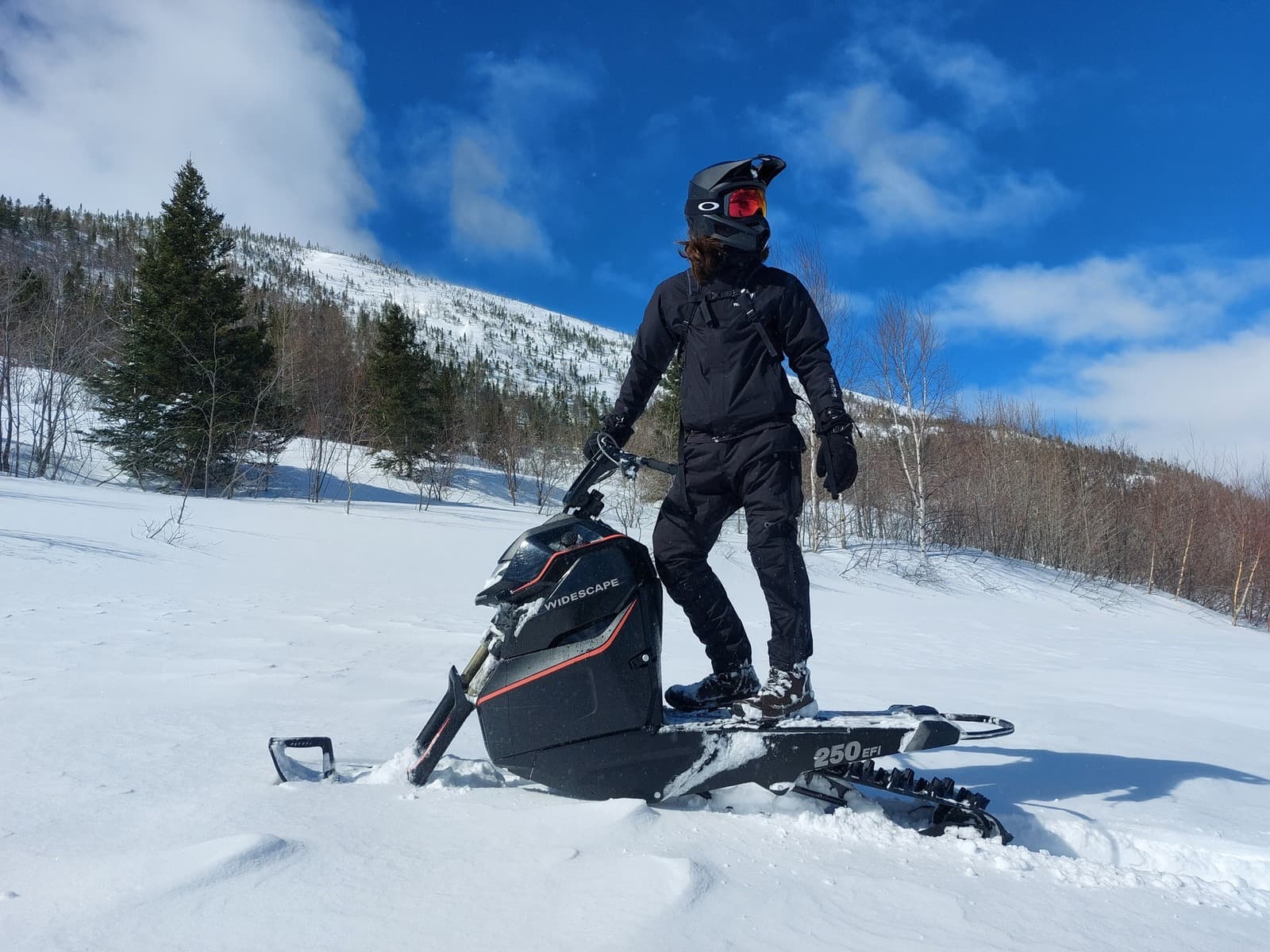
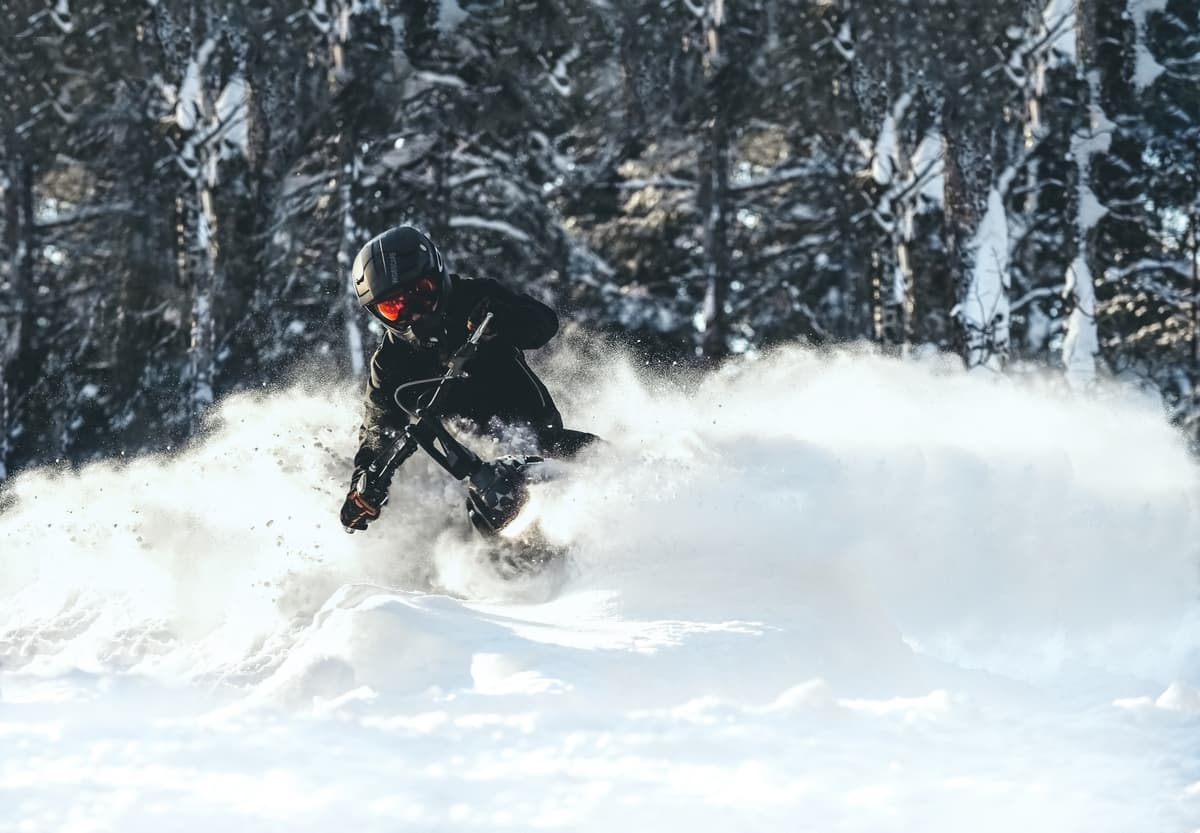
Let’s be honest: Widescape managed to pull off something rare. Creating a product that gets people talking, sparks curiosity, and builds a community quickly. The WS250 (their “stand-up snowmobile”) is a concept that fits a modern reality: lighter, more accessible, easier to transport… and designed for “enduro-style” riding, where traditional snowmobiles aren’t always the perfect tool. Widescape also clearly pushed this “compact / adventure” positioning, with a product designed to be easy to haul in the bed of a pickup truck, among other things.
But launching an eye-catching product isn’t enough.
A launch in an economic… and climatic context that didn’t help
Timing was clearly not kind to Widescape. And here, we have to add a factor that’s often underestimated but fundamental in our industry: winter itself.
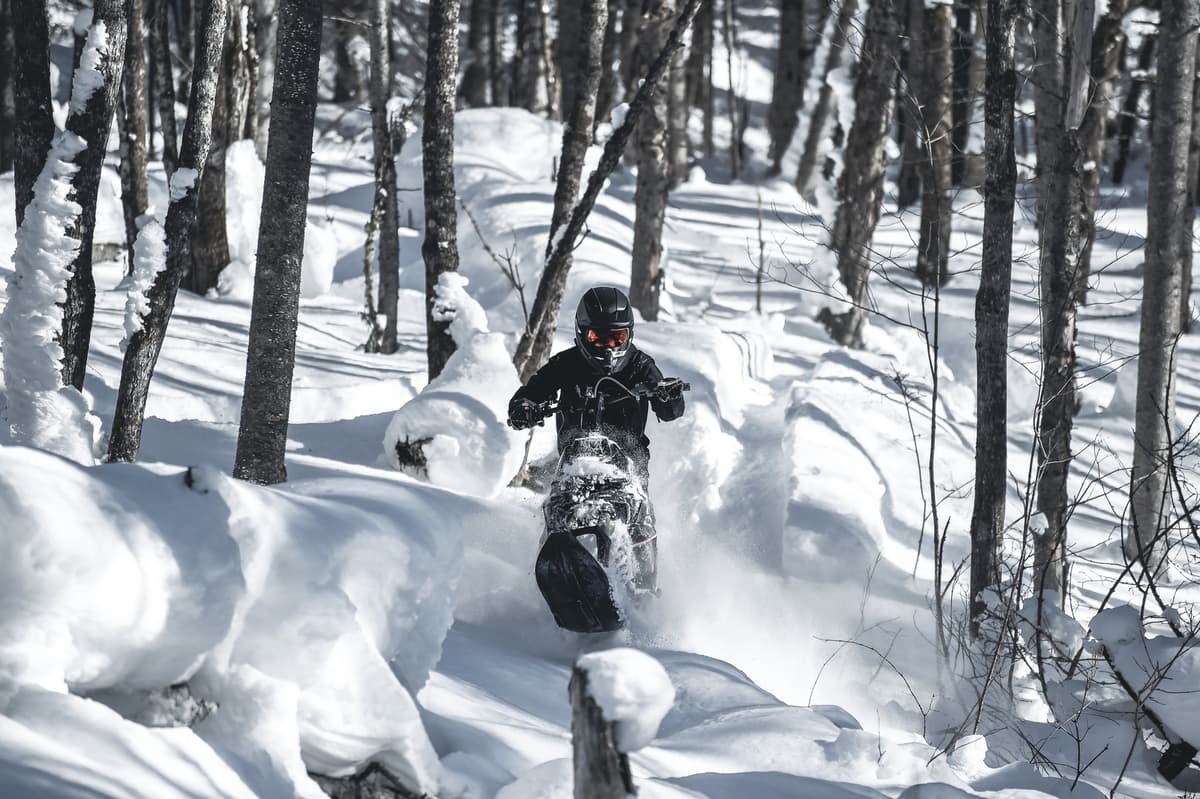
The first two seasons following the product’s introduction were marked by what many consider the worst snow conditions of the past 20 years. The 2023–2024 season was disastrous, and 2024–2025 unfolded in fits and starts, with uneven and unpredictable conditions. For an emerging winter product, this is an extremely difficult context in which to gain visibility, get people to try it, and—most importantly—sell it.
On top of that came an already unfavorable economic climate. For several years now, the snowmobile industry has been going through a more fragile period: slower new-vehicle sales, pressure on parts and apparel, heavier inventories at dealerships, and more cautious consumers. In this kind of environment, it’s not just the end buyer who hesitates—financing, inventory management, margin pressure, and the cost of capital all become silent obstacles.
For a young company like Widescape, these combined factors mean you can burn through cash very quickly, even with a product that generates interest and curiosity. Had the first two years been marked by strong snowmobile winters, with abundant snowfall and a healthier industry, it’s very likely the trajectory would have been different.
In this specific case, the reality on the ground caught up with innovation—and much faster than expected.
The early warning sign that already worried the field: parts
For several months, multiple dealers had been reporting a major pain point: access to parts. When a brand starts to “stretch” its supply chain, the consequences are immediate:
- longer repair delays
- frustrated customers
- warranties that become harder to manage
- dealers caught between a rock and a hard place
In our world, we all know this: once after-sales support cracks, trust follows the same path.
An overly aggressive promotion: a symptom of a need for cash?
In the fall, Widescape made a move that raised a lot of eyebrows: an offer along the lines of “two units for $10,000,” a massive drop compared to what many had in mind as MSRP.
In the industry, an aggressive liquidation usually means one of two things:
- you want to clear inventory quickly
- you want to convert stock into cash (fast, not “six months from now”)
And that’s where it hurts on two levels.
Impact #1: Dealers
Those who paid for their inventory at “regular price” suddenly find themselves having to explain why the perceived value has collapsed. It can also create a relationship issue: the dealer looks like the “bad guy,” even though they had no control over the decision.
Impact #2: Customers who paid full price
When you bought a machine last year and then see a discount that seems to cut its value in half, you feel burned. Even if the machine is good, emotions kick in… and resale becomes a headache.
What exactly is a notice of intention?
Without getting into legal jargon: a notice of intention is a procedure that allows a company to temporarily protect itself while it prepares a proposal to its creditors—a kind of plan to say, “Here’s how we’re going to settle / compromise / restructure what we owe.” It’s a structured process managed with a trustee.
The numbers being discussed: around $13M in debt
According to the information shared in the documentation received, the file totals roughly $13 million, including:
- $5.6M in secured and/or priority debt
- $7.7M in unsecured claims
That ratio matters: the larger the unsecured portion, the more people need to be convinced around the table… and the more the “exit” often ends up being an asset sale or a takeover by a better-capitalized player.
Acquisition rumors: Arctic Cat? BRP / Ski-Doo?
Since December 26–27, rumors have been circulating that Arctic Cat could be interested in bringing Widescape into its lineup.
Honestly, the idea isn’t far-fetched. Arctic Cat had already explored related concepts in the past—prototypes and alternative platform ideas were shown to the media about a decade ago. That said, we have to stay realistic: Arctic Cat itself is in a phase where every decision must be carefully weighed. An acquisition—even a “cheap” one—is never free: you have to finance the restart, parts, support, production, and absorb the media noise.
The other avenue—and in my view, the most logical from an industrial standpoint—is BRP / Ski-Doo.
Why?
- Because the network is there. Ski-Doo has a well-oiled distribution network.
- Because many powersports dealerships already familiar with winter products know the target customer profile.
- Because a major player can quickly restore:
- a parts inventory
- a warranty structure
- a stable supply framework
- a credible product plan
And when you’re talking about a product designed/manufactured in Canada and existing know-how, integration into a structured group suddenly becomes far more realistic than “refinancing” a young company in its current form.
The most likely scenario
I’ll say it plainly: I don’t really believe in a refinancing that allows Widescape to continue exactly as before.
The scenario that best fits what’s happening on the ground is:
- a structured proposal process
- followed by an exit through acquisition / asset takeover
- with a relaunch under a stronger banner (or a preserved brand, but backed by another group)
And paradoxically, that’s where the product’s future could actually become more promising than it has been in recent months.
Why the product won’t disappear so easily
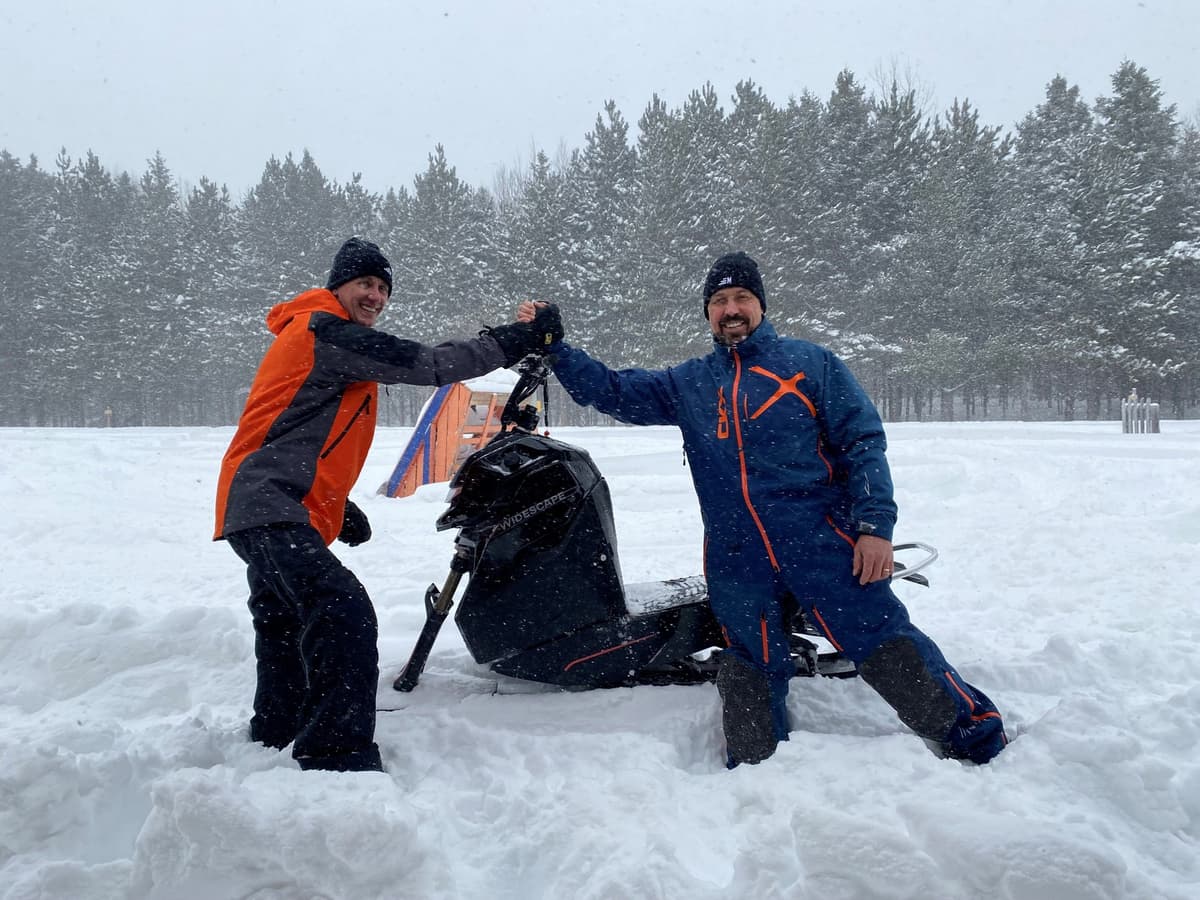
Widescape isn’t just “buzz.” There is:
- a fan base
- machines already out in the field
- a clear use case (no need for three feet of snow, immediate fun once you get the hang of it)
- and even export logic (we’ve seen international interest for this type of product at major events like Hay Days)
The concept is simply too interesting to die in a drawer.
What this means for owners (short term)
In the short term, the priorities are straightforward:
- parts
- support
- warranties
- resale value (which is likely to remain volatile until the situation is clarified)
The good news is that a structured process increases the chances of a solution (takeover, agreement, relaunch). The bad news is that timelines can be stressful for those who want to ride now, not “later.”