

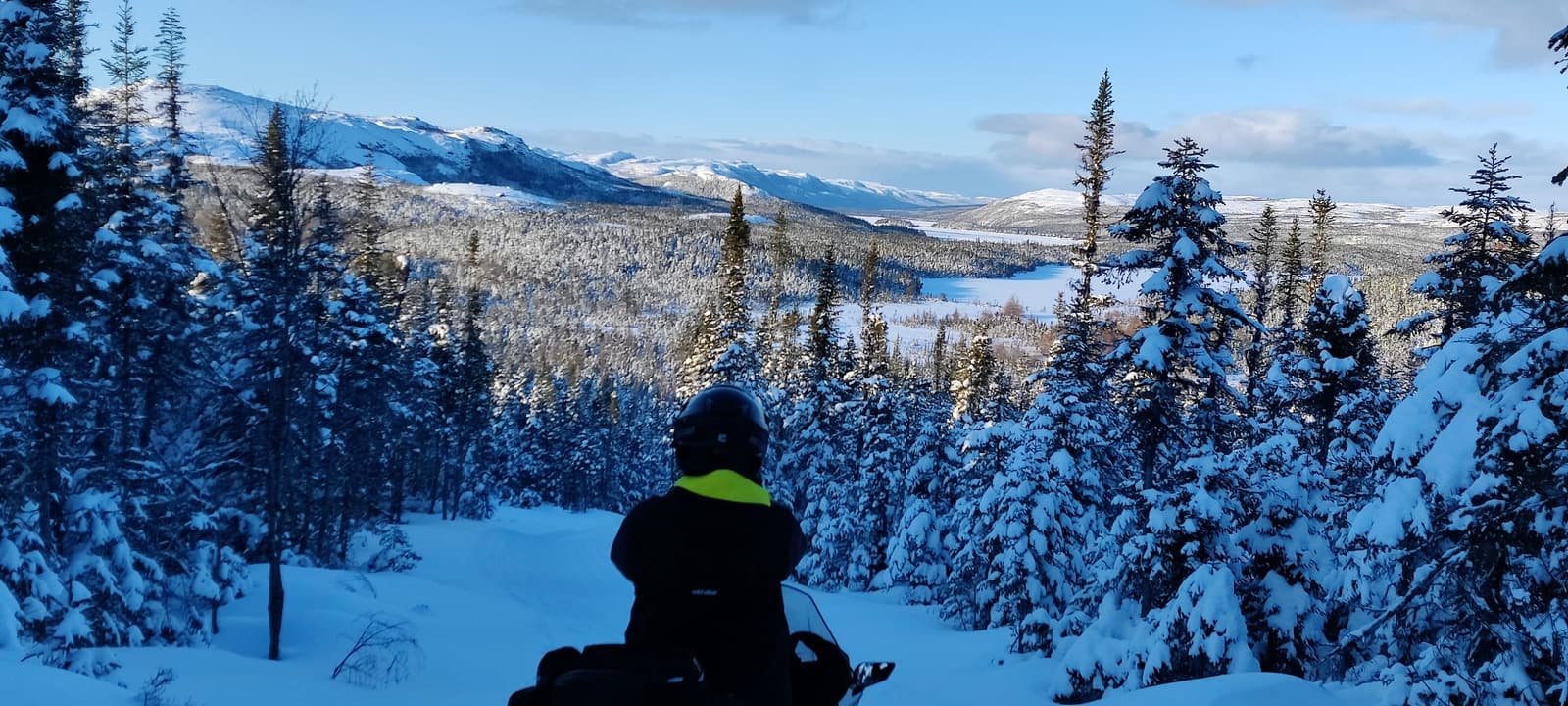

What snowmobiler hasn’t heard of the legendary White Road? For many of us, it’s a bit like the snowmobiler’s Camino de Santiago. Recently, I had the opportunity to take on this journey with friends. I also invite you to read the account of my expedition, which I published in two parts. In the first part, I recount the beginning of the trip, from Natashquan to Harrington Harbour. In the second, you can read about the end of the journey to Blanc-Sablon. In this third and final part, I’ll explain what led me to undertake this adventure, as well as all the preparations required to ensure its success. Enjoy the read!
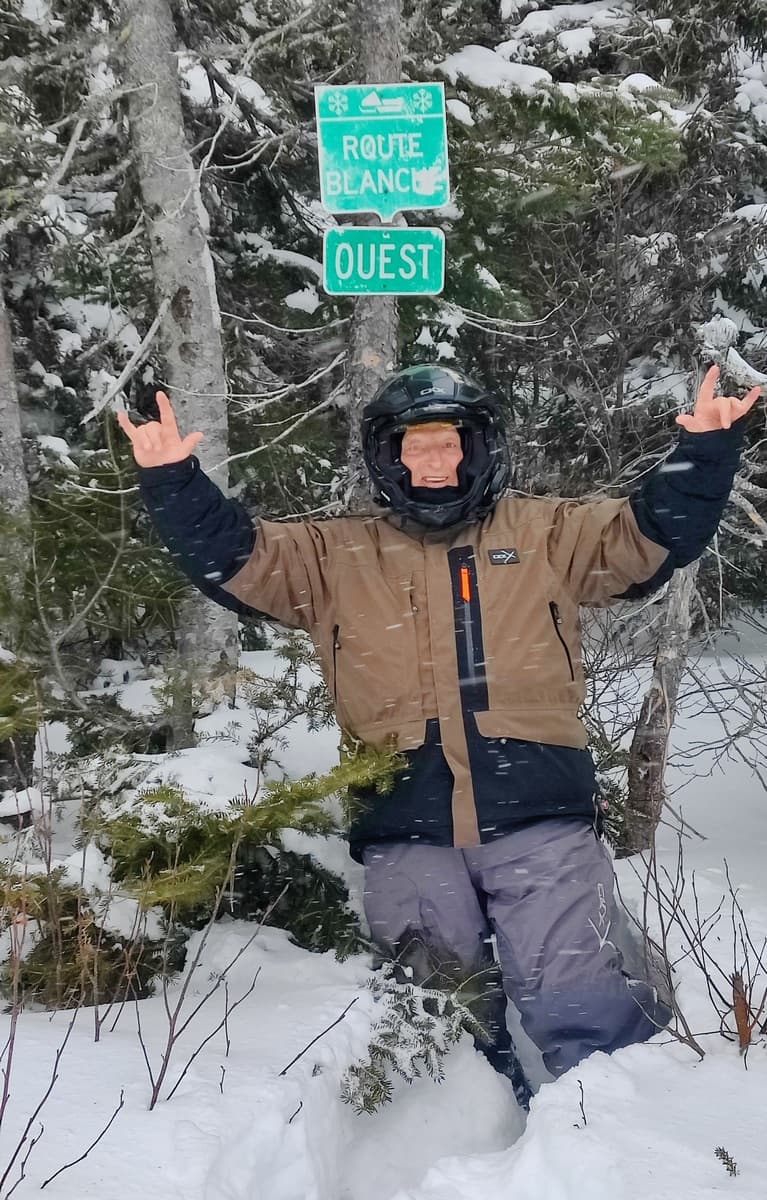
Why ride the White Road by snowmobile?
You may be wondering what motivated me to take on the White Road. First of all, everyone who embarks on this adventure probably has their own reasons. Personally, I love nature. Life led me to live in an Inuit community for several years. The vastness of nature—its beauty, purity, and silence—has always left a deep impression on me.
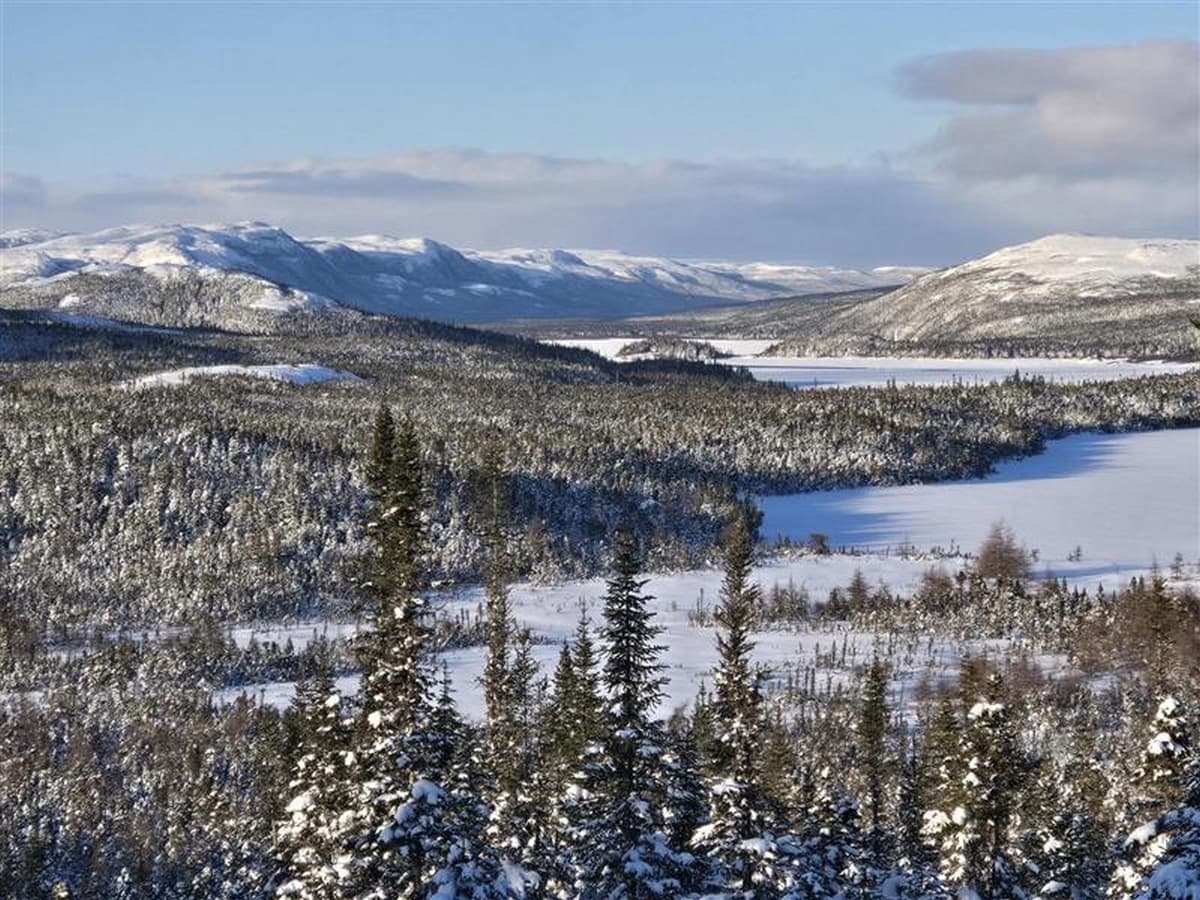
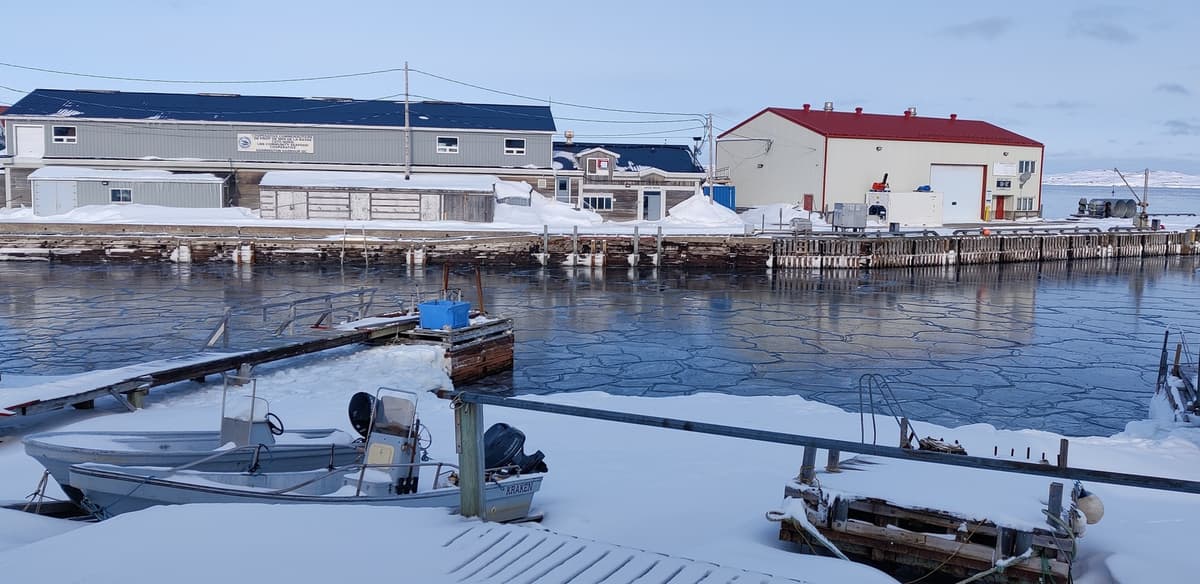
The Lower North Shore offered me, in many ways, similarities with the Inuit communities I had lived in. I’m thinking in particular of the encounters with francophone, anglophone, and Indigenous villages—so different, yet so alike. Each place differed in language, but the welcome was always the same.
In my life, I’ve travelled the vast snowmobile trail network of the Fédération des clubs motoneigistes du Québec, from Percé to Matagami, from Chibougamau to southwestern Quebec. After riding across the province, there was only one dream left to fulfill, only one trail left to discover: the White Road.
The White Road
Above all, the White Road is a vital link for the communities of the Lower North Shore. In winter, it connects all villages between Kegaska and Blanc-Sablon, right to the Labrador border. The route stretches over 459 km of lakes, rivers, bays, forests, and mountains, and includes 23 shelters spread between communities. For safety purposes, each shelter displays its GPS coordinates, as well as the distance to the nearest village in both directions.
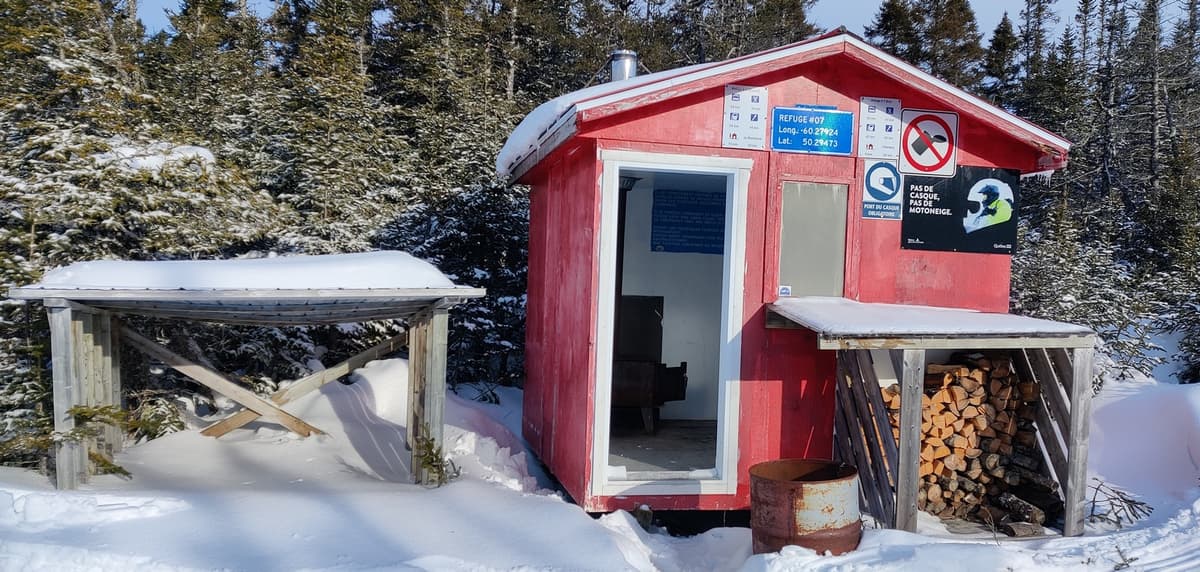
Under the responsibility of Quebec’s Ministry of Transport and Sustainable Mobility, the route is regularly maintained by local trail workers, known as “costiers”. Whether it’s grooming, signage, or measuring ice thickness, they ensure the trail remains safe.
Signage
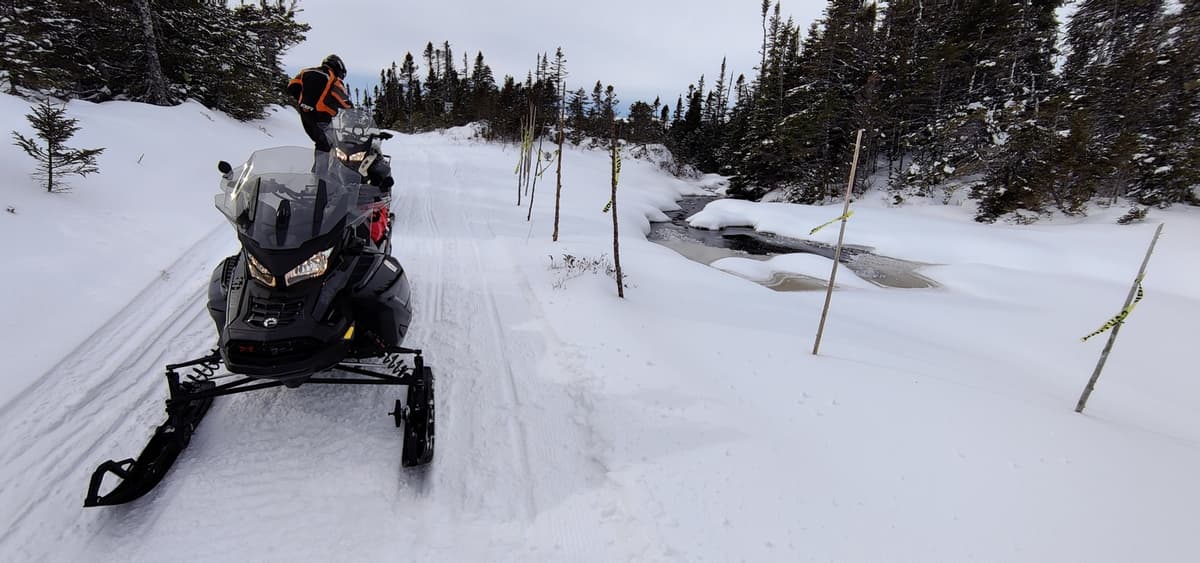
If you’ve ever travelled on the Lower North Shore, you’ve likely seen images of small trees used to mark the White Road. But is the route really as well marked as people think?
The trail workers install signage and markers using precise measurements. Except in rare wooded areas, the distance between each marker is exactly 50 feet. These markers line the entire 459 km route.
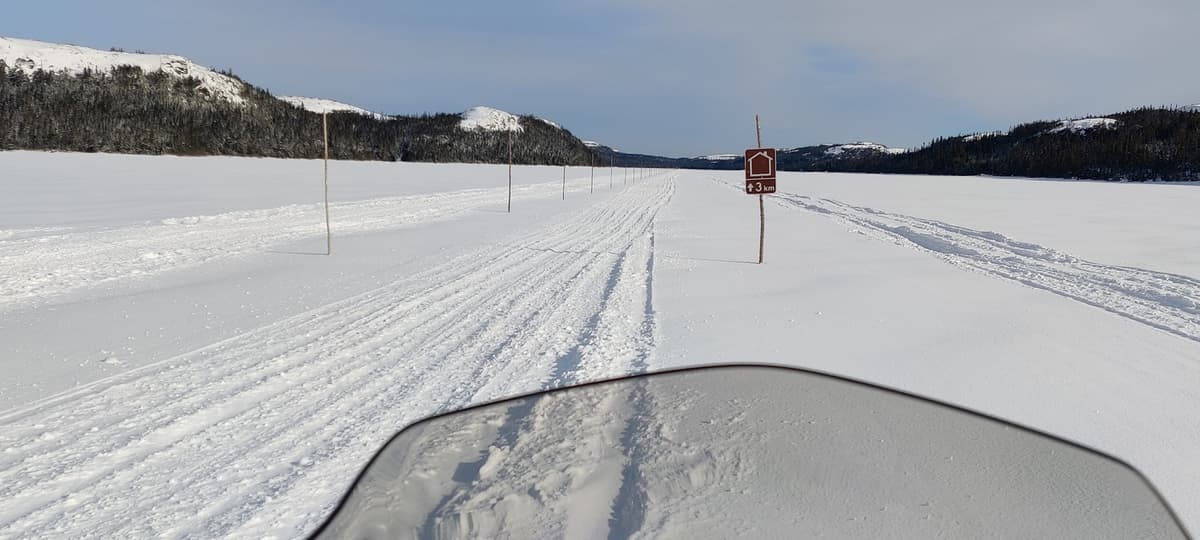
These measurements are regularly checked to ensure the safety of this officially maintained route connecting all Lower North Shore villages.
Trail grooming
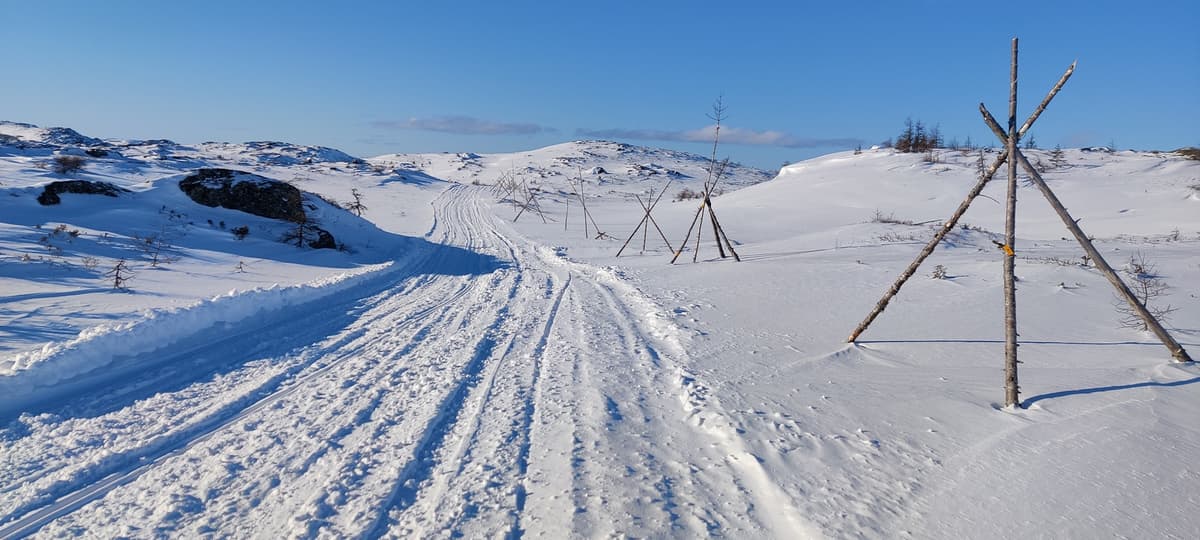
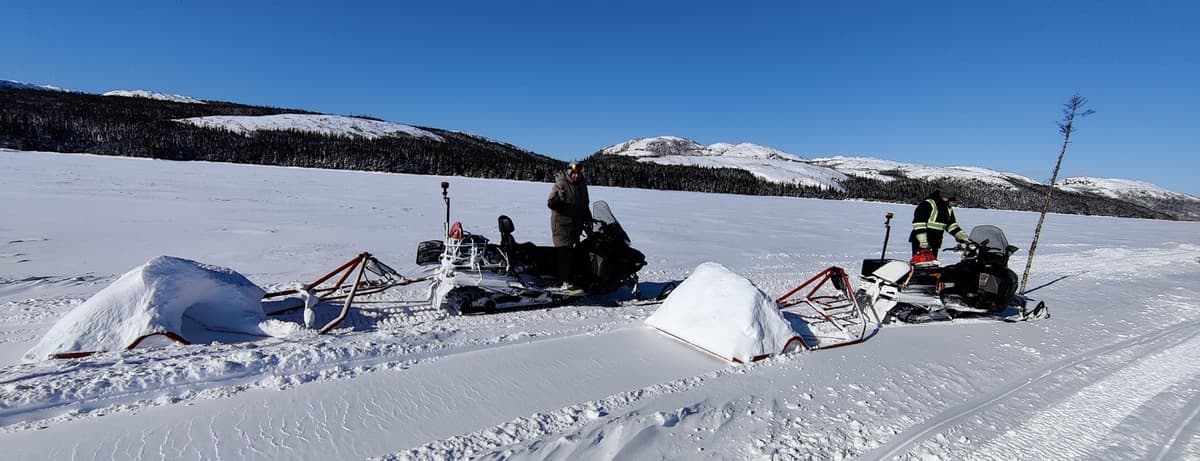
Except during storms, the route is groomed regularly. We encountered the maintenance crews many times during our trip. They work in teams of two, each member riding a snowmobile equipped with a drag. This allows them to constantly correct and verify that the trail remains safe.
Ice conditions
Naturally, the White Road crosses many rivers and bays. On the Lower North Shore, these bodies of water are subject to significant tidal effects. It is therefore vital to stay between the trail markers. Otherwise, you risk getting stuck in slush. I personally saw tracks only a few metres off the trail. The marked route itself is very solid due to regular snowmobile traffic. Leaving it is at your own risk—and the risks are high.
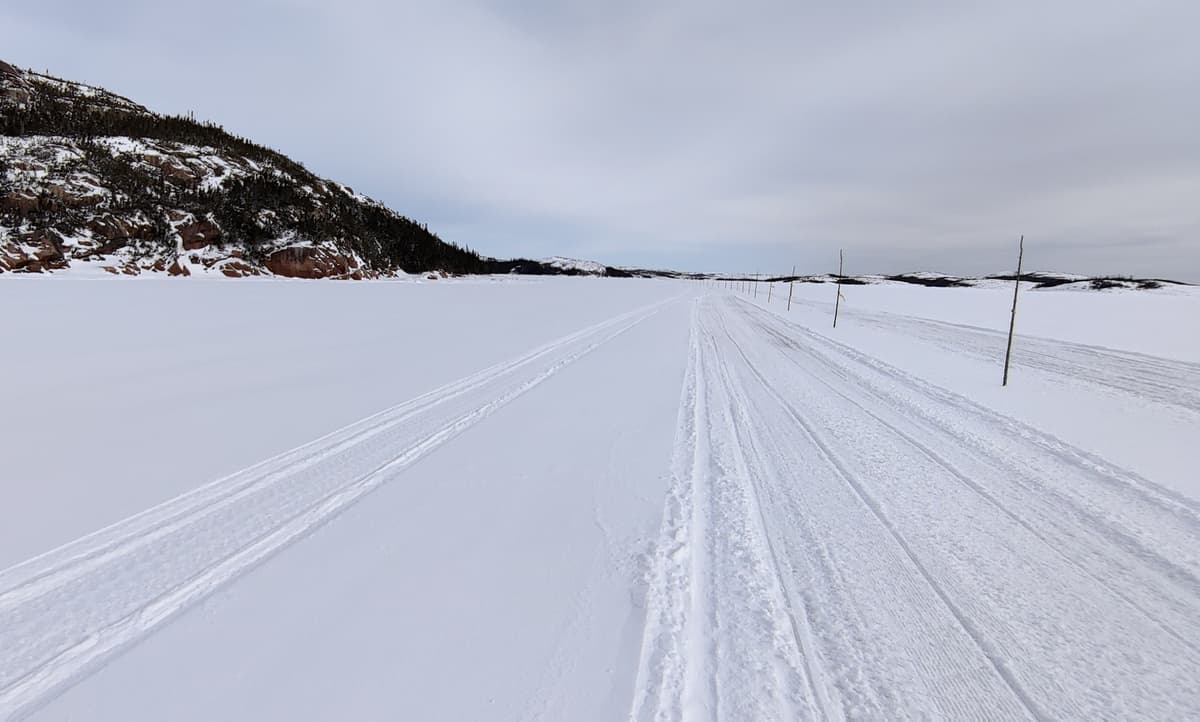
Maintenance crews regularly measure ice thickness to ensure safe passage. As long as you stay on the marked trail, you won’t have any issues.
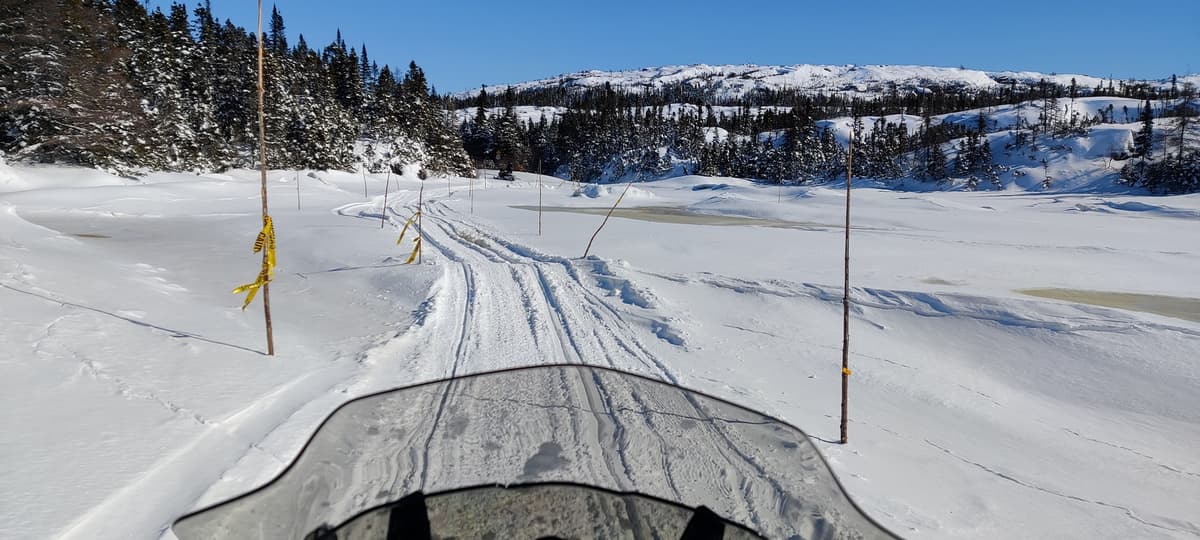
Preparing a snowmobile trip on the White Road: essential questions
When is the best time to ride the White Road?
Based on my research, the best time to ride the White Road is between mid-February and mid-March. Be sure to allow some flexibility for departure and arrival dates. In my case, I had to wait three years for favourable conditions.
Is the White Road a safe adventure?
I mentioned the many waterways crossed along the White Road. You might wonder whether it’s dangerous. I can reassure you that at no point during my trip did I feel unsafe. Follow safety guidelines and signage, and you’ll enjoy a safe and pleasant journey.
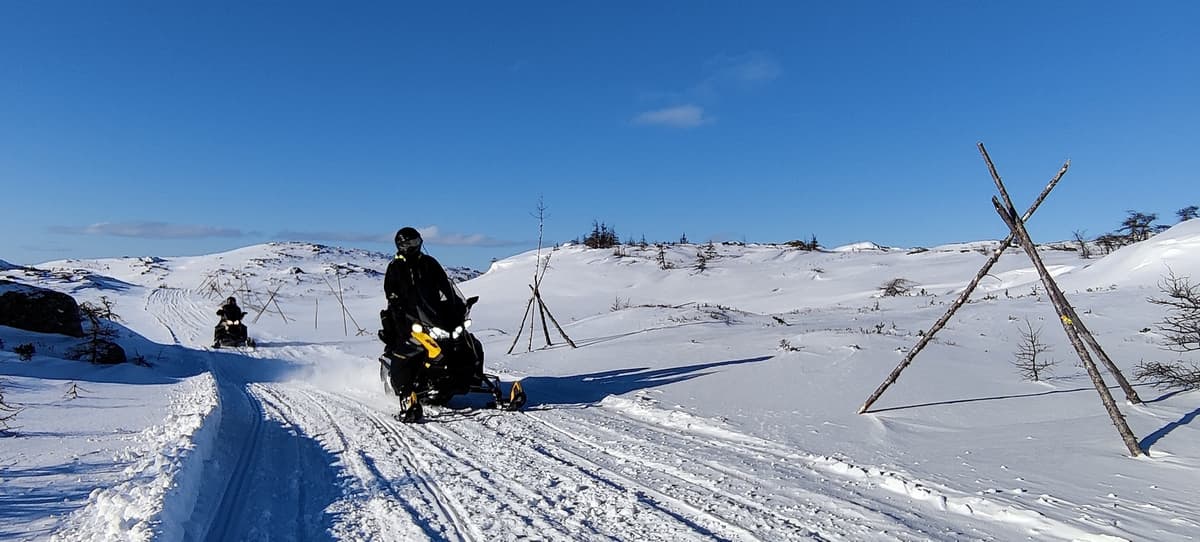
What about the long stretches between villages? Rest assured, the White Road features many secure shelters stocked with firewood. I also met many snowmobilers travelling from village to village.
And there’s more. Did you know that if you encounter a snowmobiler stopped along the trail, you can’t just ride past? You’re required to check whether they’re broken down or simply taking a break. In these remote regions, helping one another is essential—it’s a matter of survival.
Do you need a guide to ride the White Road?
The short answer is yes and no—it depends on your intentions.
If you want to explore areas off the main White Road, you’ll need a guide. Tides can bring water up over the ice and under the snow, creating slush.
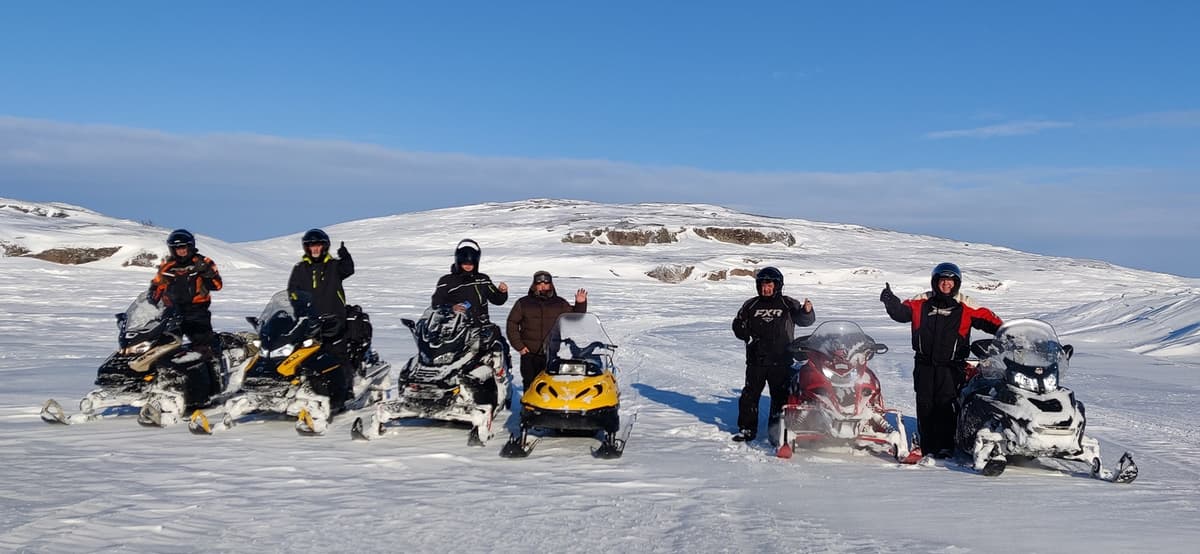
Taking time to venture offshore offers insight into the lives of the first coastal settlers. Being accompanied by a guide is essential in these areas and provides a great opportunity to learn about the region’s fascinating history.
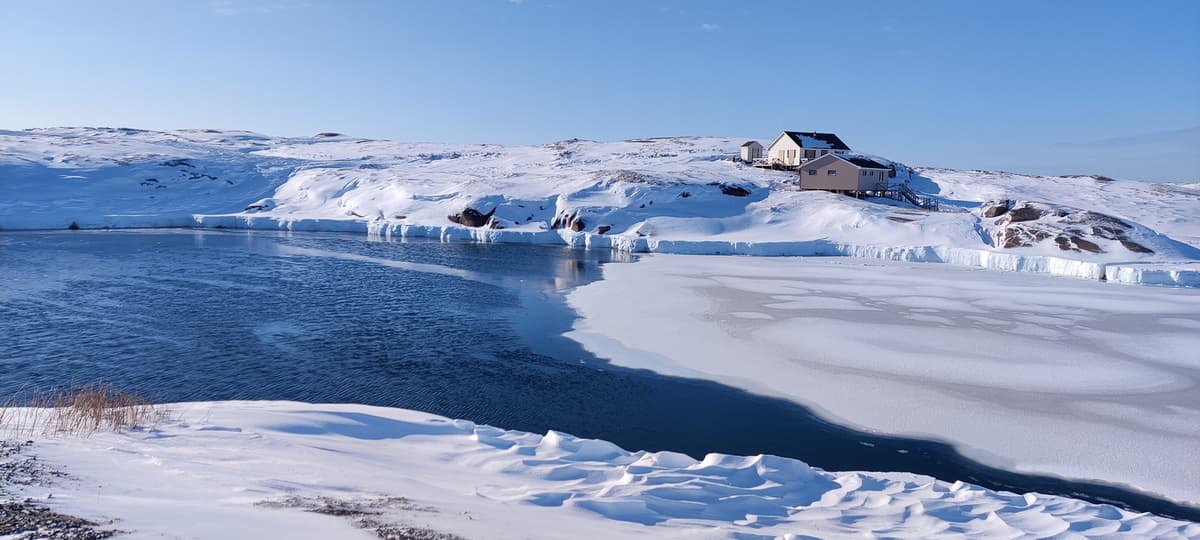
However, if you have extensive experience with long-distance snowmobile travel, a guide isn’t mandatory—provided you never leave the marked trail. That said, I strongly recommend the services of Voyages CoSte, an agency specializing in this type of trip.
Do you need an off-trail snowmobile for the White Road?
No. I completed the journey on a trail snowmobile—a Ski-Doo Renegade with a 137-inch track—and thoroughly enjoyed the experience. One of my friends rode a mountain sled, and I didn’t see any real advantage.
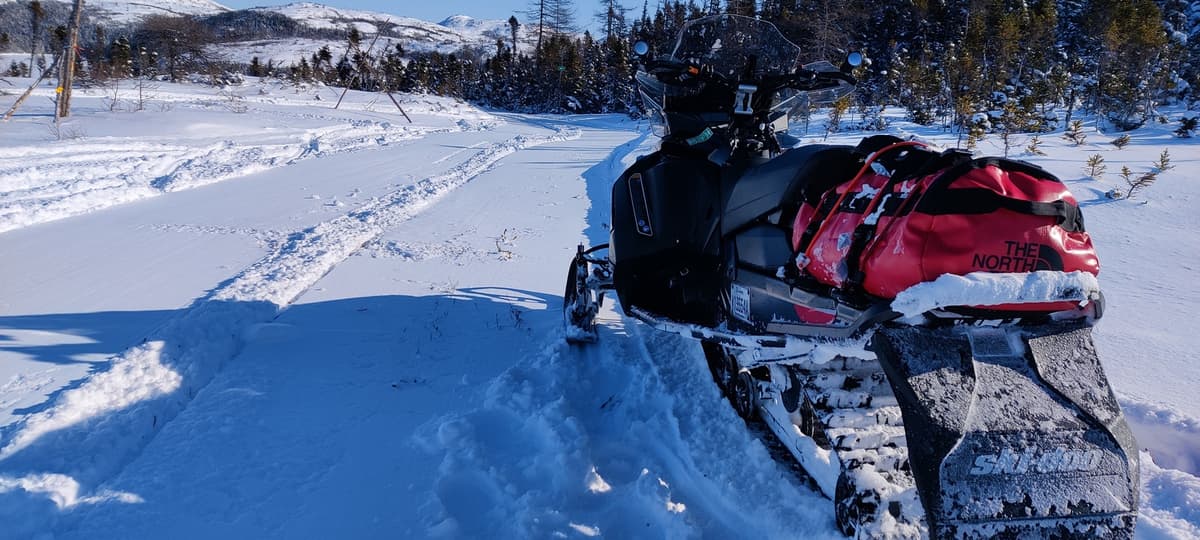
What should you bring on the White Road?
First, count on two or three good friends. Travelling as a group increases safety and enhances the experience. The ideal group size is three, with a maximum of four, due to limited lodging options.
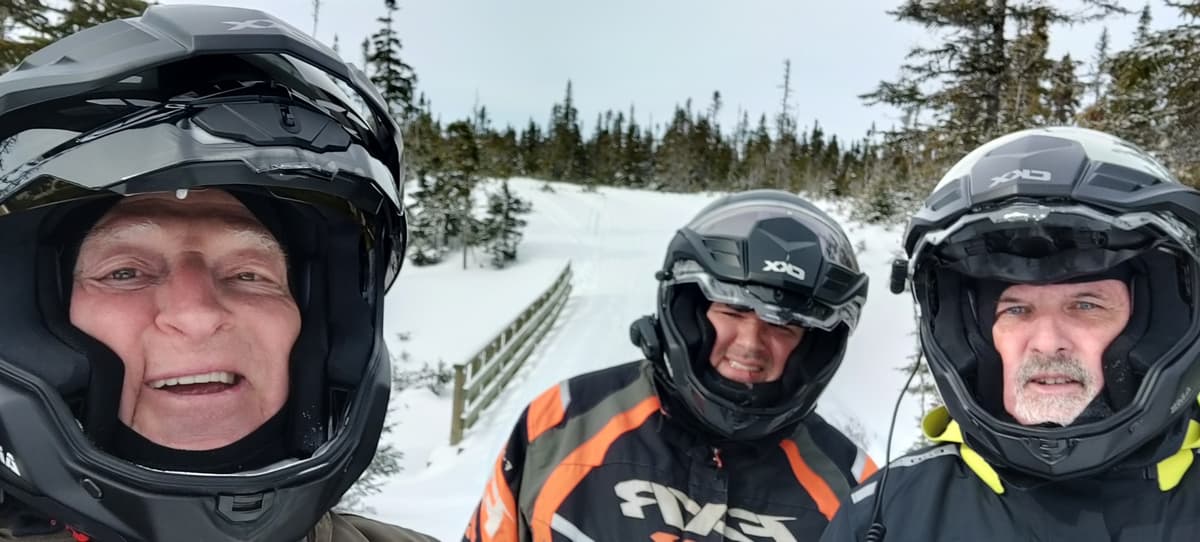
For gear, I recommend an excellent and still-relevant article by my colleague Mario Bernier: What to bring for a safe snowmobile trip.
I’d also like to stress the importance of carrying healthy, nutritious snacks—granola bars, nuts, dried fruit—that you can eat on the trail or at midday. Many shelters are great places to rest and snack. While most villages have a general store or small grocery, supplies arrive by boat, and we occasionally found very little available for lunch.
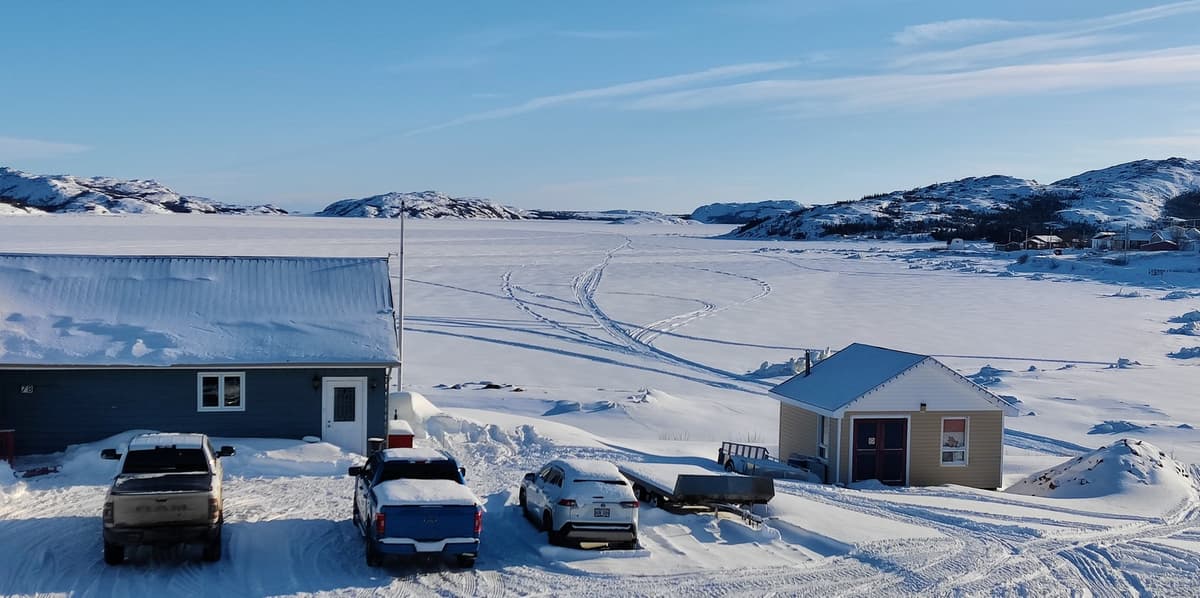
Is fuel available everywhere along the White Road?
Snowmobiles are a common means of transportation in the region, so fuel is available in every village. Personally, I didn’t carry extra fuel, but I refuelled every time I saw a station. You have to assume the next village might have a pump failure or run out of fuel. It didn’t happen to us, but following this rule allowed us to travel worry-free.
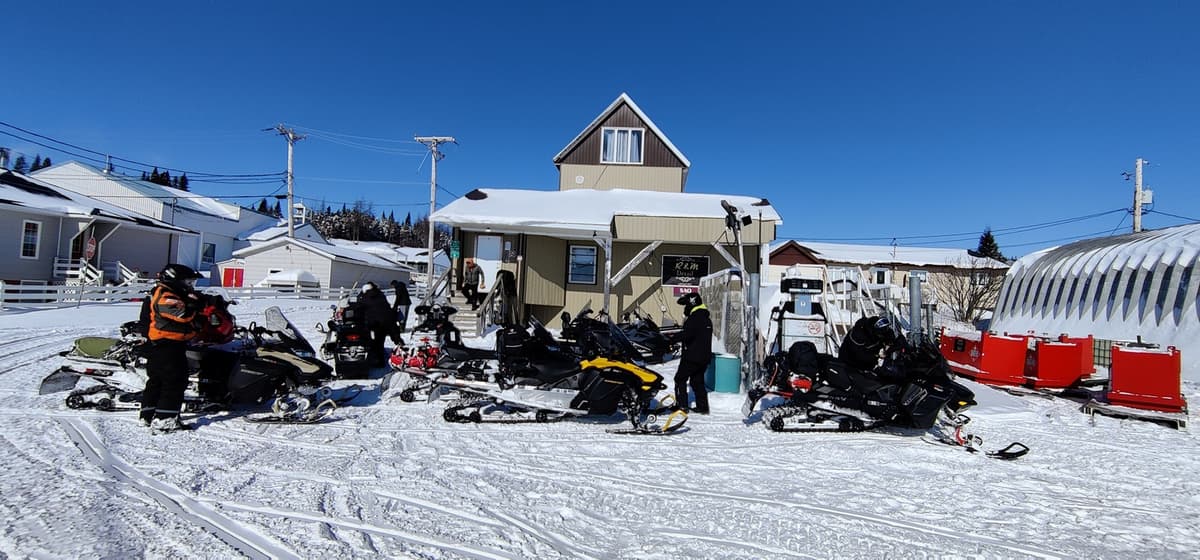
Voyages CoSte: A Key Support for the White Road
If you’ve read my previous articles, you’ve already heard me mention Voyages CoSte. Let me now explain who they are and what they do. They are a cooperative promoting fair and sustainable tourism, organizing and marketing tourism offerings in Minganie and the Lower North Shore.
Voyages CoSte emphasizes respect for its clients, employees, members, communities, and the environment. They showcase the region by offering authentic, human-centred travel experiences while maximizing positive local impacts.
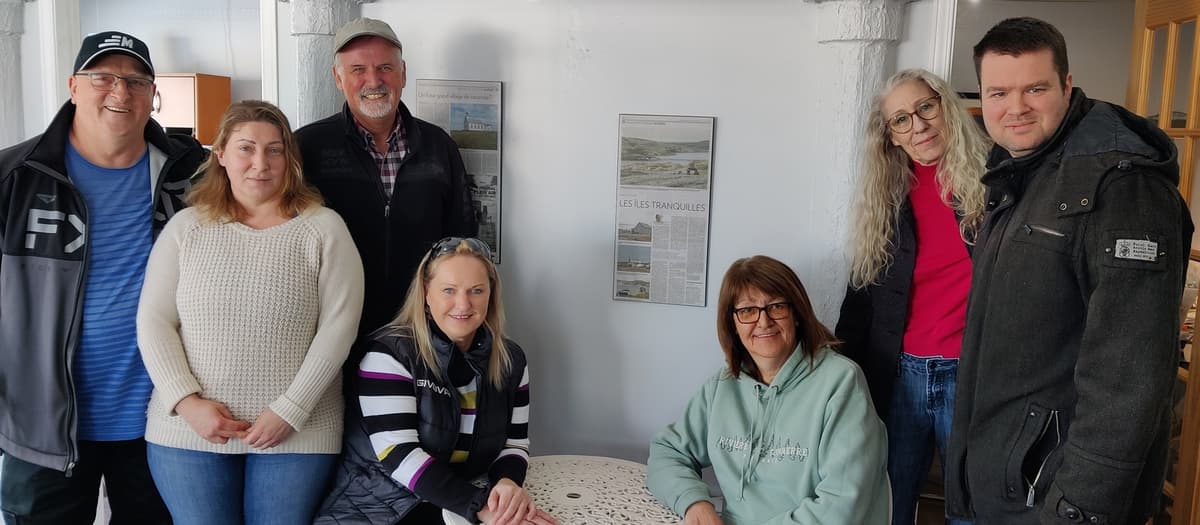
With the help of their team, Alberte Marcoux acted as a kind of control tower for the White Road. She understands the ever-changing conditions and remains in constant communication with partners to track departures and arrivals. Beyond ensuring safety, this coordination also allows for the use of local guides, enriching the experience.
The agency also handles lodging changes when necessary, allowing travellers to enjoy each day stress-free.
What to Keep in Mind Before Heading Out to the White Road
And that’s it—this concludes our adventure. If you feel the call of the White Road, I hope my story encourages you to go for it. And while you’re at it, why not turn your snowmobile trip into a true adventure?
Surround yourself with good travel companions. Plan your expedition carefully, but remember to stay flexible before and during your trip. And don’t hesitate to rely on Voyages CoSte. Their team enhances the experience while ensuring your safety at a very reasonable cost.
Finally, take the time to stop, talk, and share moments with the people of the communities you pass through.
Acknowledgements
I would first like to thank all the costiers for the incredible welcome we received in every community we visited. A special thanks also goes to Alberte Marcoux of Voyages CoSte, who made it possible for us to complete this journey stress-free and fully enjoy every moment.
Among our partners:
- Tourisme Côte-Nord
- Tourisme Lower North Shore
- Voyages CoSte (Rivière-au-Tonnerre)
- Auberge de la Cache (Natashquan)
- Hôtel Madame Ruby (La Romaine)
- Héli-Express (Chevery airport)
- Gîte La Séduction (Harrington Harbour)
- Auberge de l’Archipel (Tête-à-la-Baleine)
- Auberge Whiteley Inn (Rivière-Saint-Paul)
- Whiteley Museum (Rivière-Saint-Paul)
- Salmon Bay Farm (Rivière-Saint-Paul)
- Auberge et Motel Quatre saisons (Blanc-Sablon)