

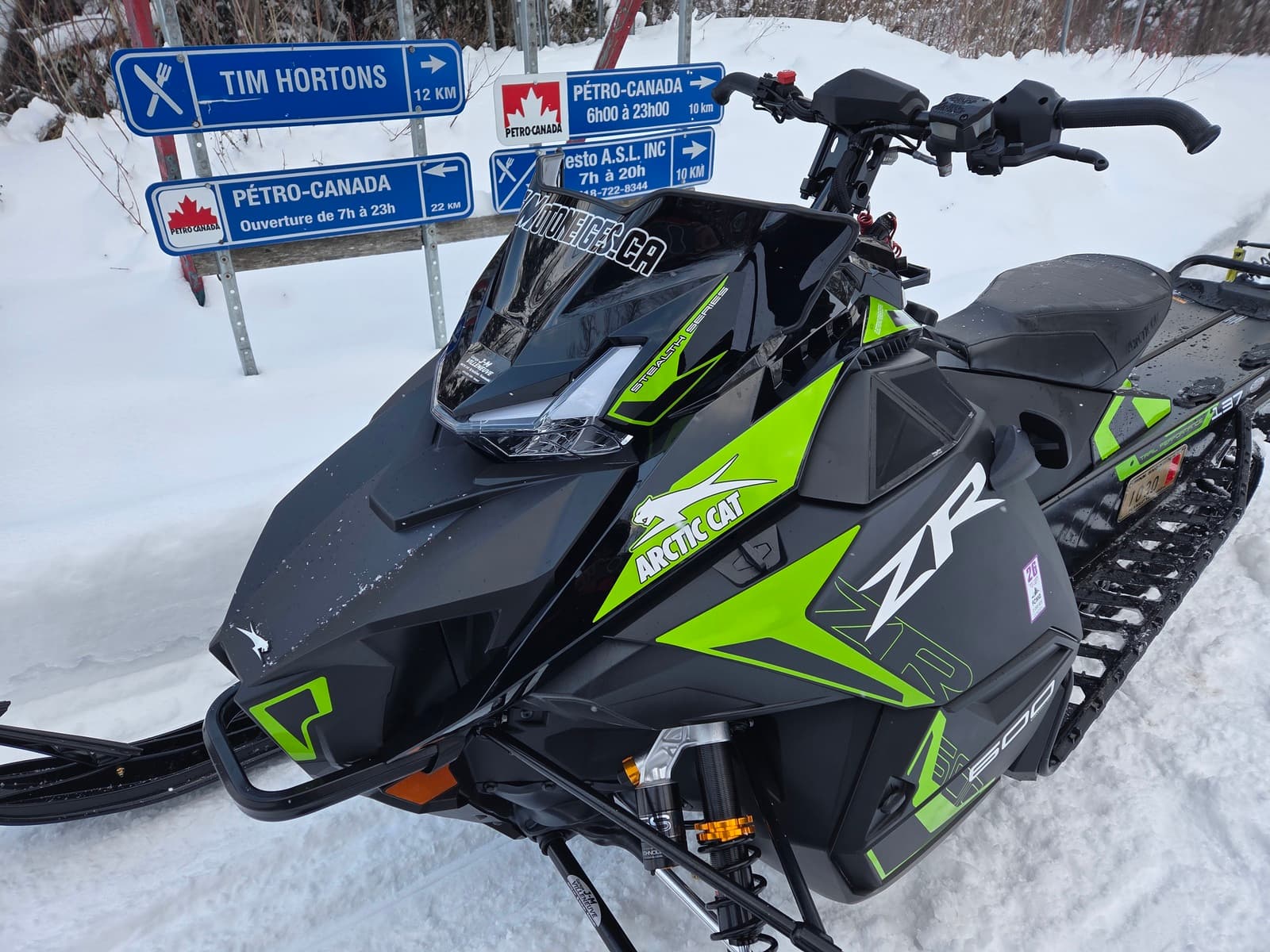

Over the past few days, I took delivery of my ZR 600 ES EPS 2026, a snowmobile supplied directly by Arctic Cat as part of a long-term test. We are very pleased to see Arctic Cat return as one of our partners, and, for the current season, I will be the one responsible (and fortunate enough) to ride and evaluate this unit on a regular basis.
Representative Test Conditions on Québec Trails
During this first ride, I covered approximately 220 kilometres in total. Of that distance, about 50 kilometres were ridden in rougher, bumpier conditions. There was a lot of churned-up snow, and traffic from snowmobilers over the previous two days contributed to the formation of moguls.
For the remainder of the ride, conditions were excellent. Most of the time, the trails were very well maintained, with a firm, flat base and little to virtually no bumps. The only ones I noticed were on the inside of tight corners and at the base of a few steeper climbs.
During this ride, temperatures ranged between -10 and -15 degrees Celsius, depending on location and elevation. Traffic was moderate, allowing us to fully enjoy the conditions and providing an ideal setting for this first contact with the snowmobile.
Easy-to-Learn Catalyst Platform: Ergonomics and Riding Position
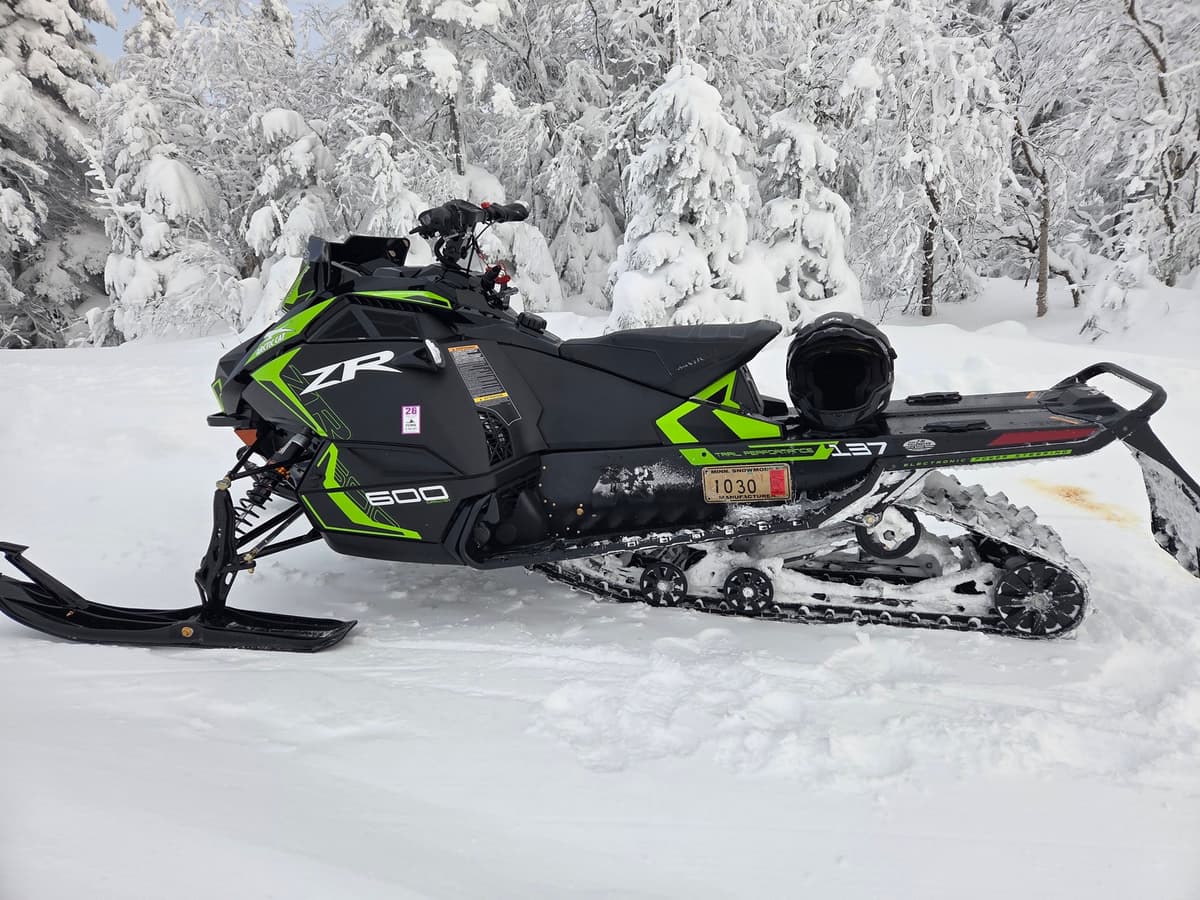
From the very first kilometres, one thing is clear: you adapt to the Catalyst platform very quickly. The riding position feels natural, intuitive, and confidence inspiring.
It actually reminds me a lot of the riding position found on Polaris’ Matryx chassis. Riders who appreciate that type of ergonomics will feel right at home on the Catalyst.
The riding position is relatively upright, offering excellent visibility down the trail. You feel well positioned and well centred on the snowmobile, which makes riding comfortable and not overly tiring, even over longer distances.
Nervous and Surprising C-TEC2 600 Engine: Performance and Character
It had been several years since I last rode a snowmobile powered by a 600-class engine as part of a long-term test. This first experience with the C-TEC2 600 brought me back into the world of mid-displacement engines—and honestly, I was very pleasantly surprised.
The engine is responsive and lively, producing a great sound, especially when blipping the throttle at a standstill. This engine has been around at Arctic Cat for some time, but it has benefited from several refinements over the years. I was curious to see how it would perform on Québec trails, and so far, my verdict is very positive.
The throttle response is crisp, the acceleration is strong, and there is no hesitation. Exiting a corner, when I roll on the throttle, the ZR responds immediately. Obviously, this is not an 800 or 850. Still, for a 600, the performance is genuinely impressive.
I would like to open a brief parenthesis here. In my opinion, a 600 or 650 engine represents an excellent compromise for the vast majority of snowmobilers. One of the biggest advantages of this type of powerplant is fuel consumption. Less outright power generally means lower fuel and oil consumption. Of course, consumption is naturally higher during the break-in period, but I expect a noticeable improvement once break-in is complete—especially when compared to Arctic Cat’s older 800 or 850 engines.
ZR 600 EPS Transmission and Clutching: Smooth and Efficient
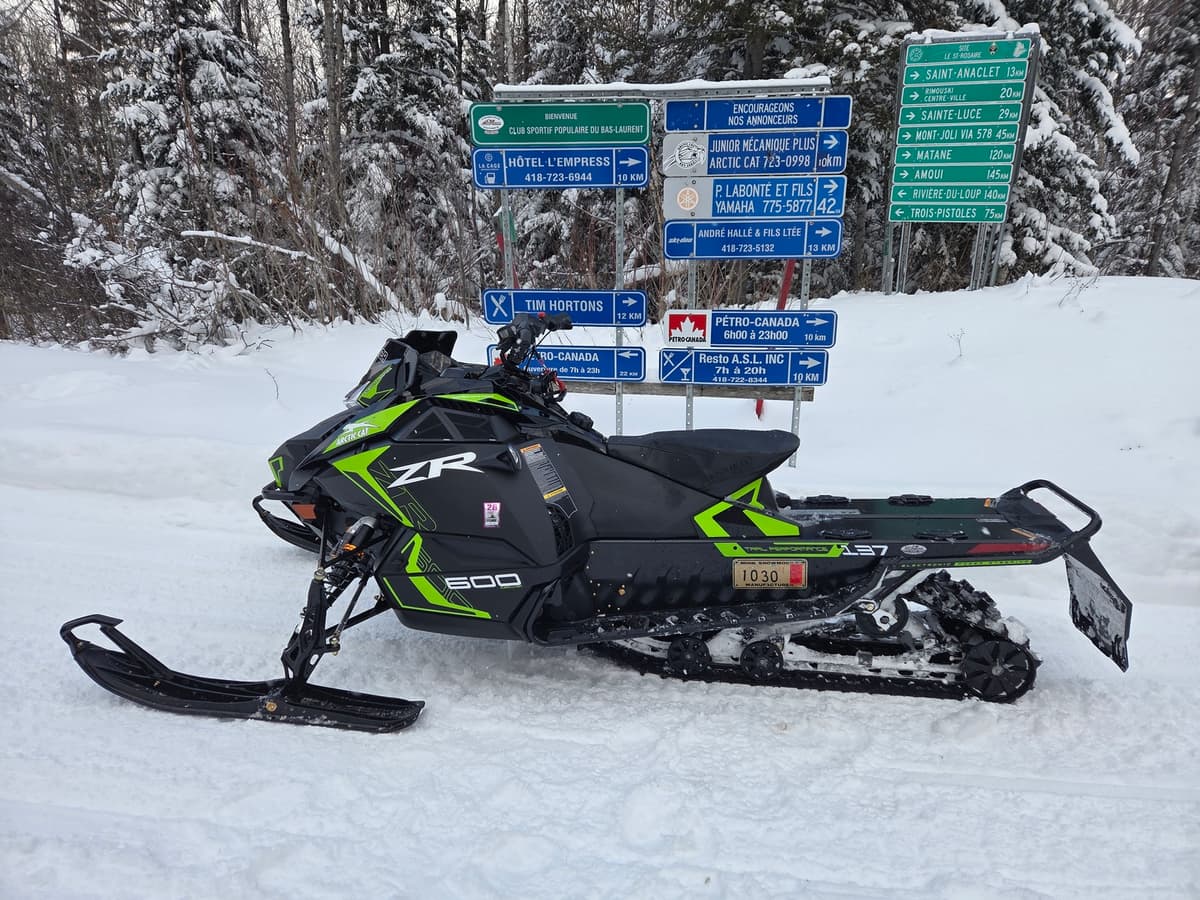
On the transmission side, the ZR 600 EPS pulleys operate flawlessly. I noticed no abnormal noises or harsh engagement, either on throttle application or when pulling away from a stop. Operation is very smooth, progressive, and well calibrated.
The engine feels neither overworked nor underutilized. The engine—transmission pairing is coherent, efficient, and inspires confidence for long-term use.
EPS Power Steering: Precision With Reduced Fatigue
My ZR 600 EPS is equipped with electronic power steering (EPS), and I noticed it immediately during the first maneuvers. At low speeds or at a standstill, the handlebars turn easily without feeling over-assisted. While riding, EPS maintains precise steering without causing fatigue, even in tighter or more aggressive corners. I will pay closer attention to steering feedback during upcoming rides.
The ZR’s skis are fitted with dual carbides of different lengths on each side. With strong bite, the precise steering has not caused any ski lift so far. Of course, the season is still young and conditions will evolve. I am looking forward to seeing how the snowmobile behaves with even more traction and in more aggressive corner entries.
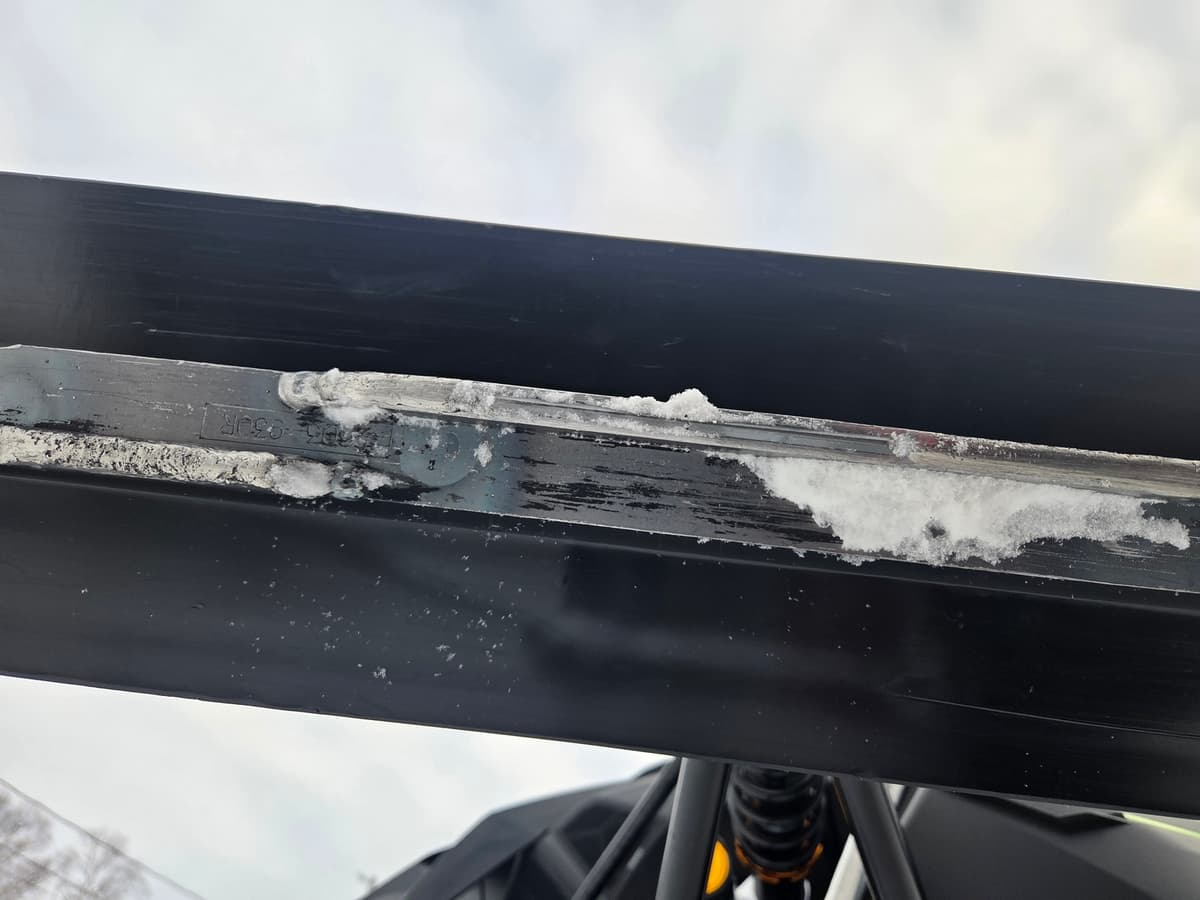
Dual carbides help minimize darting and improve cornering traction.
ZR 600 ergonomics and riding station
The wide running boards provide plenty of room for boots without ever feeling cramped. However, the presence of the chain case on one side and the braking system on the other means that your legs are slightly further apart than I personally prefer. It’s not a major flaw, but I would have liked to be able to grip the tunnel a bit more with my legs.
I find the seat comfortable. Its narrow profile makes it easy to move around. That said, I would have appreciated a few extra inches in length. Given my height and build, I end up sitting fairly close to the rear edge of the seat, which slightly limits comfort on longer rides.
The handlebar, as set up by the dealer, is a bit high for my liking. I plan to lower it slightly to optimize my riding position and improve the visibility of the gauge cluster.
Minimalist Arctic Cat Gauge: Display and Readability
The gauge is simple and easy to read, but it provides only basic information. Arctic Cat offers a more complete display as an option, but on our test unit, minimalism clearly takes precedence.
Depending on my riding position, the handlebar can partially block the gauge. From my perspective, the angle seems better suited to a rider positioned very far forward on the snowmobile. It’s not a deal breaker, but a handlebar adjustment should help improve the situation. To be continued.
ZR 600 EPS Suspension: Initial Settings
For my first ride on the ZR 600 EPS, I chose to keep the stock suspension settings. Both front and rear performance is generally good. However, it’s clear that I will need to make adjustments to the rear suspension over the next few rides.
At 230 lb, I place more demand on the suspension than the factory settings are designed for. This first outing was mainly about establishing a baseline. Adjustments will come gradually to better match the snowmobile to my riding style and physique.
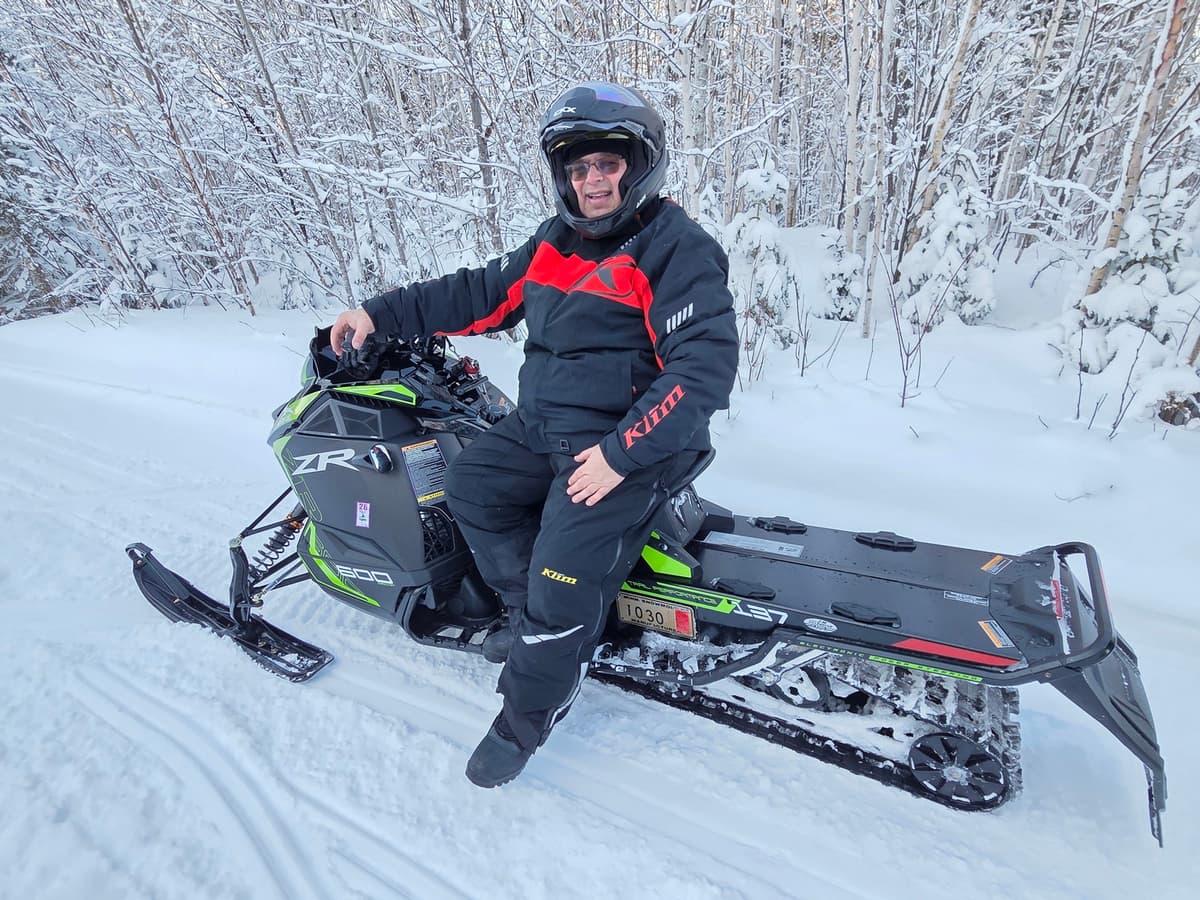
Conclusion: First Impressions of the ZR 600 EPS 2026
This first contact with the ZR 600 ES EPS 2026 is more than convincing. The Catalyst platform is intuitive, the C-TEC2 600 engine stands out with its lively character, and the power steering adds genuine comfort. Overall, the engine—transmission package is remarkably smooth and efficient.
My testing will continue over the coming weeks. I will certainly make suspension adjustments as I approach the end of the break-in period, and trail conditions are bound to evolve as the season progresses. You will be able to follow the full progression of this long-term test on Motoneiges.ca, along with periodic impressions shared on our social media channels.
Until then, I wish you an excellent season—and I’m already looking forward to the next ride.