



Within the industry — and I’ll include myself in that group — plenty of people expected Polaris to swing for the fences for 2027.
After all, the Matryx platform has been around for a few seasons now. And while riders still love it for its precision and balance, the normal product cycle usually points to an evolution: a revised chassis, more rigidity, new materials, or a meaningful weight-cut to push dynamic performance even further.
In short, the signals seemed lined up for a next-generation move.
On the engine side, some observers were also watching for an updated 650 — an already versatile and well-regarded powerplant — while quiet talk circulated about a turbocharged version of the Patriot 9R. That kind of package could deliver a real power bump without the added complexity and extra hardware that typically comes with the 850 Boost.
It’s the kind of technical sweet spot that always gets experienced riders’ attention.
At first glance, then, you could assume Polaris is playing it safe for 2027. No all-new platform. No revolutionary engine. No headline-grabbing pivot.
But that take doesn’t hold for long.
Because when you put all the pieces together — new models, strategic repositioning, a push into utility and value segments, targeted tech refinements, and the consolidation of key platforms — one conclusion becomes obvious:
👉 Polaris isn’t having a quiet year.
👉 Polaris is setting up what comes next.
More importantly, the brand is acting like a manufacturer that knows exactly where it stands in the market.
This isn’t a reaction strategy anymore — it’s a control strategy.
Polaris is also framing its 2027 lineup as a confidence-building generation, with snowmobiles designed to deliver predictable handling and keep the rider at the centre of the experience.
A deliberate strategy: restoring confidence in the market
One theme stands out in Polaris’ messaging this year: stability.
The manufacturer is emphasizing:
- more disciplined inventory management
- a healthier dealer network
- keeping the SnowCheck model to preserve exclusivity
Strategic positioning
A brand that controls production protects resale value, limits aggressive discounting… and reinforces a premium perception.
In a market still feeling the aftershocks of the post-pandemic years, that message lands with real weight.
Even more telling: Polaris says it has delivered more than 50 quality improvements recently across its products.
That’s not the kind of language you use when you’re trying to catch up.
That’s a leader protecting its advantage.
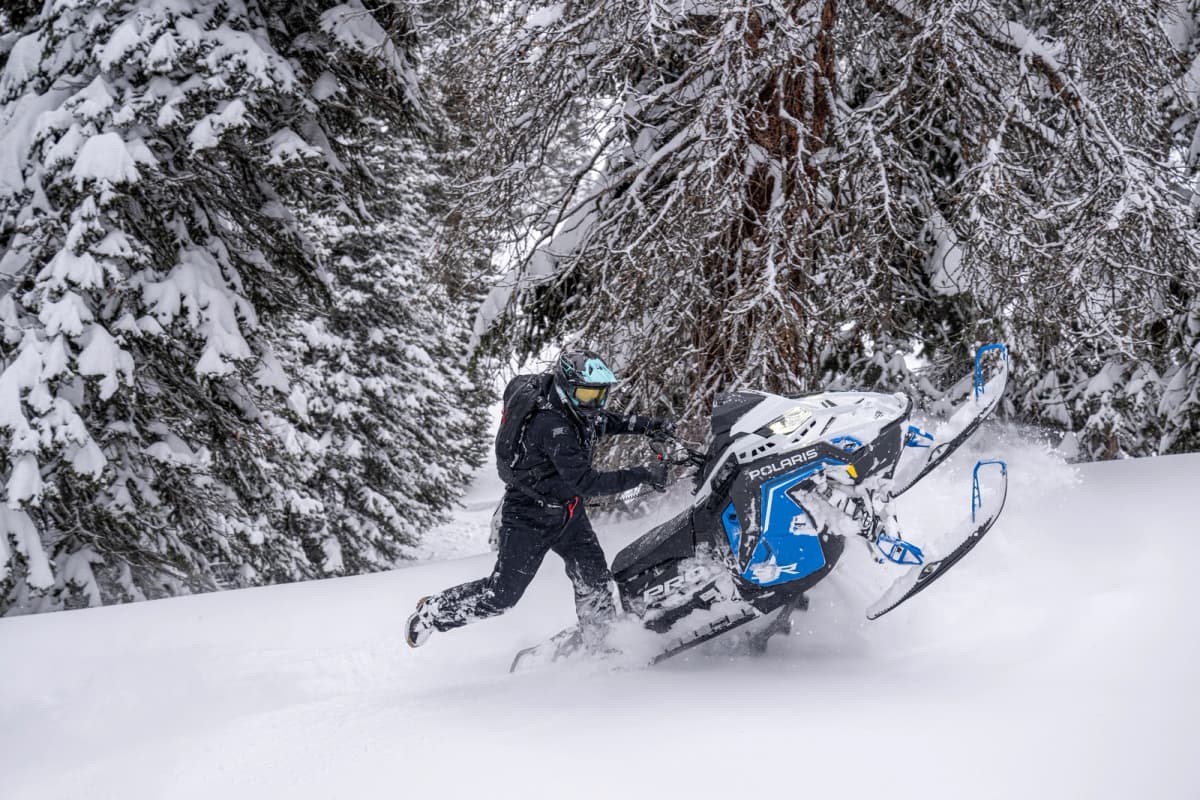
RMK Factory Edition: built for battle
If you had to name the machine that best captures Polaris’ mindset for 2027, this is probably it.
The RMK Factory Edition isn’t an evolution.
It’s a statement.
Available exclusively through SnowCheck — a far-from-random decision — it serves as a true technology showcase.
What really changes:
- All-new rear suspension
- FTS length inspired by the Khaos
- 210 lb “Pro” RTS spring
- Reinforced rails — 40% stronger than a standard RMK
- WER Velocity Factory Edition shocks
- 1.75 in up front and on the RTS
- 2.0 in on the FTS
- More aggressive calibration to reduce bottoming
- Repositioned IFS reservoirs
- HD springs
Power options:
- Patriot 9R
- Patriot Boost
Tracks:
- Series 8 (2.75)
- Series 9 (3.25)
- 155-inch length only
It weighs roughly 10 lb more than a Khaos…
but costs less than $1,000 more.
Analysis
In other words — tougher, more aggressive… for a nearly negligible weight penalty.
That’s exactly the kind of equation hard-charging riders look for.
Major strategic positioning
Polaris is pushing its production sleds dangerously close to race-level hardware.
And when the line between production and competition gets blurry…
the competition should pay attention.
RMK SPS: making mountain riding more accessible
Another strong signal: Polaris wants to widen the funnel.
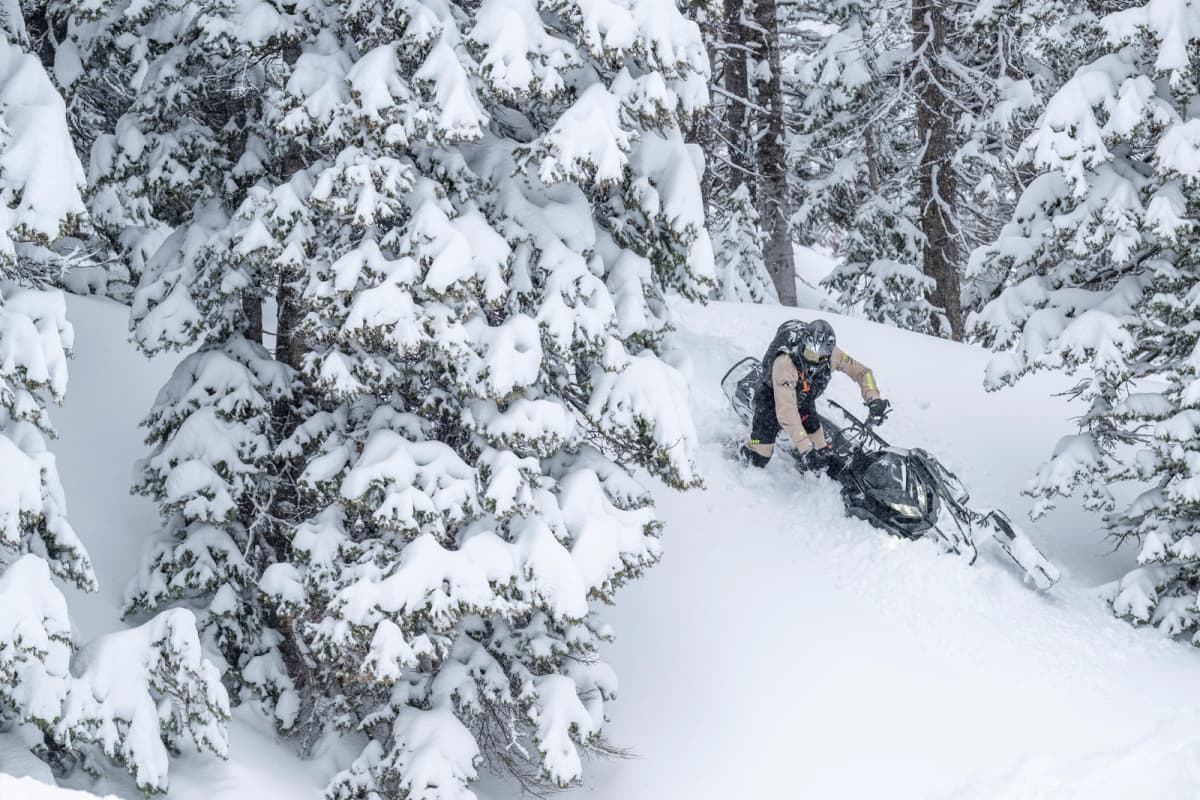
The RMK SPS Matryx Slash creates a more realistic entry point into off-trail riding:
- IFP shock package
- short Matryx chassis
- price positioning under $20,000 CAD
- in-season availability (SP and SPS)
Analysis
In a world where sleds can easily cross the psychological $25,000 line, this type of model becomes strategic.
Polaris isn’t only chasing the elite.
Polaris is recruiting.
RMK and inflation: a surprisingly smart message
One comparison has been making the rounds:
👉 In 2019, an RMK 850 cost $14,299.
👉 Adjusted for inflation, that’s close to $18,700 today.
Yet an RMK SP 2027 starts around $14,999.
Strategic positioning
Polaris isn’t just talking price.
Polaris is talking real-world value.
And in today’s economic climate, that’s a powerful weapon.
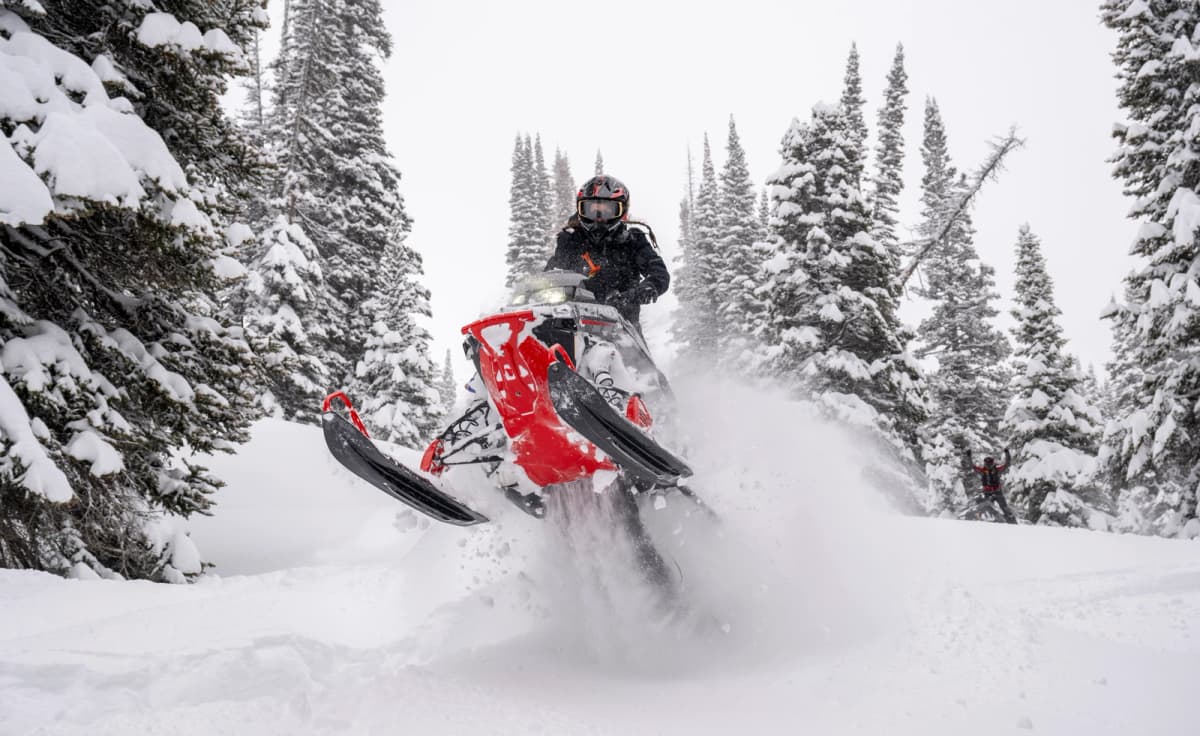
INDY VR1: performance… your way
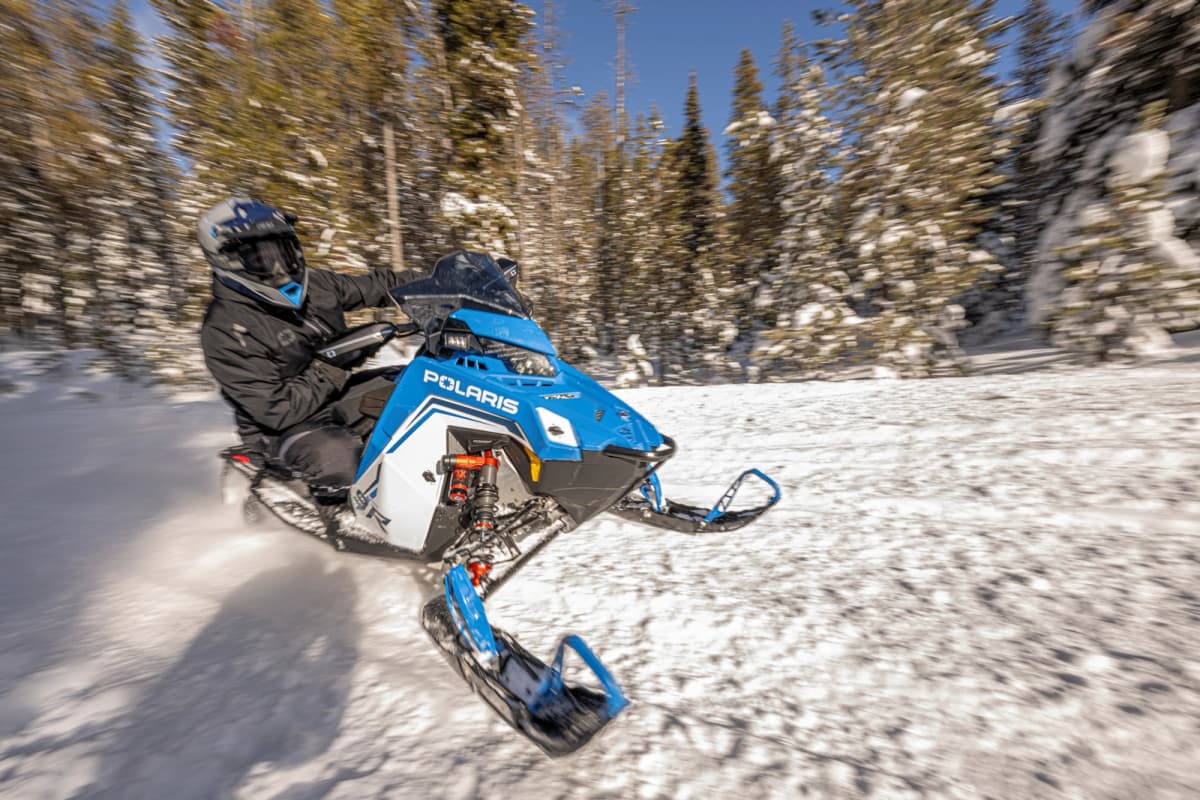
The VR1 remains one of the pillars of high-performance trail riding.
Big news:
👉 The Patriot 9R is now available with or without Dynamix suspension.
Two philosophies:
- adaptive technology
- or pure mechanical calibration
Analysis
Instead of forcing one solution, Polaris lets the rider choose the experience.
That’s a genuinely mature approach.
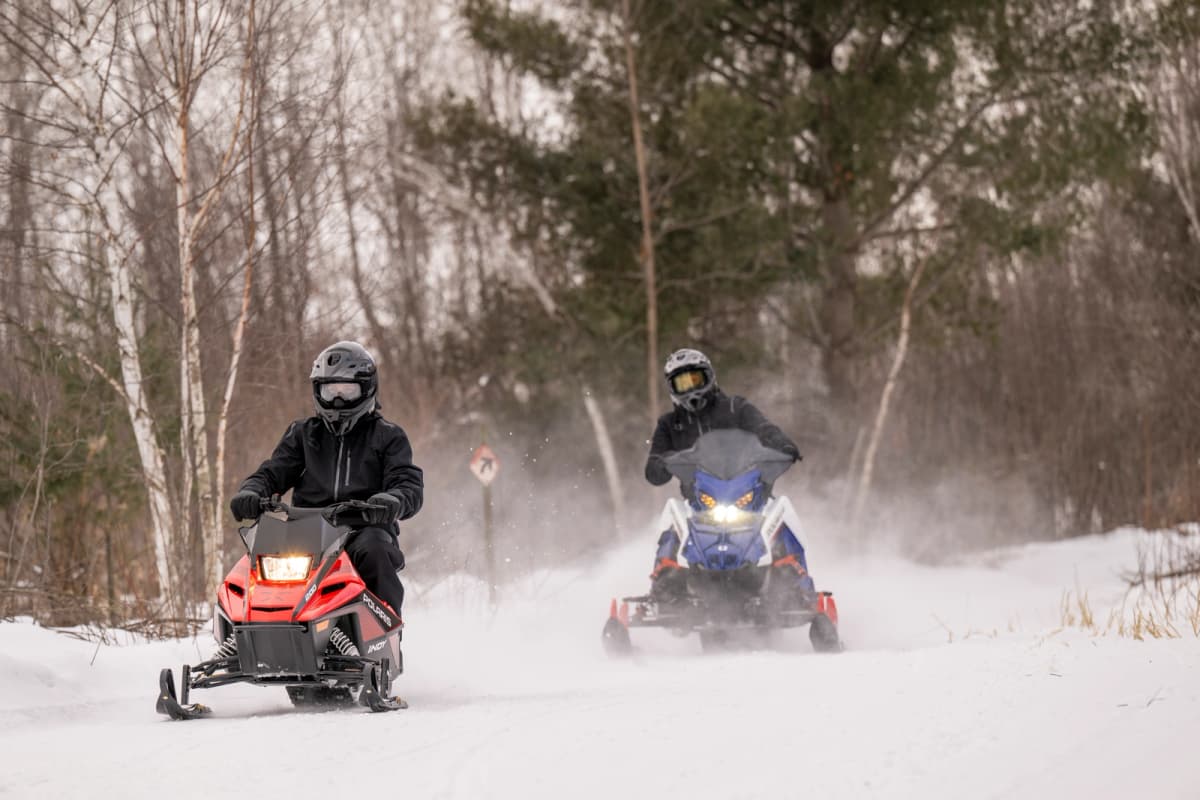
INDY 200: investing in the sport’s future
Among the performance and capability headlines, one announcement could fly under the radar — but it’s anything but minor.
With the INDY 200, Polaris is sending a clear signal: the brand isn’t only thinking about next season — it’s thinking about the next generation of riders.
Built on a proven, trail-certified platform, this sled offers a reassuring approach for young riders:
- intuitive learning curve
- age-appropriate power delivery
- predictable handling
- confidence-building ergonomics
Analysis
Creating a true entry point into snowmobiling is never a small strategic detail.
In an industry where rider renewal is a very real challenge, making the sport easier to access becomes just as important as launching a high-performance model.
On that front, Polaris is showing a particularly clear read of the market.
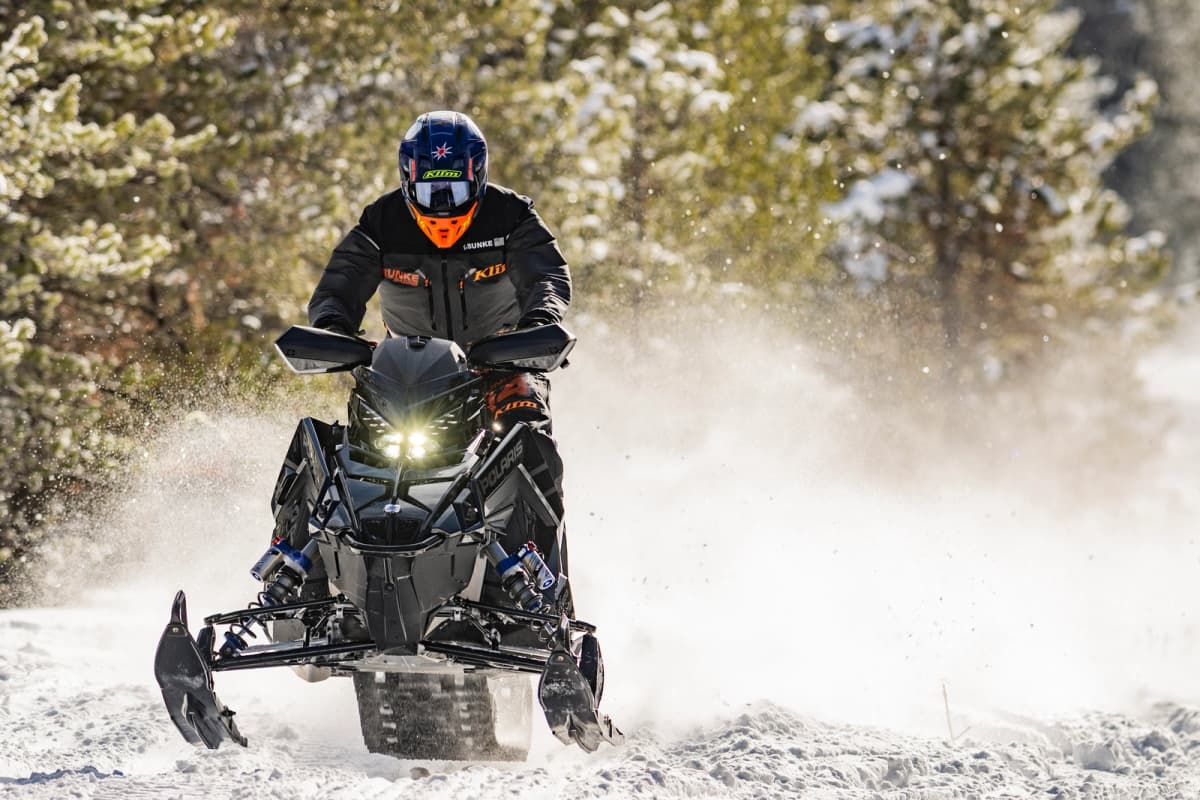
XCR: when radical becomes the signature
Here’s something revealing:
👉 No major changes for the XCR in 2027.
Why?
Because it already works.
Its suspension remains calibrated 30% more aggressively than a VR1.
This is a sled built to take punishment:
- rough trails
- repeated hits
- high-commitment riding
Strategic positioning
Sometimes doing nothing is the smartest decision.
It confirms one thing:
Polaris knows when a product has reached maturity.
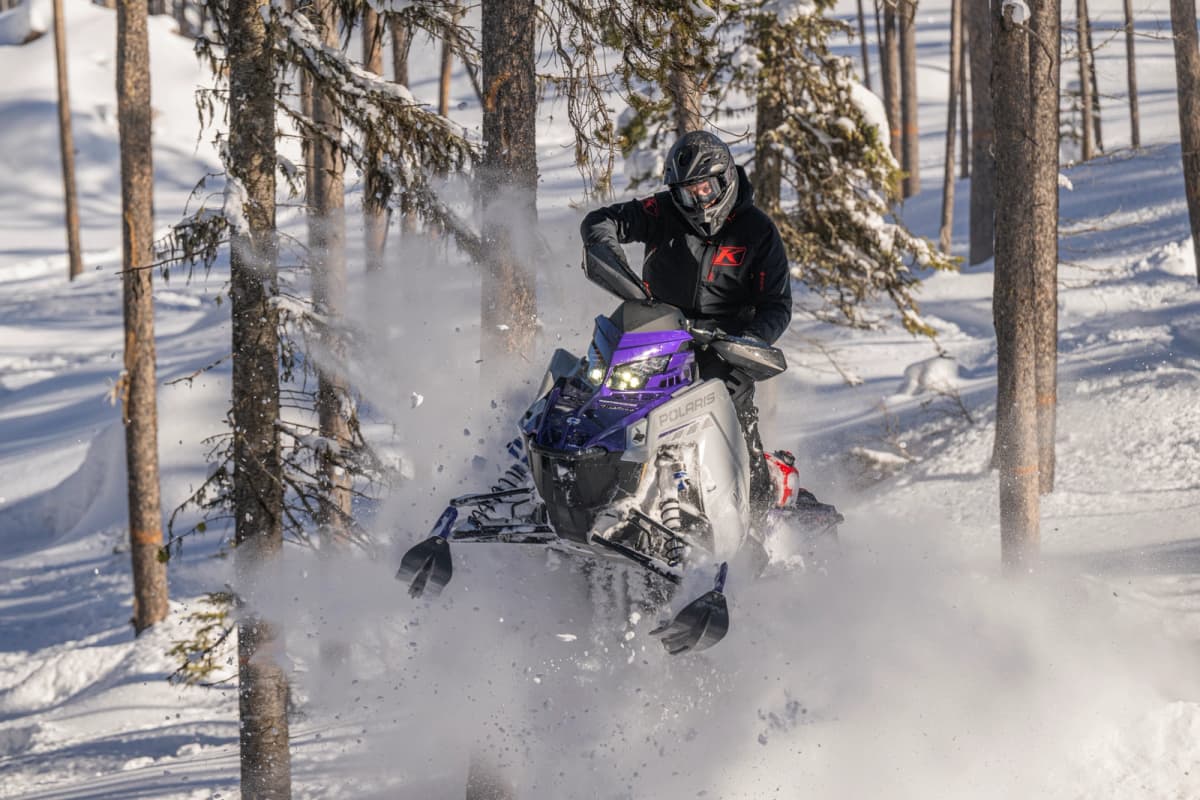
Switchback Assault 146: redefining crossover
The Switchback Assault isn’t just a compromise.
It’s a platform designed to deliver the best of both worlds.
Two very different personalities:
Escape
👉 Off-trail agility
But make no mistake — this is NOT a narrow setup.
We’re talking about a front end derived from the RMK.
Race
👉 Trail-optimized behaviour
Steel A-arms
Wider geometry
Power options:
- Patriot Boost
- Patriot 9R
- 850
Tracks:
- from 1.35 Cobra to 2.0 Crossover
7S display standard.
Analysis
Polaris isn’t doing generic crossover anymore.
They’re even segmenting… the crossover category.
That’s a level of product precision you rarely see.
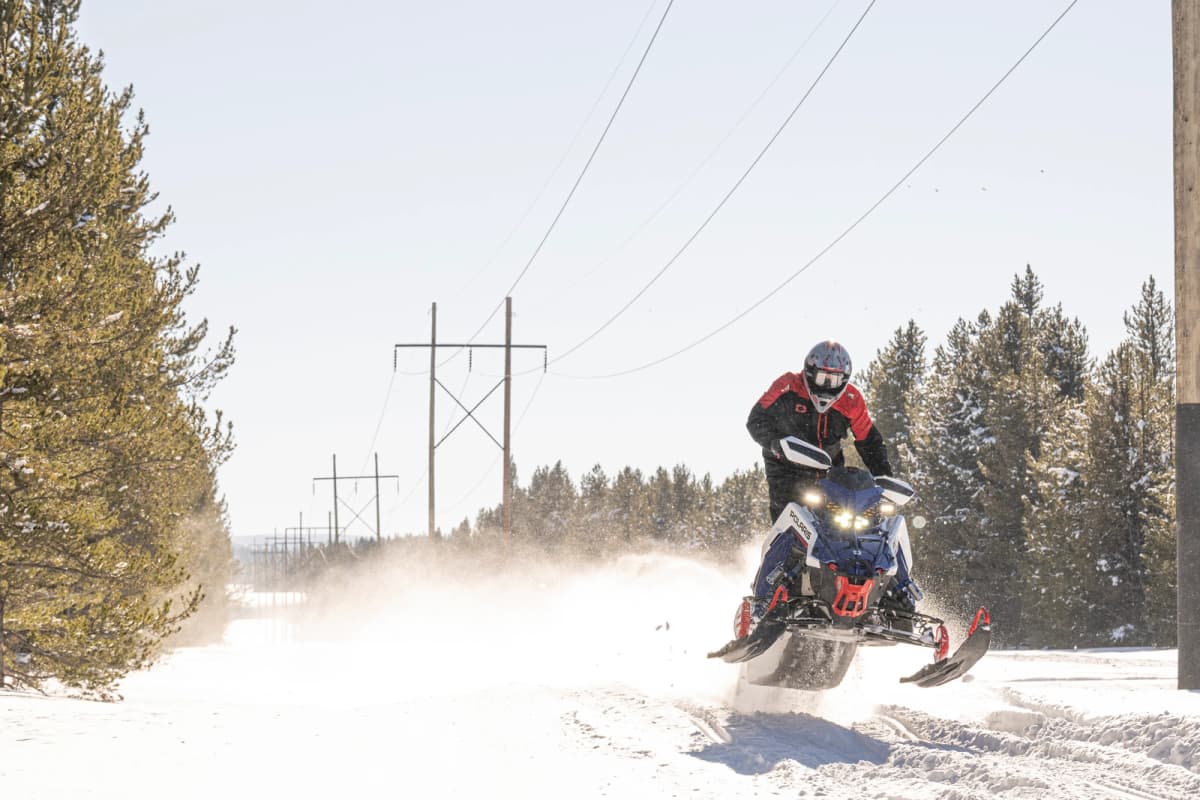
Voyageur: the surprise from the North
One of the most fascinating decisions this year is the arrival of the Nordic Pro model.
And the story behind it matters.
👉 These sleds are extremely popular in Scandinavia — and Polaris decided to bring them to North America.
Why?
Because those markets demand:
- durability
- versatility
- range
- cargo capacity
Exactly what more riders here are starting to prioritize as well.
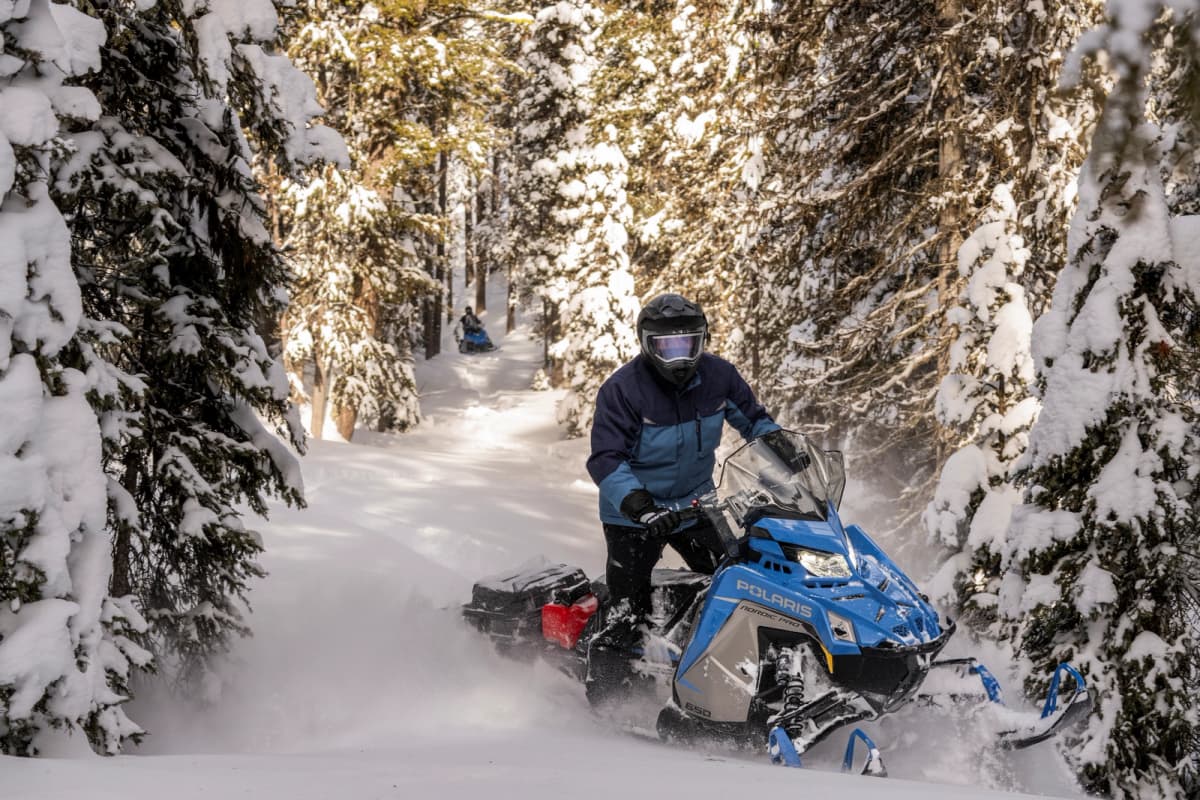
Voyageur 155: the modern utility sled
Matryx platform (15-inch)
BackTrak15 articulated rear suspension
High-clearance IFS (39–41 in)
TrailBreaker skis
Power options:
- Patriot 650
- new ProStar S4
Capacity:
- towing: 450 lb
- rack: 50 lb
Tracks:
- 1.6 Cobra
- 2.0 Crossover
Analysis
This isn’t old-school utility.
This is smart utility.
A sled that can work… without killing the fun.
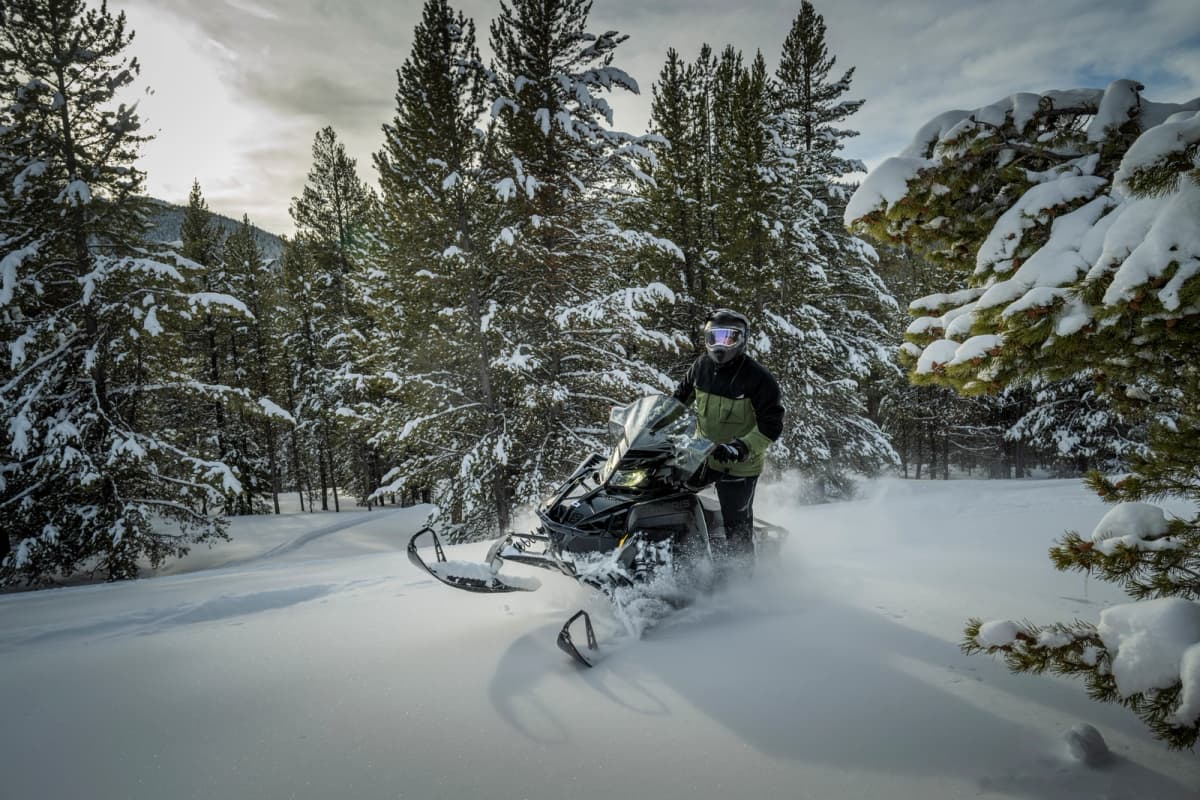
Titan Nordic Pro: the sled that never clocks out
If the Voyageur is impressive, the Titan takes it even further.
High / Low / Neutral / Reverse transmission
Under-hood radiator
Integrated Titan rack
Work light
Standard hitch
BackTrak20 suspension
FOX QS3
Engines:
- Patriot 850
- ProStar S4
Strategic positioning
Polaris is sending a very clear message:
👉 The utility segment deserves the same engineering seriousness as performance.
And that segment is growing.
Fast.
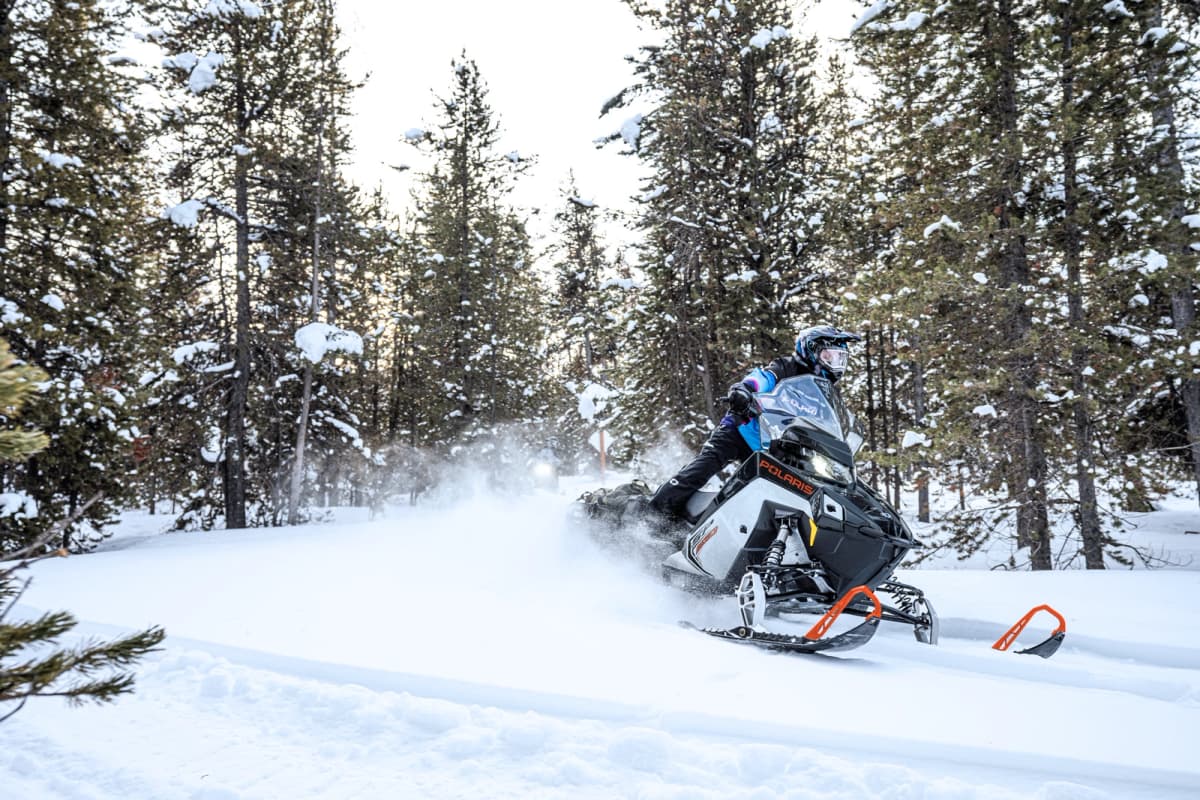
The push for affordable models
Polaris is leaning hard into this point.
Several Matryx sleds are priced under $15,000 USD, including:
- INDY SP 137
- Switchback SP 146
- RMK SP
- Voyageur SP
Analysis
In a market where plenty of riders are hesitating to replace their sled…
Polaris is removing a major barrier: the entry price.
That’s a very smart acquisition strategy.
The ProStar S4: a powerplant set to matter more
The S4 engine is now showing up across multiple utility and hybrid platforms.
And one detail raises eyebrows:
👉 The 2026 S4 Indy reportedly received approval to operate inside Yellowstone National Park.
If that’s confirmed — and that kind of approval is notoriously strict — it says a lot about:
- emissions
- noise
- reliability
Strategic positioning
That kind of validation works like a credibility stamp.
Ride Command and the 7S display: tech that’s now non-negotiable
Polaris continues to lean into a major advantage:
- off-grid navigation (no cell service required)
- group tracking
- over 380,000 miles of trails
- a snowmobile-first interface
Analysis
We’re watching a quiet shift:
Screens aren’t a luxury anymore.
They’re becoming a buying criterion.
Big-picture take: Polaris is acting like a dominant manufacturer
This launch doesn’t hinge on one spectacular headline.
It hinges on something far more powerful:
👉 engineering consistency.
Polaris:
- strengthens its mountain lineup
- structures crossover with precision
- modernizes utility
- invests in the next generation
- protects accessibility
And above all…
it moves without rushing.
Major strategic positioning
Polaris doesn’t look like it’s chasing the market.
Polaris looks like it’s setting the pace.
And in an industry this competitive, that changes everything.
Verdict: a bigger year than it looks
No — Polaris isn’t reinventing snowmobiling in 2027.
But the brand may be doing something even smarter:
👉 it’s solidifying its foundation.
Because the years that shape leadership aren’t always the most spectacular…
They’re often the ones where every decision feels calculated.
And 2027 looks exactly like that kind of year.
So what’s next?
Over the coming days, we’ll publish several Polaris 2027 ride impressions and tests following SnowShoot.
Stay tuned to SledMagazine.com to discover:
- our team’s favourites
- our on-snow first impressions
- and the sleds most likely to define next season
One thing is already clear:
👉 Polaris didn’t just prepare a new lineup.
The manufacturer set the stage for what comes next.