


The snowmobile industry is evolving at a rapid pace, and each year brings its share of innovations, surprises, and technological boldness. But if there’s one manufacturer that is generating the highest expectations for 2027, it’s Polaris. This article is, therefore, an exercise in predicting the Polaris 2027 lineup.
Polaris is known for its forward-thinking mindset, aggressive R&D approach, and ability to reshape the industry. In my opinion, the American manufacturer appears to be preparing a model year that could significantly transform the snowmobile landscape. I want to state upfront that this article is purely speculative, and that I have no privileged information regarding Polaris’ 2027 releases.
First, I think a bit of a mea culpa is in order. I don’t know about you, but the 2026 model year left me somewhat underwhelmed. I feel the Roseau-based manufacturer played it safe. My article on the subject spoke of innovation and refinement. That polite wording was meant to explain that there were no major breakthroughs. In short, nothing that really knocked us off our chairs.
This year, however, rumours are multiplying and technological trends are becoming clearer. So here are my most credible and most anticipated predictions for Polaris snowmobiles in 2027. On the agenda: electrification, a new rear suspension, a turbocharged four-stroke engine, and an even lighter RMK lineup.
Polaris 2027 Electrification: A Transition That Has Become Inevitable
To start, I believe we will finally see an electric snowmobile from Polaris. The transition toward electric vehicles has become unavoidable in the powersports industry. Environmental pressures, technological advances, and the growth of electric recreational vehicles are pushing manufacturers to rethink their strategies. To date, Polaris has already taken the lead in other segments, particularly with its electric side-by-sides. However, it is still lagging behind its competitor Ski-Doo in the snowmobile market.
Could 2027 be the year Polaris finally unveils a 100% electric snowmobile? The big question remains: which model will be chosen for this transition?
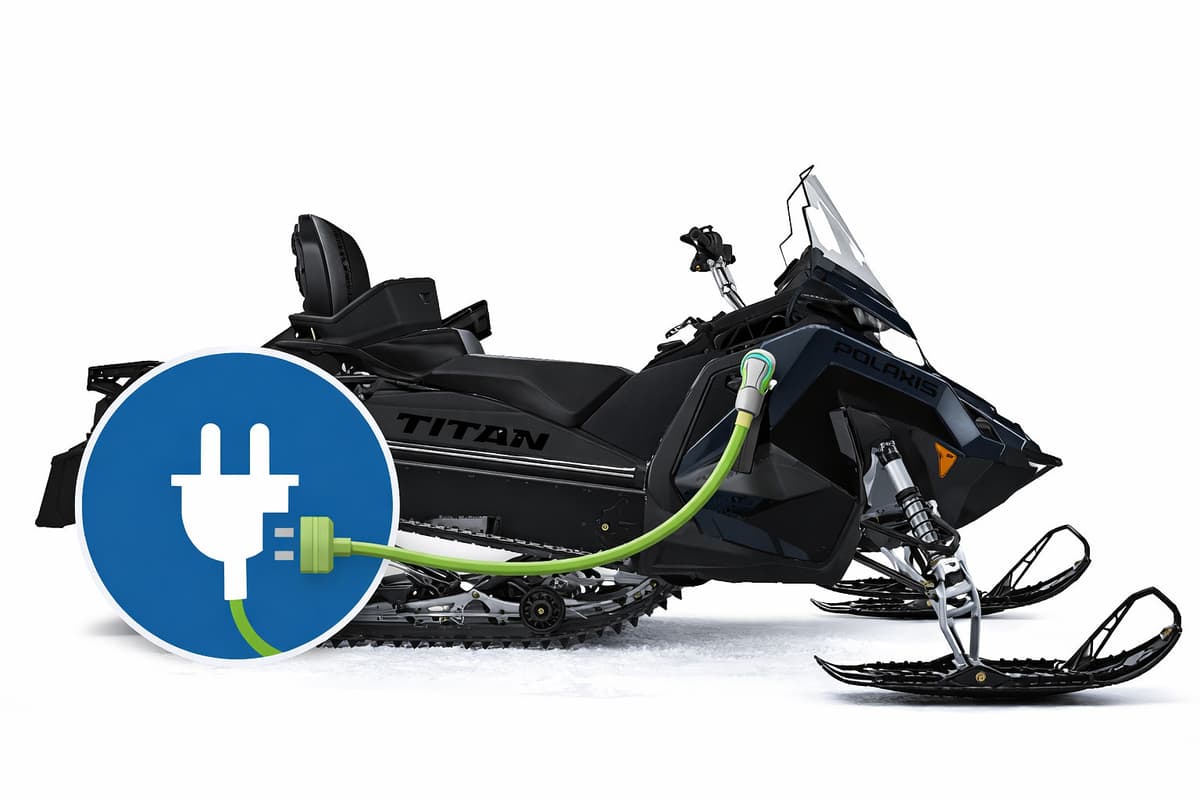
Electric Polaris TITAN: the ideal snowmobile for electrification?
Among all its models, the TITAN strikes me as the most logical candidate to receive Polaris’ first electric powertrain. Let me explain why.
The Utilitarian Vocation of the Polaris TITAN
First, the TITAN’s utilitarian nature lends itself perfectly to electrification. Electric snowmobiles offer major advantages when used in specific contexts. I’m thinking of scenarios that require instant torque and stable traction, where top speed is not the priority. These vehicles are also ideally suited to shorter, but more frequent routes.
The TITAN perfectly fits this type of use: hauling loads, towing, utility travel, groomed trails, and predictable terrain. In my view, these characteristics make it the perfect candidate for electrification.
Natural Stability and Width in This Segment
Second, the TITAN’s wider stance makes it more stable and better balanced than a mountain snowmobile. This structure is ideal for accommodating a medium to large battery, a properly adjusted centre of gravity, and an optimized cooling system. In my opinion, the narrower platform of a mountain snowmobile would impose far greater thermal and structural constraints.
Weight Is Less Critical for a Utility Model
Third, we need to consider vehicle weight. The main challenge of electric snowmobiles is the weight of the battery. While high-performance trail and mountain sleds go to great lengths to shed weight, the TITAN—already focused on strength and durability—can better tolerate an increase in mass.
A Utility Market Ready for Electric
Fourth, as we’ve seen in recent years, professional users are leading the charge when it comes to electrification. Patrol officers, operators, forestry workers, and national park staff are often among the first to adopt electric vehicles in their daily operations. There are several reasons for this trend:
- Low maintenance costs
- Near-silent operation
- Significant reduction in emissions and odours
- Improved reliability
- Excellent performance at low speeds
Will we see an electric TITAN from Polaris in 2027?
Based on this reasoning, I believe it’s realistic to think an electric version of the TITAN could debut in 2027. If this prediction comes true, here’s what I would expect:
- Range between 120 km and 180 km, depending on riding mode
- Improved charging times, potentially through modular or partially removable battery systems
- Extremely high instant torque, a natural advantage of electric motors
- Reduced noise and vibration, ideal for professional users and heavily trafficked trail systems
- Improved thermal management, a crucial challenge for electric snowmobiles in cold climates
In my opinion, announcing an electric TITAN in 2027 would be a logical, strategic, and solid decision for Polaris.
Longtail PRO-CC rear suspension: toward wider adoption at Polaris in 2027
As my second prediction, I believe Polaris will expand the use of its new longtail rear suspension across more models. Trail snowmobiles represent the most competitive segment in the industry, and Polaris has clearly understood that riders are looking for both comfort and pure performance. The Matryx platform has already improved responsiveness and handling, but in my view, one key piece is still missing to push performance even further: the rear suspension.
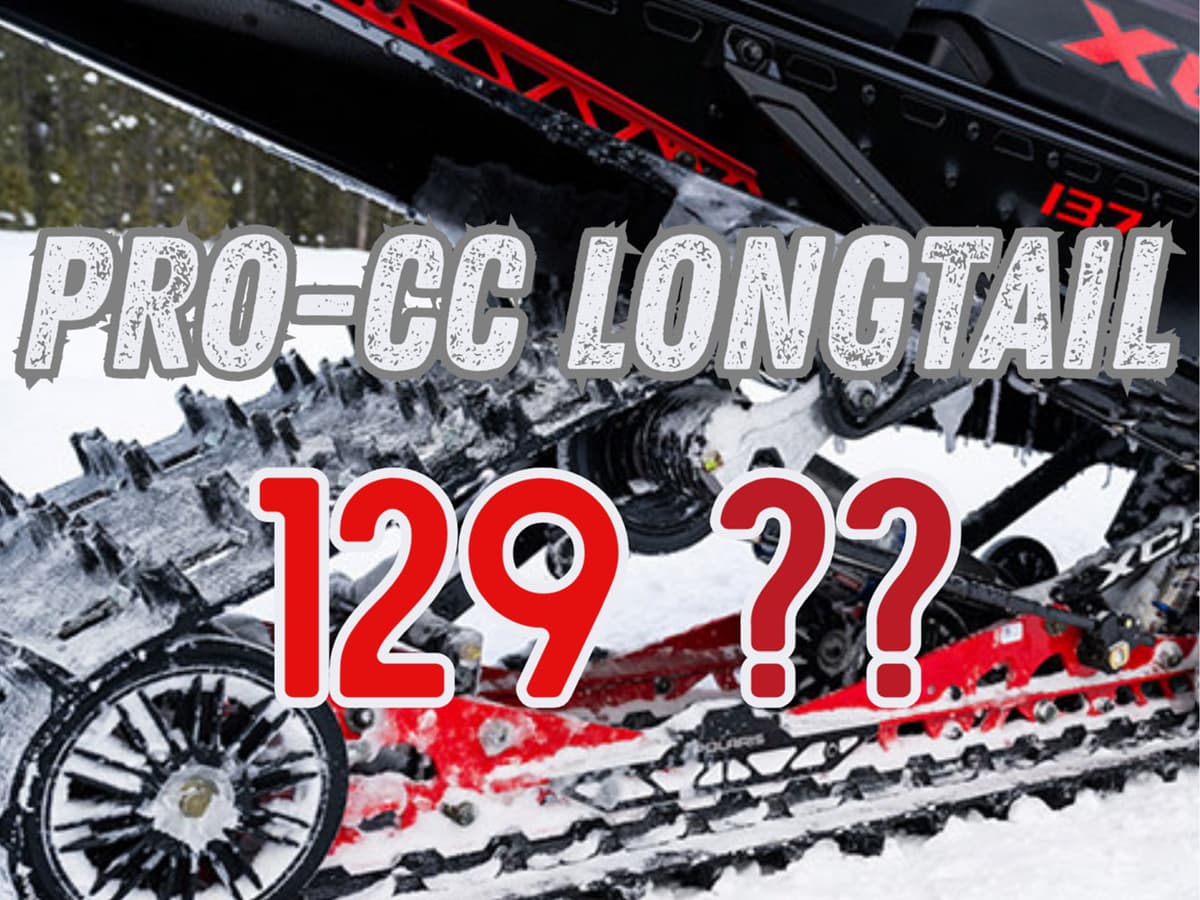
Possible introduction of the longtail PRO-CC rear suspension on the INDY XCR 129
Polaris introduced its longtail PRO-CC rear suspension last year on the INDY XCR 137 models. In my opinion, it would be a logical next step to see it finally make its way onto the INDY XCR 129 models in 2027.
Improved traction out of corners
The longtail PRO-CC rear suspension features an extended rear arm, resulting in better bite, increased grip, cleaner acceleration, and reduced track spin.
Improved stability at high speeds
By adding the longtail suspension to the XCR 129, Polaris would improve straight-line precision and comfort in rough terrain, while also increasing resistance to lateral drift.
Optimized bump absorption
The longtail PRO-CC suspension reduces bottoming and delivers a more controlled, balanced ride, reinforcing the INDY XCR’s dominance on the trail.
The possible return of a turbocharged four-stroke engine at Polaris in 2027
My third prediction involves the potential arrival of a new turbocharged four-stroke engine. Do you remember the famous 750 cc Weber turbo engine? It could produce up to 160 horsepower in “overboost” mode, but its weight ultimately led to its demise.
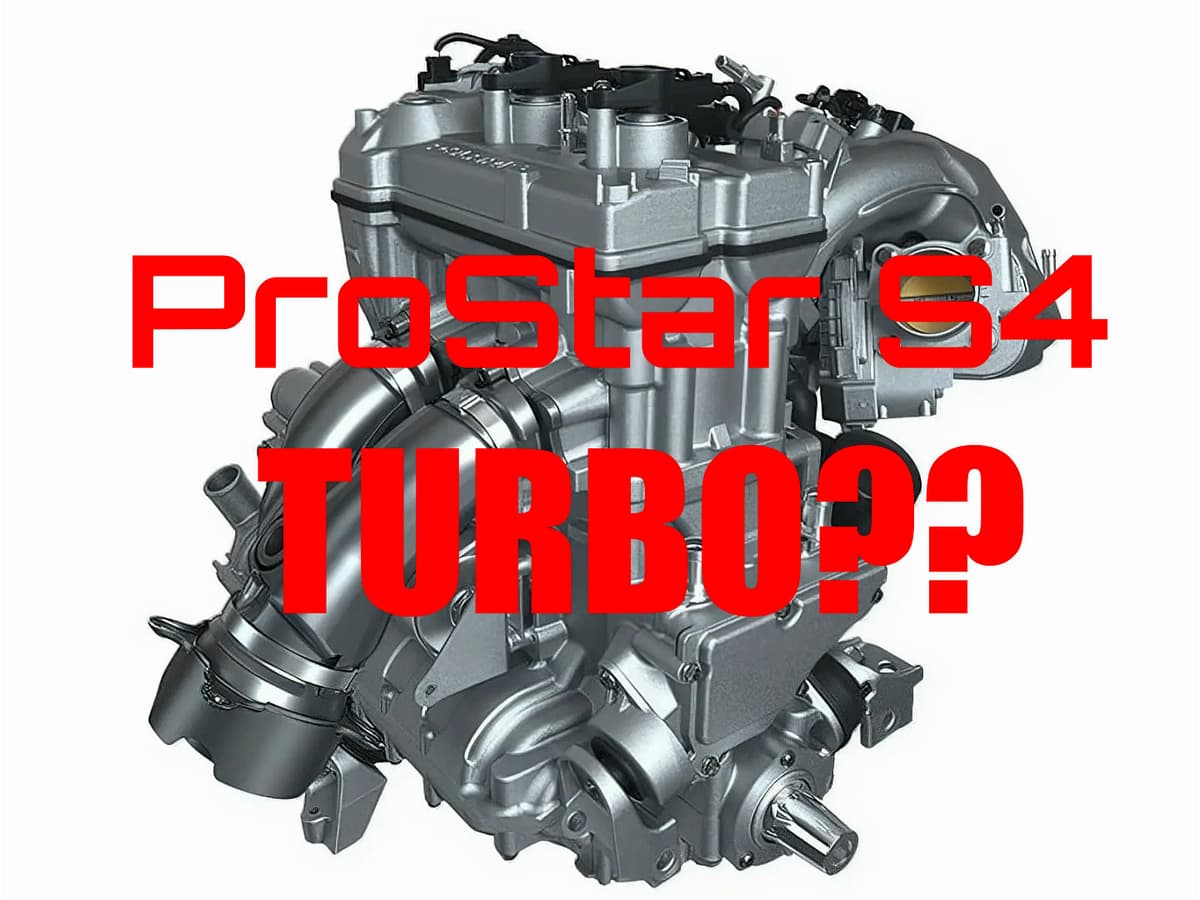
The ProStar S4 marked a step forward, but in my view, the lineup is still missing a turbocharged four-stroke option.
ProStar S4 turbo: a bomb in the making at Polaris?
With a turbo, the ProStar S4 could easily surpass 150 horsepower and deliver massive, low-end torque, ideal for towing, long-distance riding, fast trails, and utility applications.
RMK 2027 Models Even Lighter and More Radical
In the mountain category, Polaris has long dominated thanks to light, agile RMK snowmobiles. To remain on top, further weight reduction and refinement are inevitable in 2027.
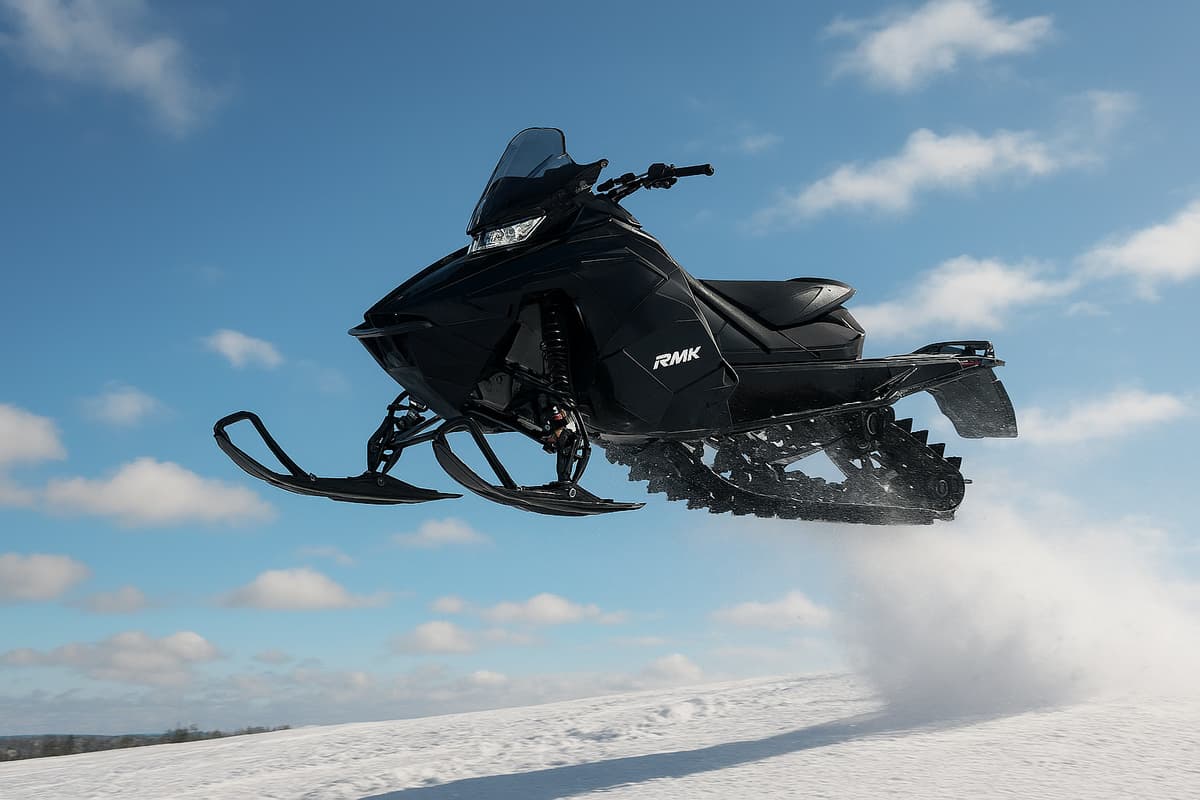
Polaris 2027: A Model-Year That Could Change the Game
If even part of these predictions becomes reality, Polaris could make a major statement and reposition itself at the forefront of snowmobile innovation.