

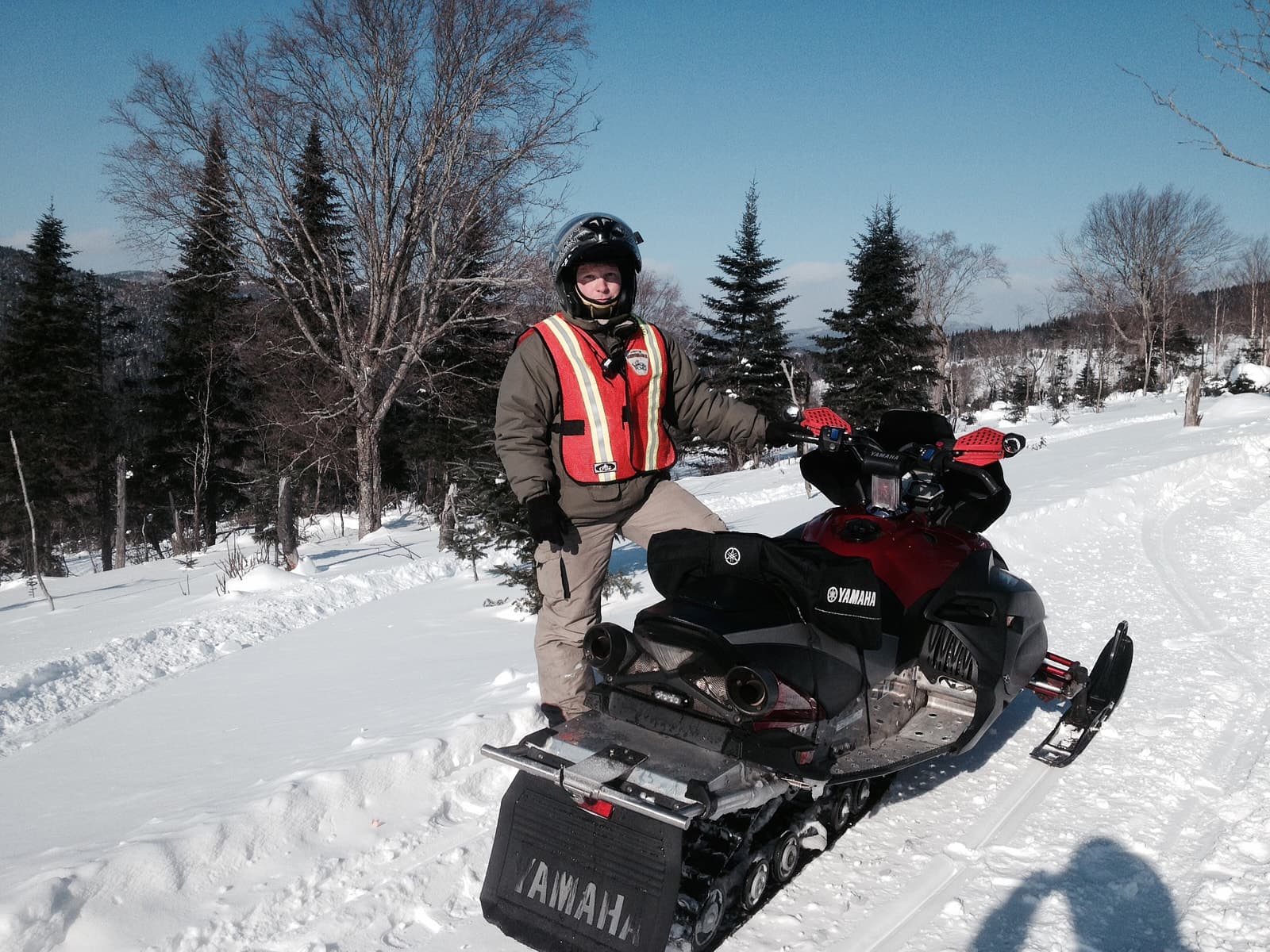

Powers and Duties of Trail Patrol Officers in Quebec
In Quebec, trail patrol officers (TPOs) patrol the trail networks of off-road vehicle (ORV) clubs, including snowmobile trails. However, their role remains poorly understood by many users. Yet, these officers are granted official powers under the law. In this article, I clarify the role of trail patrol officers and the legal framework that governs their duties.
Their Mission: Vigilance, Prevention, and Intervention
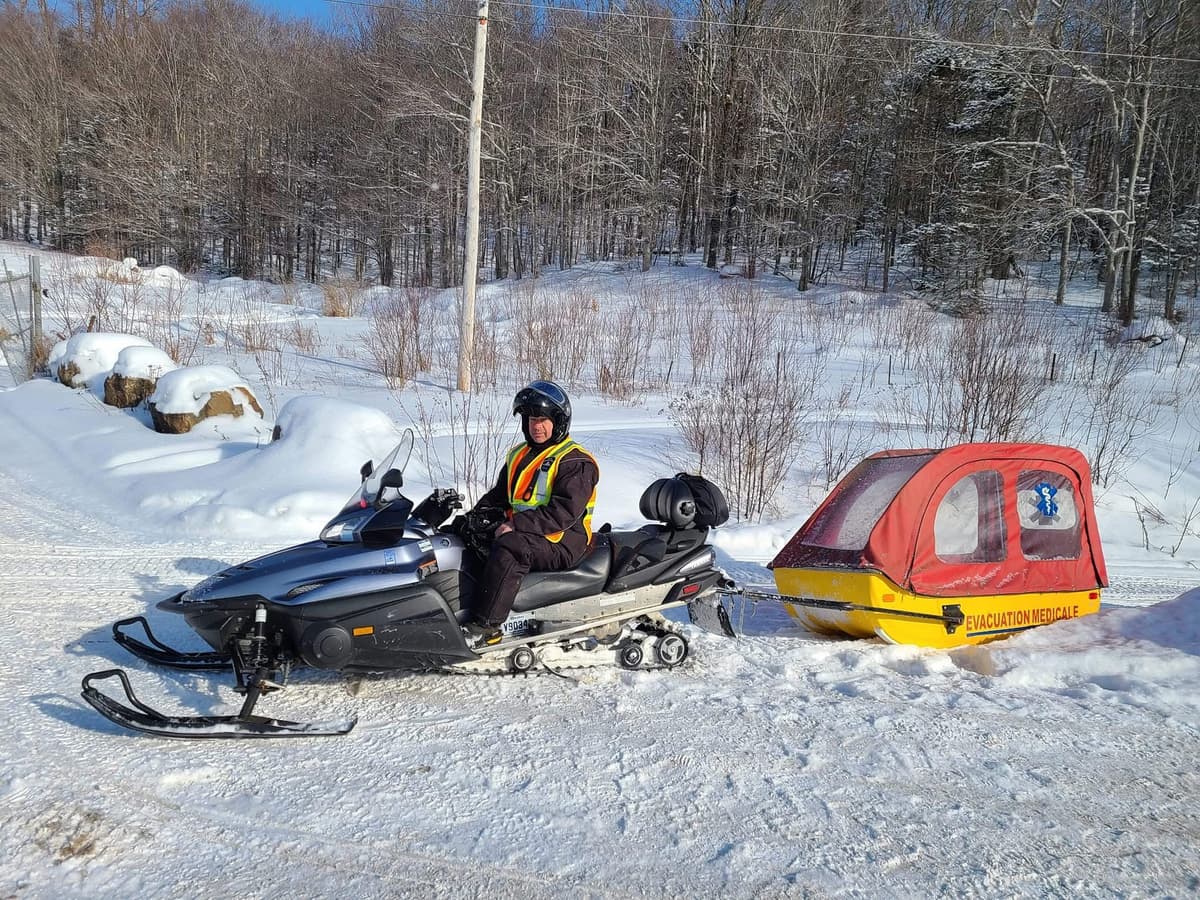
Trail patrol officers do more than simply ride off-road vehicles on the trails. Present in the field, they monitor trail conditions, help prevent incidents, and intervene when necessary. In the event of an accident, for example, their presence can save time—and sometimes lives.
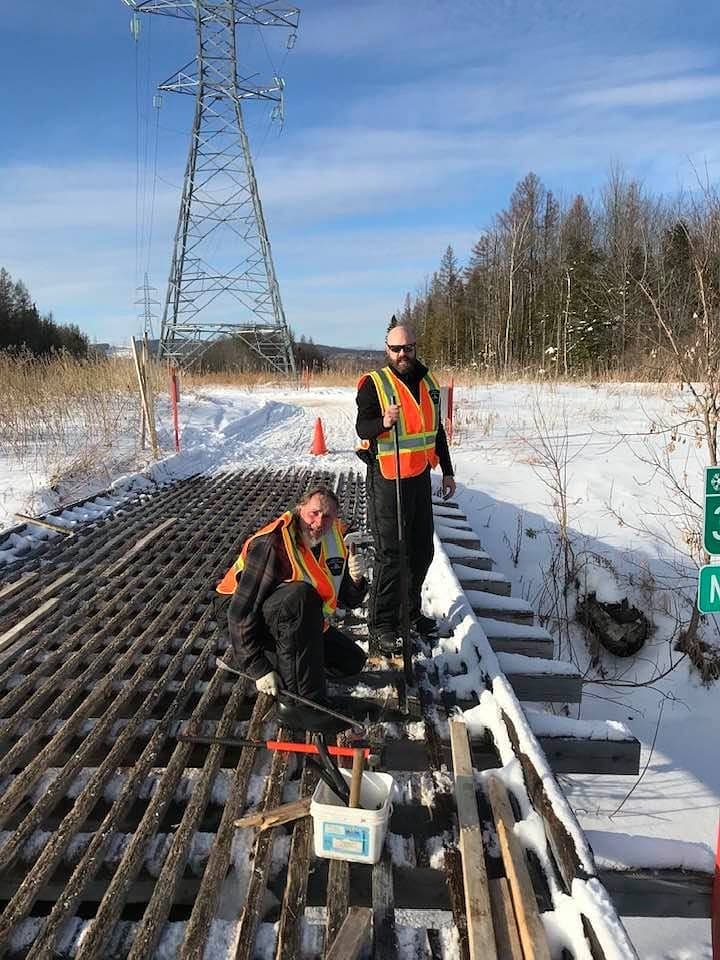
Trail patrol officers also verify signage, the condition of infrastructure, and compliance with access rights that are generously granted by landowners. By cooperating with them, you actively contribute to the sustainability of the trail network and help ensure safer trails for everyone to enjoy with confidence.
A Role Governed by the Act Respecting off-Highway Vehicles
The Act respecting off-highway vehicles defines the duties of trail patrol officers. According to section 89, clubs are responsible for developing, maintaining, and signing their trail networks. To fulfill these responsibilities, they may appoint their own officers or rely on federated patrol officers.
Two Categories of Trail Patrol Officers
To oversee ORVs and monitor trail networks, trail patrol operations are divided into two categories:
- Club officers: appointed locally by their club
- Federated officer: appointed provincially by the federation or association of clubs.
Both categories apply the same Act and exercise essentially the same powers and obligations.
Jurisdiction of trail patrol officers
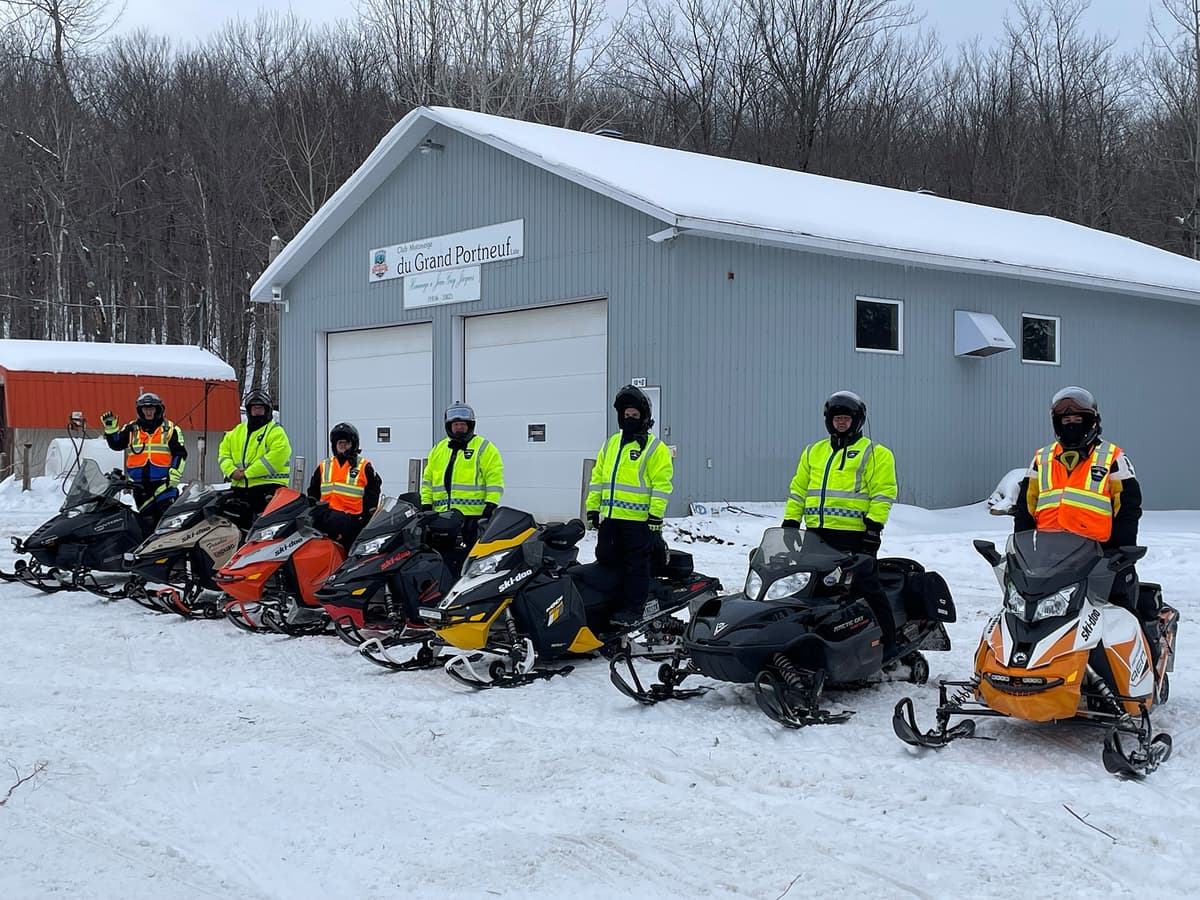
A trail patrol officer may patrol throughout the entire territory covered by their federation. However, some federations require officers to limit their patrols to the trails of their home club. A federated officer may also intervene outside designated trails if an ORV is operating there.
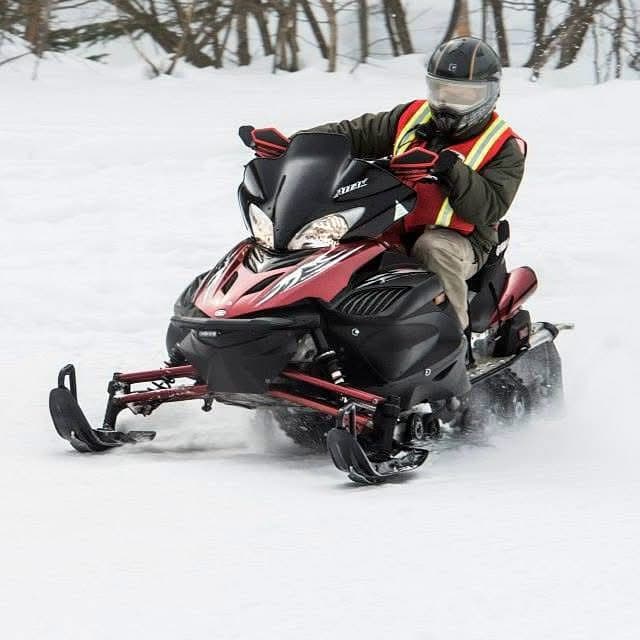
The Five Main Powers of Trail Patrol Officers
Document Verification and ORV Immobilization
Trail patrol officers are authorized to stop an off-road vehicle for inspection purposes. During such interventions, they may require you to produce certain documents:
- Driver’s licence;
- Proof of insurance;
- Vehicle registration certificate;
- Access permit for federated trails;
- Identification with proof of age.
If requested by an officer, these documents must be handed over directly.
Special Authority During Interventions
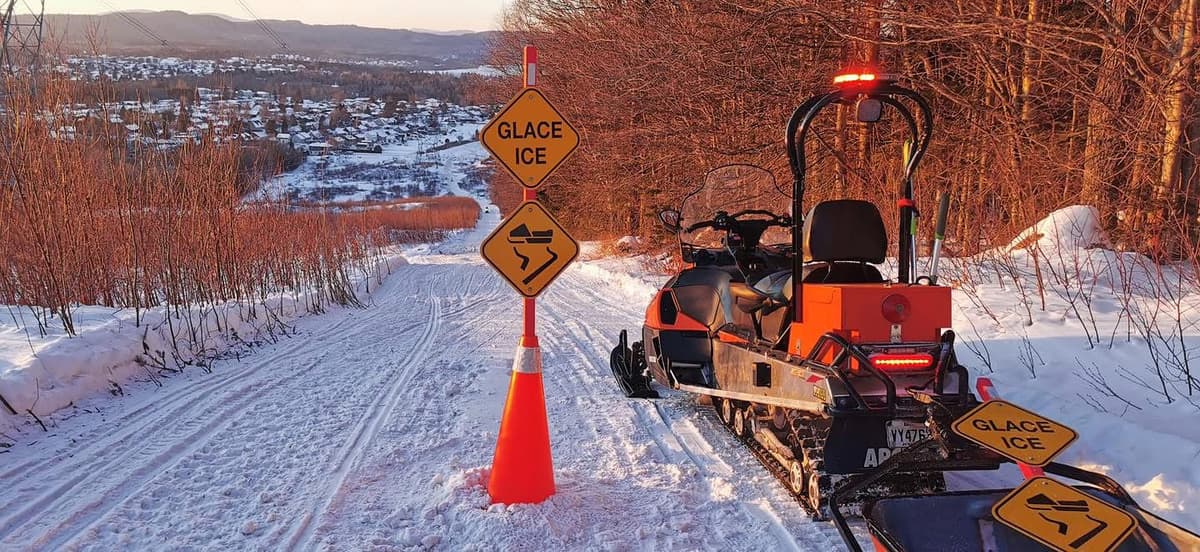
Section 38 of the Act respecting off-highway vehicles grants trail patrol officers decision-making authority in specific situations. An officer may issue orders even if they contradict posted signage. This may occur, for example, in the event of an accident, the presence of an obstacle, a grooming machine in operation, a weakened bridge, and similar situations. Failure to comply with such orders constitutes an offence.
Protective Gear Inspection
Section 52 of the Act respecting off-highway vehicles also authorizes officers to inspect the helmet worn by a driver or passenger. They may verify that the helmet is compliant, in good condition, and properly fastened. Refusing an inspection is also an offence.
Towing and Impoundment of a Non-compliant Vehicle
Section 100 of the Act respecting off-highway vehicles allows officers to have an ORV towed and impounded at the owner’s expense. Naturally, the officer must have valid grounds to apply this measure.
This power is used to put an end to an offence in order to protect users and preserve access rights. A snowmobile equipped with a modified or excessively loud exhaust system is a common example.
Reporting and Witnessing Offences
Trail patrol officers regularly take notes. In cases of offences, they may prepare reports that are forwarded to the appropriate authorities. An officer from the Quebec Provincial Police (Sûreté du Québec) or the responsible municipal police service will determine the next steps.
Common offences for which officers may act as witnesses and file reports include:
-
- Failure to obey traffic signage (e.g., stop signs);
- A child positioned between the handlebars and the driver;
- Modified exhaust system;
- Lack of valid trail access permit;
- Dangerous driving.
Trail patrol officers are also authorized to take photographs to document an offence or capture details of an accident scene.
Differences Between a Trail Patrol Officer and a Police Officer
Although trail patrol officers are granted legal authority, they are not police officers. Police officers are peace officers whose mandate is to enforce the law as a whole. Their authority extends to the Criminal Code of Canada, the Quebec Code of Penal Procedure, the Highway Safety Code, and the Act respecting off-highway vehicles. Unlike trail patrol officers, police officers have the power to detain, arrest, conduct searches, and carry out investigations.
Trail patrol officers, on the other hand, are designated as persons responsible for enforcing a specific law under section 87 of the Code of Penal Procedure. Their authority, as defined by that Code, is limited to the Act respecting off-highway vehicles. This status allows them to require proof of identity and documentation from users, reinforcing their credibility. They support law enforcement authorities and play a key role in monitoring trail networks.
Conclusion
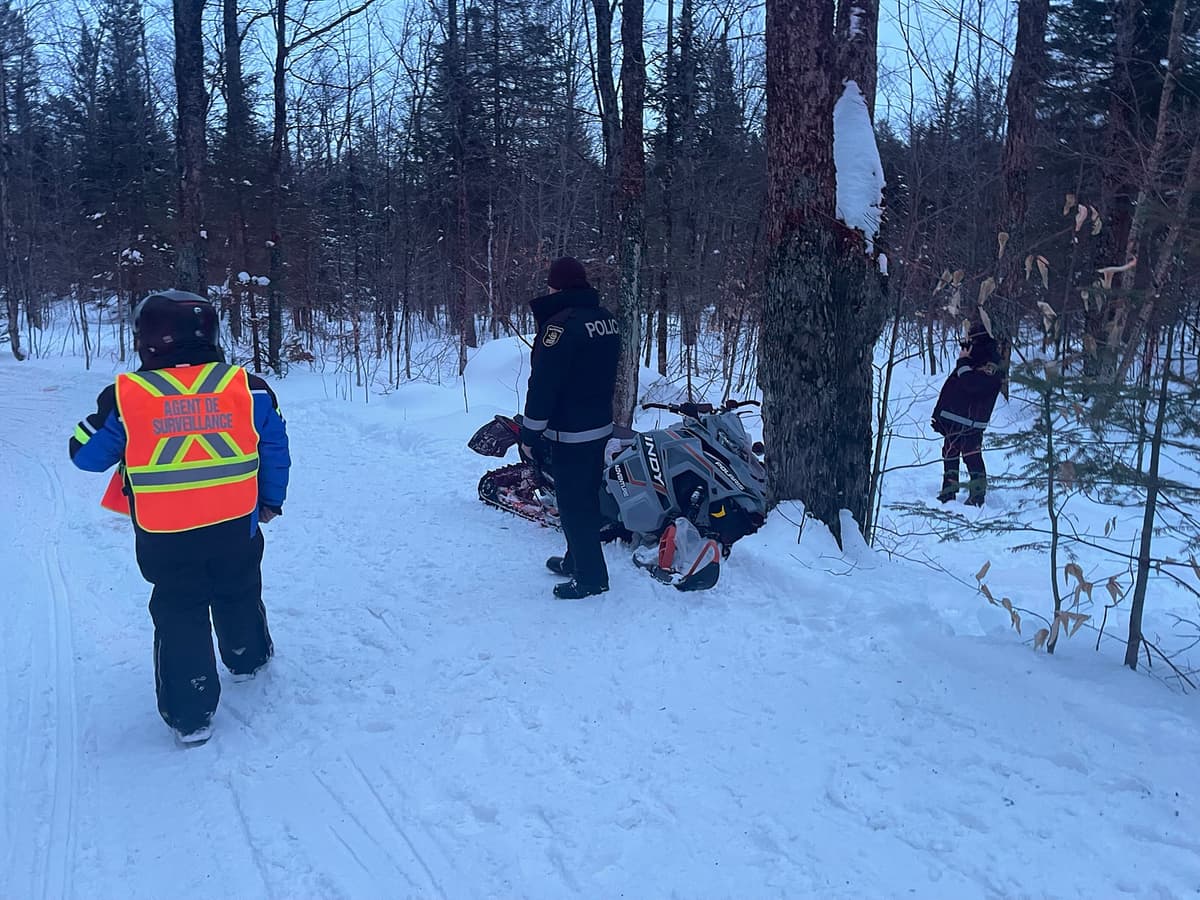
Trail patrol officers are not tour guides. Governed by law, their roles include observation, documentation, intervention, and prevention. As they are often the first responders on site while on duty, they act as a vital link between clubs, users, and the relevant authorities. Their constant presence reminds us that trails are regulated environments. Their vigilance—along with our cooperation—is an essential condition for a successful season.