

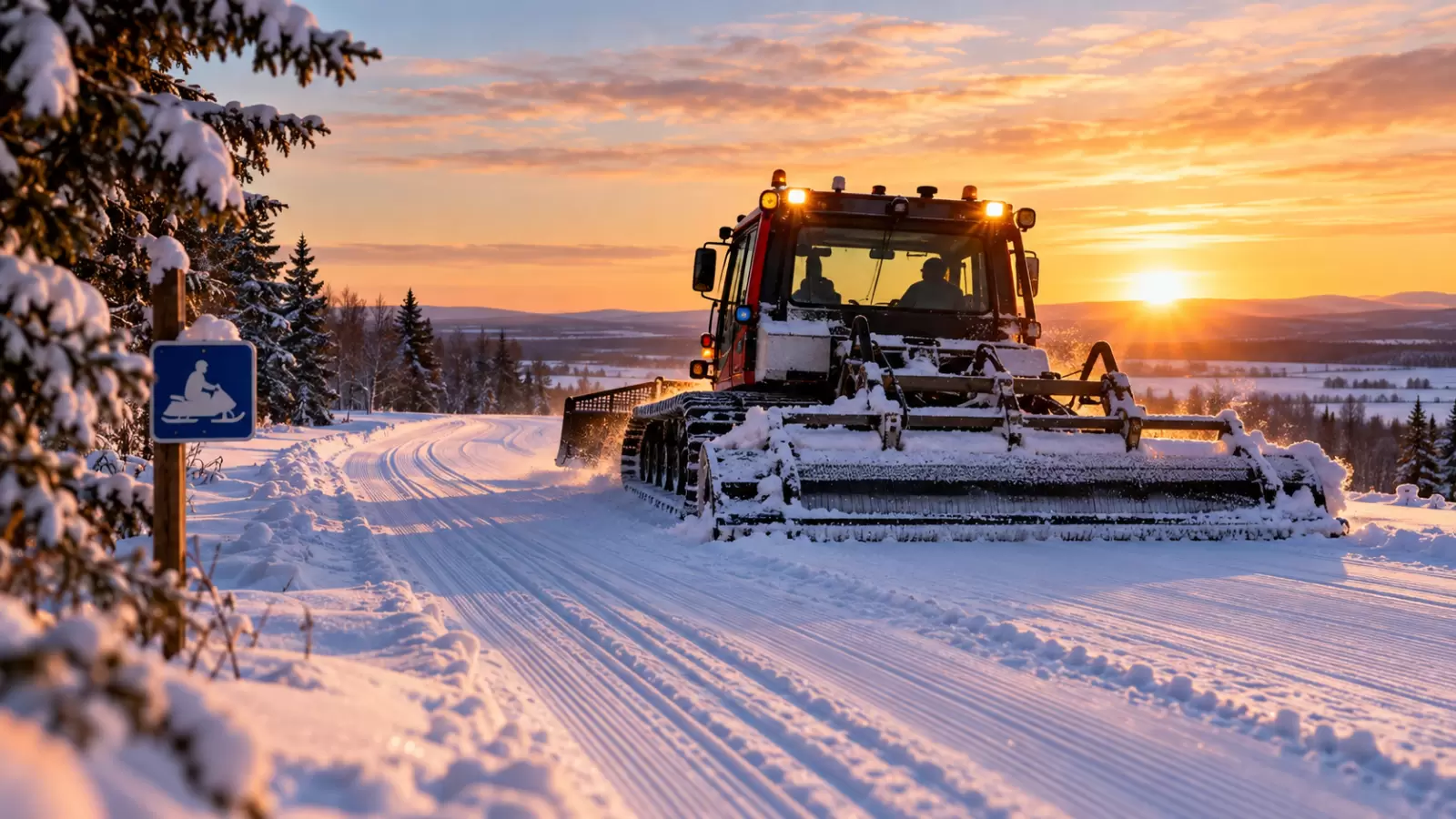

When the first snowflakes begin to fall, snowmobilers usually have one thing on their minds: the start of another riding season.
But long before the first sled can safely hit the trail, an enormous amount of work has already taken place behind the scenes.
Preparing snowmobile trails is about much more than waiting for a good snowfall and sending out the groomers. Equipment maintenance, drag inspections, trail signage, land-use agreements, trail construction, shelter maintenance and those crucial first grooming passes can begin weeks—or even months—before the official opening.
For the past few years, I have served as a director and groomer operator for Club ASAN, a snowmobile club located in the Montérégie region of southern Quebec, Canada.
Our club is known for maintaining quality trails despite operating in an area that generally receives less snowfall than many of Quebec’s northern snowmobiling regions.
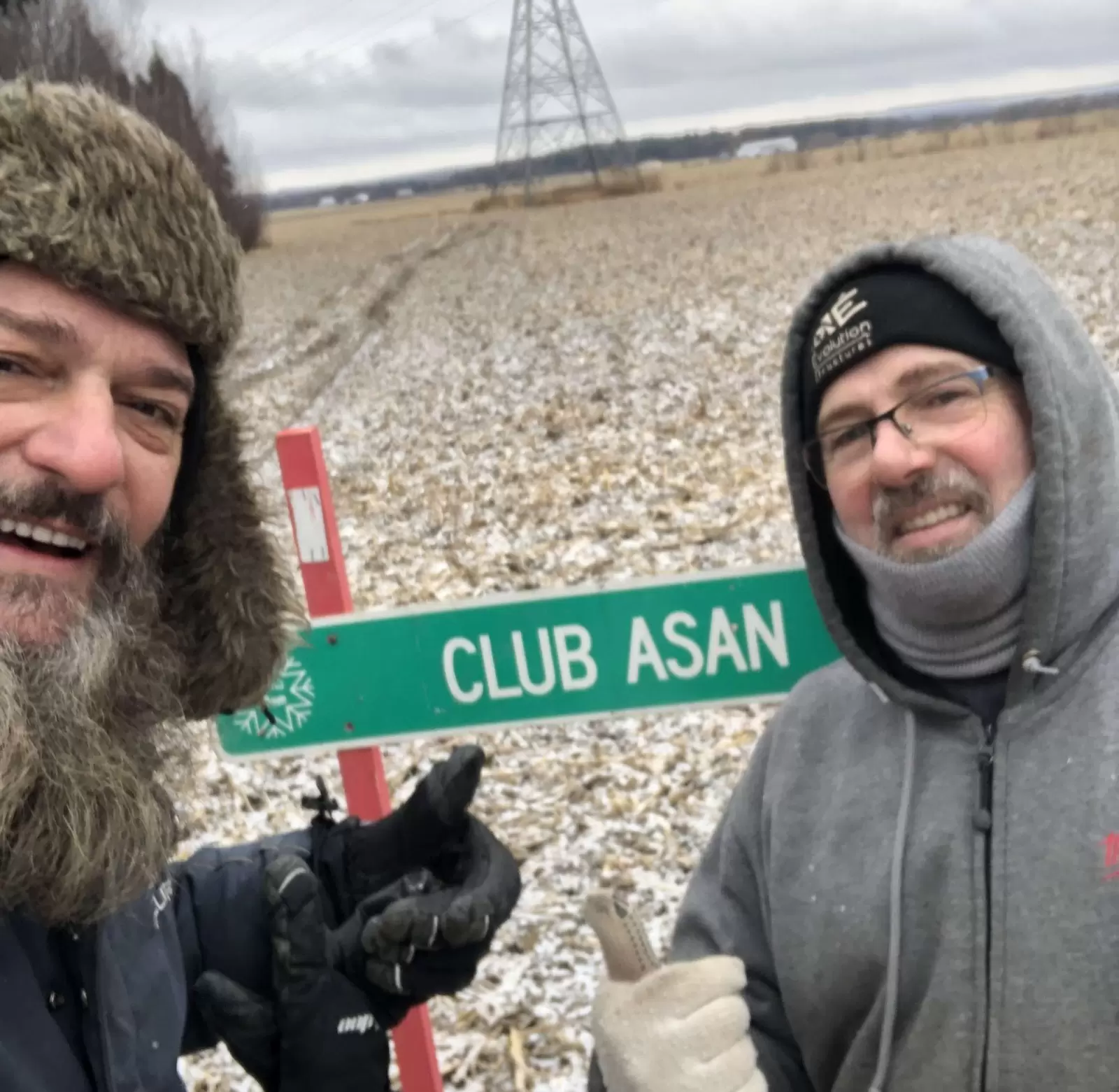
While some of the examples in this article come directly from our experience in southern Quebec, the challenges are familiar to snowmobile clubs throughout Canada and the northern United States.
Here is what really happens before riders get to enjoy those first miles of freshly groomed trail.
Snowmobile Trail Preparation Begins Long Before the First Snowfall
Before grooming can even begin, clubs need to make sure their equipment is ready for another demanding winter.
A groomer breakdown in the middle of the season can seriously affect trail conditions, particularly for smaller clubs or organizations operating with a limited fleet.
And in regions where winter riding seasons can be short, every day matters.
That is why preventive maintenance is one of the most important parts of preseason preparation.
Thorough Groomer Maintenance Before Winter
Before the season begins, club volunteers and equipment managers carefully inspect each grooming machine.
Typical maintenance includes:
- changing engine and hydraulic fluids according to manufacturer recommendations;
- greasing all required lubrication points;
- inspecting moving components;
- checking tracks and traction systems;
- inspecting electrical systems and lighting;
- completing a general mechanical inspection.
The objective is simple: reduce the chances of a breakdown when conditions finally become suitable for grooming.
A few hours spent on preventive maintenance in the fall can prevent days of downtime during the riding season.
Grooming Drag Inspection: Just as Important as the Groomer
The grooming drag is every bit as important as the machine pulling it.
It works especially hard early in the season when snow coverage is thin and the underlying terrain is still rough.
Before winter, we inspect several key components, including:
- bolts and fasteners;
- cutting blades and their adjustment;
- welds and structural integrity;
- hydraulic hoses and possible leaks;
- lighting systems.
Visibility is extremely important for groomer operators, especially during nighttime operations or while grooming during active snowfall.
A properly adjusted drag also helps operators make the most of limited snow and gradually build a strong, durable trail base.
Trail Signage: Safety Comes First
Preparing a trail network also means making sure there is an adequate supply of markers, warning signs and directional signage.
Each fall, our club reviews trail-signage practices with volunteers and makes sure everyone understands the standards established by the Fédération des clubs de motoneigistes du Québec (FCMQ), Quebec’s provincial snowmobile federation.
The FCMQ oversees and supports a vast network of snowmobile clubs and trails throughout Quebec.
Similar organizations, associations and state or provincial federations play comparable roles elsewhere in Canada and the United States.
Before trails can open, clubs must verify that their routes are properly marked and safe for riders.
Trail preparation includes making sure that:
- trails are wide enough for safe travel;
- corners are not unnecessarily sharp;
- potential hazards are clearly identified;
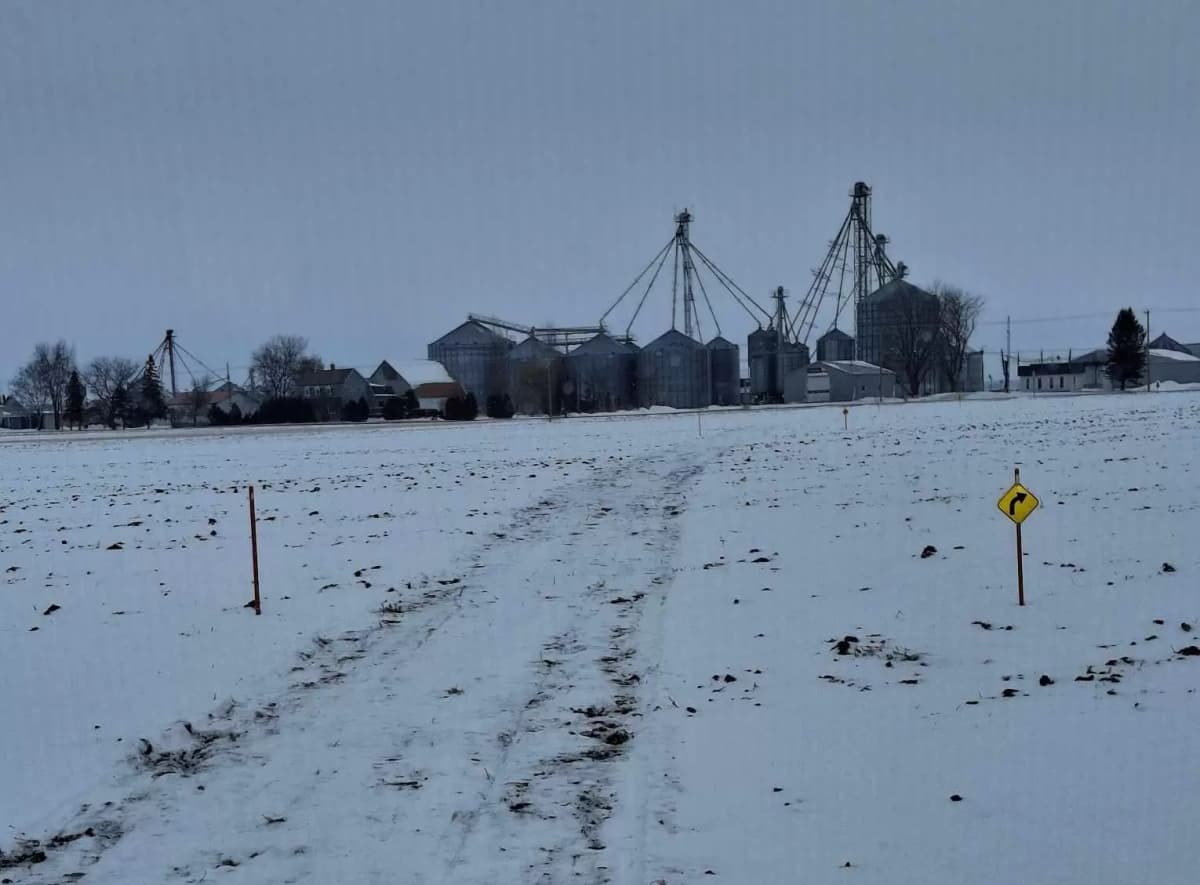
- intersections and road crossings are properly marked;
- trail markers keep riders within the authorized corridor.
Good signage is critical not only for snowmobilers, but also for groomer operators working long hours, often in darkness and challenging weather.
Working With the Terrain—and the Wind
In lower-snowfall regions such as southern Quebec, every bit of snow matters.
When planning or maintaining a trail route, we try whenever possible to take advantage of natural features such as:
- wooded areas;
- windbreaks and hedgerows;
- tall reeds;
- protected drainage areas and ditches.
Why?
Because these features can help trap and hold snow.
In our region, wind can actually become an ally.
Drifting snow can accumulate along the trail corridor and gradually increase snow depth after each grooming pass.
When snow is limited, successful trail preparation often means working with nature instead of fighting it.
That principle applies far beyond Quebec.
Across many agricultural and windswept snowmobile regions in North America, understanding wind direction, snow drifting and terrain can make the difference between a trail that opens early and one that remains unusable for weeks.
Land Access: One of the Biggest Challenges for Snowmobile Clubs
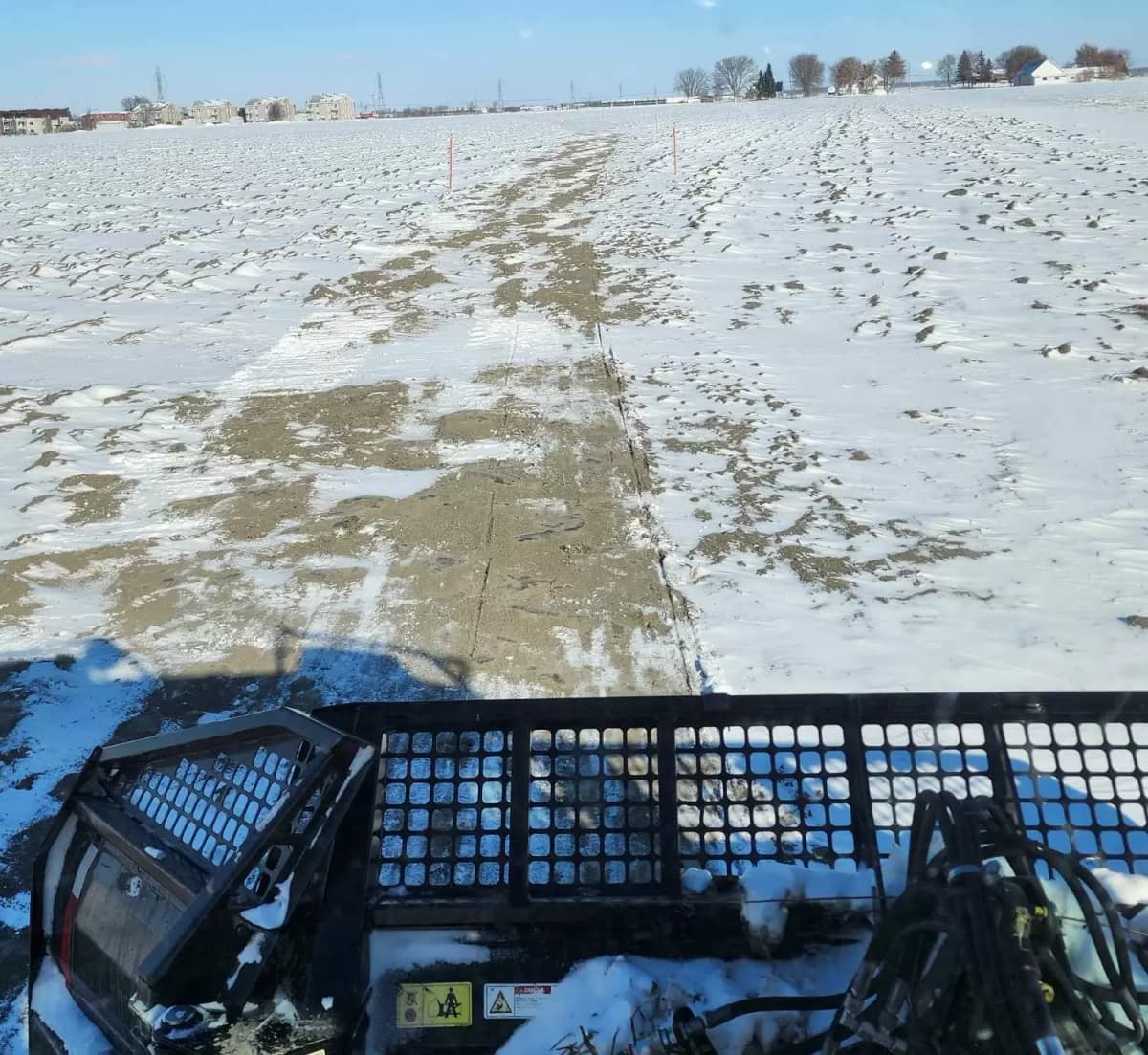
Our region is dominated by agricultural land.
As a result, a significant portion of our trail system depends on permission from private landowners.
These land-use agreements are absolutely essential.
Without them, many sections of trail simply could not exist.
Maintaining positive relationships with landowners is therefore one of the most important responsibilities of a snowmobile club.
This reality is certainly not unique to Quebec.
Across Canada and the United States, thousands of miles of snowmobile trails cross privately owned farmland, forests and other properties because landowners voluntarily grant access.
That privilege should never be taken for granted.
Fall Crops Add Another Challenge
In recent years, fall crops have become another important consideration.
Repeated traffic from snowmobiles and groomers can potentially damage crops that will continue growing the following spring.
Clubs therefore need to work closely with landowners to determine the best possible route, reduce potential damage and, when necessary, establish compensation agreements.
Sometimes a crop forces a club to relocate an entire section of trail.
That can involve a tremendous amount of work:
- negotiating new land-use agreements;
- rerouting the trail;
- clearing a new corridor;
- installing bridges or culverts;
- trimming trees and branches;
- relocating signs and markers;
- preparing the new terrain.
Moving even a short stretch of trail can represent dozens of volunteer hours.
Culverts Can Help Trails Open Earlier
At Club ASAN, we also use plastic culvert pipes in many drainage ditches.
This dramatically reduces the amount of snow needed to create a safe crossing.
Without a culvert, crews may need a significant amount of packed snow to fill a ditch enough for groomers and snowmobiles to cross safely.
By completing this work before winter, certain parts of the trail can become usable much sooner.
This type of infrastructure is especially valuable in agricultural regions and other low-snow areas throughout North America.
Preparing Trail Shelters Before Riders Arrive
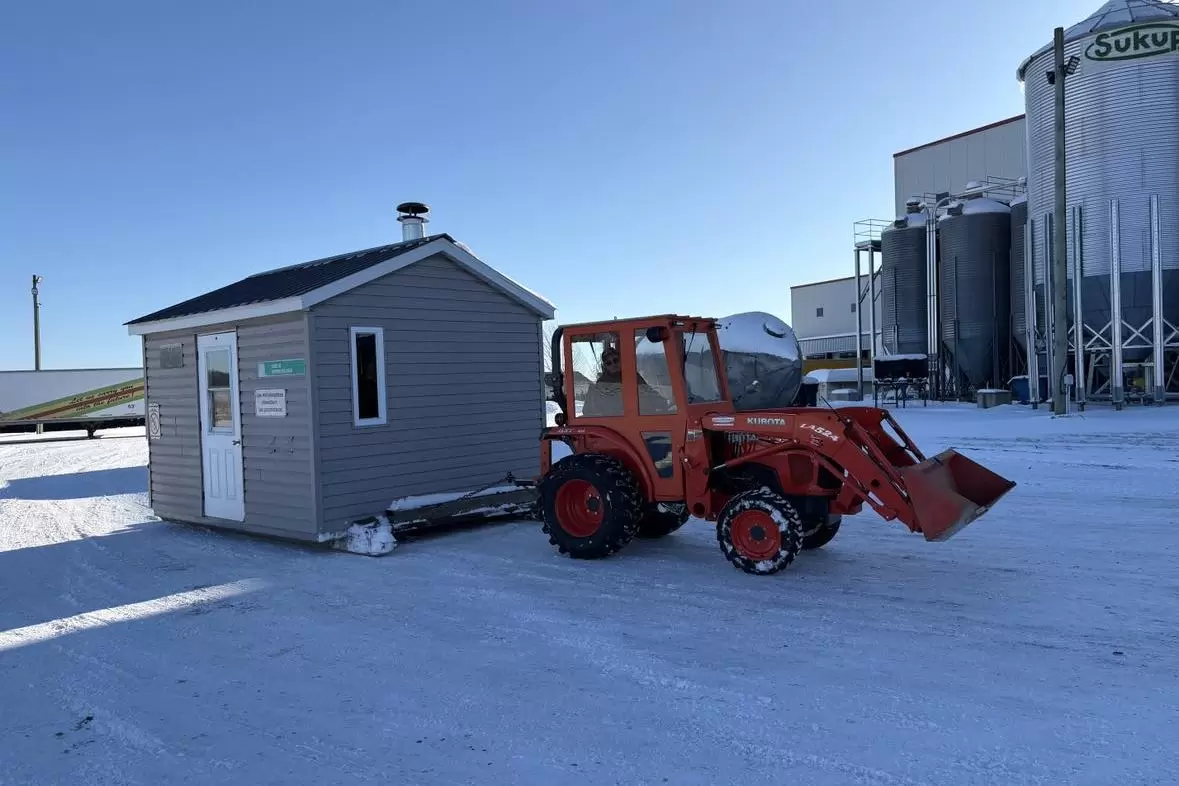
Our trail network also includes five warming shelters, two of which are portable.
The two portable shelters must be moved every spring so farmers can work their fields, then returned to their locations before each new snowmobile season.
Every fall, volunteers need to:
- reposition the shelters;
- clean the interiors;
- make necessary repairs;
- inspect their overall condition;
- stock firewood.
Once again, these are hours of work that most riders never see.
Yet these shelters can become extremely important during a long ride, a sudden weather change or an emergency.
Then, Finally, the Snow Arrives
After weeks or months of preparation, the moment everyone has been waiting for finally arrives: the first real snowfall of the season.
Ideally, every club would love to receive a solid 8 inches—or about 20 centimetres—of snow right away.
Unfortunately, winter rarely works that way.
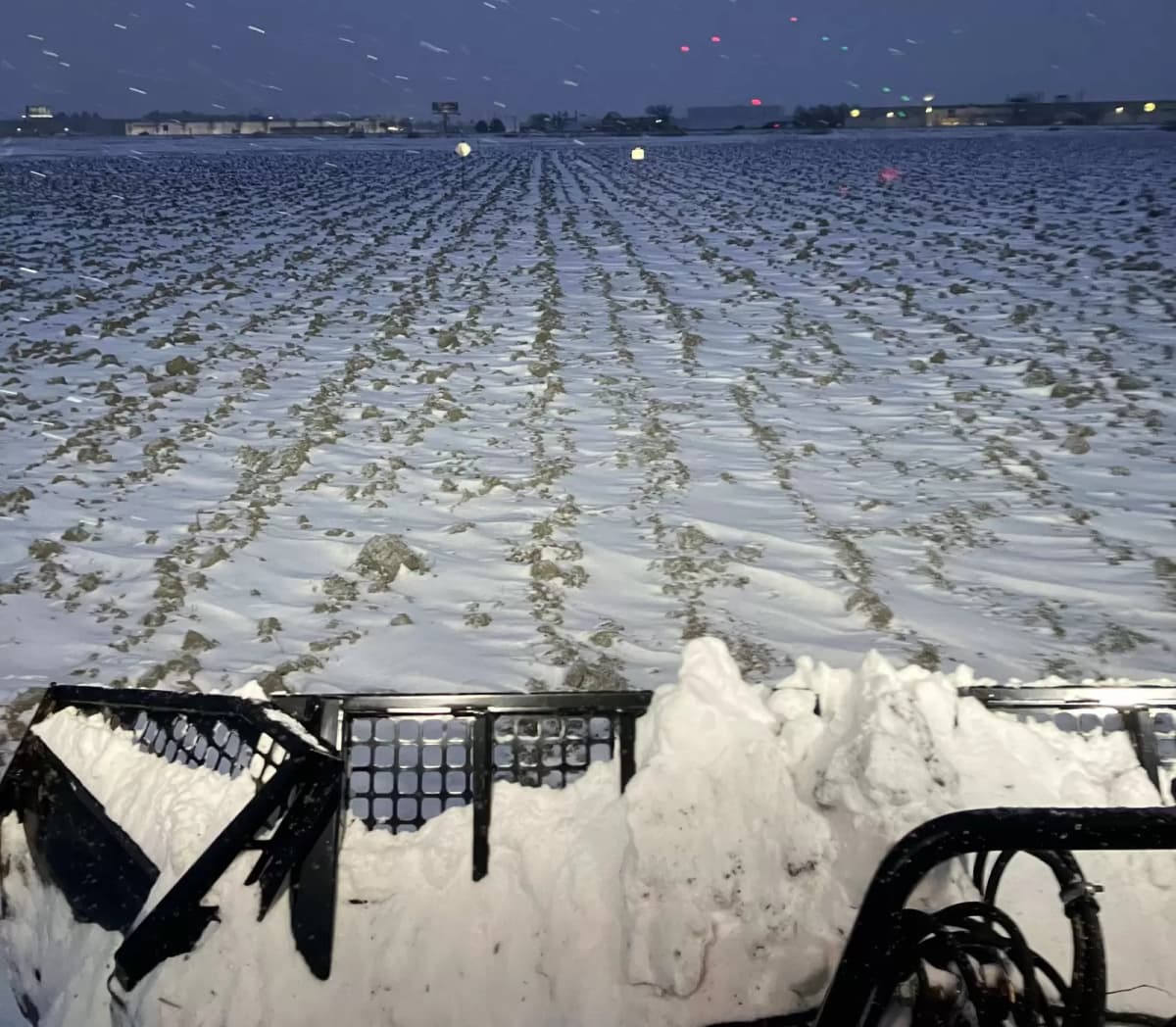
When only a thin layer of snow covers plowed fields, groomer operators may already begin the slow process of building the trail base.
And believe me, those first passes are anything but easy.
The First Grooming Passes Require Patience
Our club maintains approximately 270 kilometres, or about 168 miles, of trail with four groomers.
That means each machine may be responsible for close to 70 kilometres—roughly 43 miles—of trail, not including the return trip.
Early in the season, when fields are rough and uneven, a groomer may sometimes travel at only 2 to 3 km/h, or roughly 1 to 2 mph.
Now imagine travelling 43 miles at that speed—and then turning around and coming back.
It takes time.
A lot of time.
But those first passes are critical.
The goal is to:
- level plowed ridges and uneven terrain;
- create a more uniform trail surface;
- build small snowbanks along the edges;
- compact the available snow;
- prevent loose snow from blowing away;
- create a base that can better survive future thaws.
Every pass improves the trail.
By the third grooming cycle, even with only a few small additional snowfalls, the difference can be dramatic.
The trail finally begins to resemble what riders have been eagerly waiting for.
Opening Early Should Never Come at the Expense of Safety
Because of all the work completed before and during the first snowfalls, our club is often able to open trails relatively early for our region.
But an early opening does not mean conditions are perfect.
Early-season riding always requires extra caution.
Rocks, drainage ditches, branches, frozen ruts and other obstacles may still be hidden beneath a very thin layer of snow.
Riders should always respect official trail-status updates and wait until their local club confirms that a trail is open.
This advice applies everywhere.
Whether you ride in Quebec, Ontario, Minnesota, Michigan, Maine, Wisconsin, New York or any other snowmobile region, local clubs understand their trail conditions better than anyone else.
Behind Every Trail Is a Team of Volunteers
Every winter is different.
The challenges faced by a club in southern Quebec may be very different from those faced by a club in northern Ontario, the Rocky Mountains, New England or the Upper Midwest.
But one reality remains remarkably consistent across North America:
snowmobile trail systems depend heavily on volunteers.
Installing trail signs, negotiating land access, maintaining bridges, clearing brush, servicing equipment, grooming trails and preparing shelters all require people willing to donate their time and expertise.
In Quebec, the FCMQ recognizes volunteers as an essential part of the province’s snowmobile trail network.
The same is true for countless clubs and associations across Canada and the United States.
Many volunteers dedicate hundreds of hours each winter to their local club.
Some also use their own vehicles, tools and fuel while completing the many tasks required to keep a trail system operating.
So the next time you ride over a freshly groomed trail, take a moment to think about the many hours of work that happened before you arrived.
And if you have a little time to spare, consider volunteering with your local snowmobile club.
You will meet other riders, contribute directly to the future of the sport and discover a side of snowmobiling that many people never get to experience.
Trails do not prepare themselves. Behind every mile of groomed snow is a group of passionate people who started working long before the first rider turned the key.
TEXT: Daniel Desmarais
Keep Reading
Jean-Claude Canuel – Still Grooming Snowmobile Trails at 86
Meet one of the dedicated volunteers working behind the scenes to keep snowmobile trails groomed and ready for riders. A great look at the passion and commitment required to maintain a trail network.
Volunteers Maintain Minnesota’s Vast Network of Snowmobile Trails
Trail preparation and maintenance are not unique to Quebec. This article shows how volunteers in Minnesota build, groom and maintain an extensive trail network throughout the season.
Snowmobile Trails Signage – The Importance of Volunteers
Proper signage is a major part of preparing a safe snowmobile trail system. Discover the amount of planning, installation and volunteer work required before riders ever hit the trails.
Early Trail Closures: Clubs Are Doing Their Job
Trail clubs are responsible not only for opening and maintaining trails, but also for determining when conditions are no longer safe. This article explains why respecting trail closures helps protect riders, landowners and future trail access.